Ankylosing Spondylitis
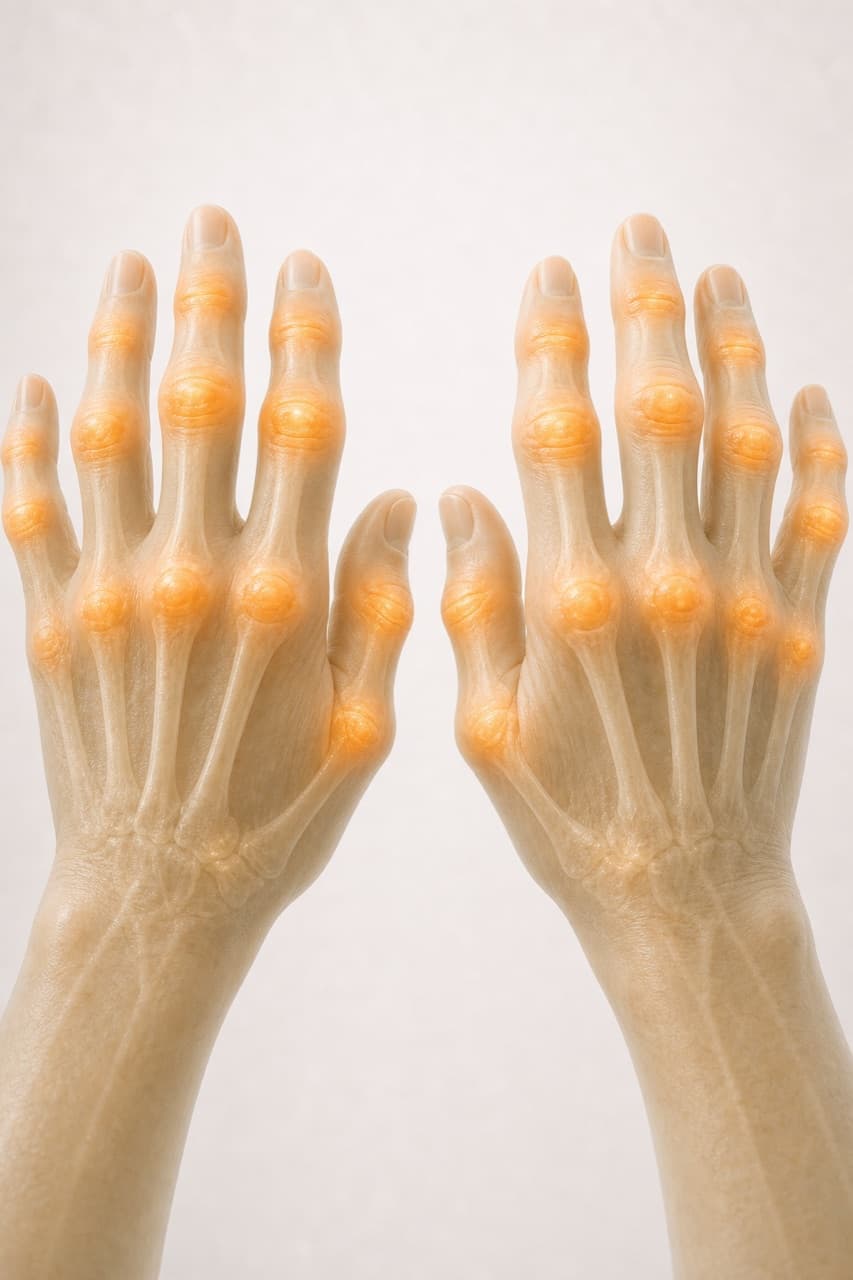
Ankylosing spondylitis is a form of inflammatory arthritis mainly affecting the spine, causing back pain and stiffness. Regular exercise and mobility work are the cornerstone of keeping the spine flexible.
What is ankylosing spondylitis?
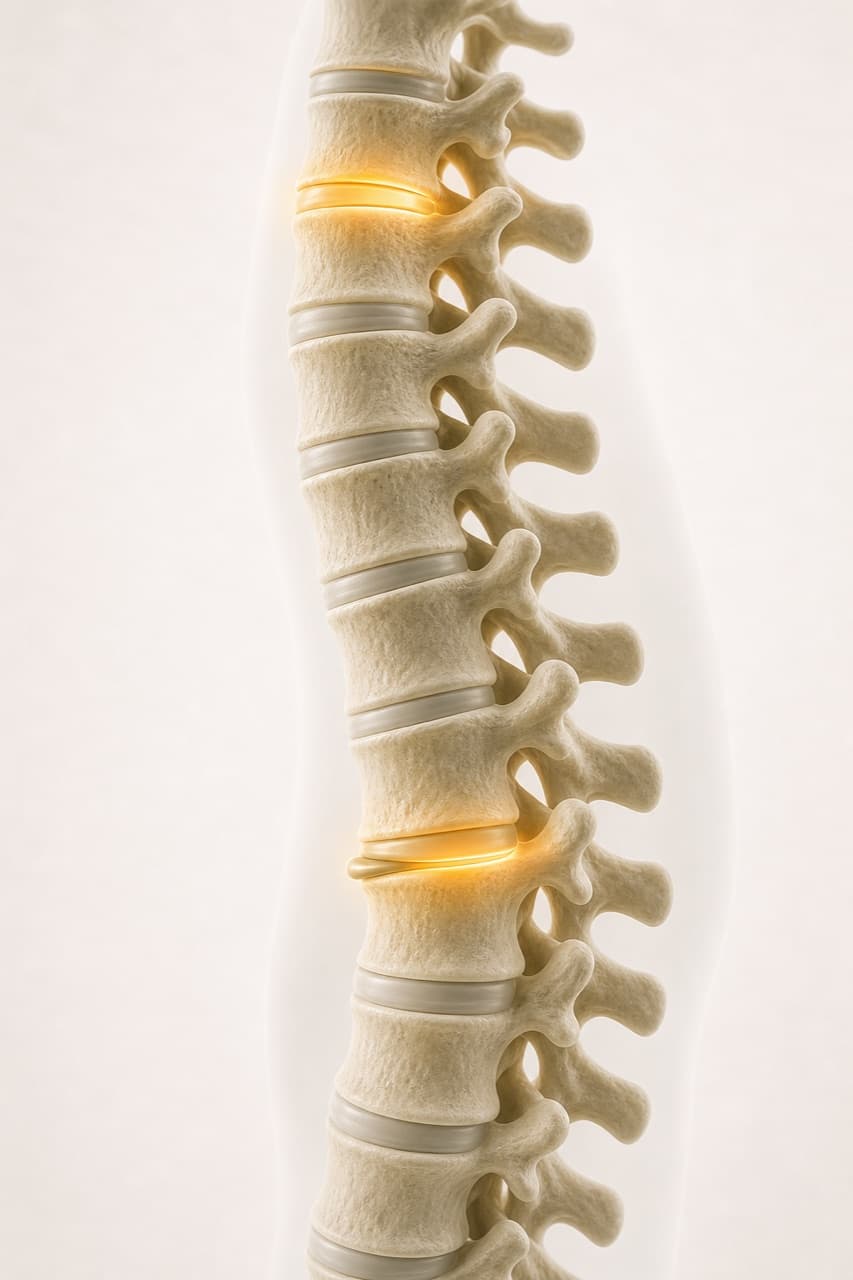
Ankylosing spondylitis (AS) is a type of inflammatory arthritis, part of a group called axial spondyloarthritis, that mainly affects the spine and the joints where the pelvis meets the spine. It causes inflammation that leads to back pain and stiffness, often beginning in early adulthood.
Over time, ongoing inflammation can reduce spinal flexibility, but staying active makes a real difference. Maintaining good posture and mobility through regular exercise is central to managing the condition and protecting long-term movement.
ASAS and EULAR identify regular exercise and physiotherapy as cornerstone, non-drug care for ankylosing spondylitis.
Signs and symptoms
Symptoms usually develop gradually and can vary in intensity.
- Back and buttock pain that improves with movement
- Stiffness that is worse in the morning or after rest
- Pain that may wake you in the second half of the night
- Reduced spinal flexibility and changes in posture
- Fatigue and general tiredness
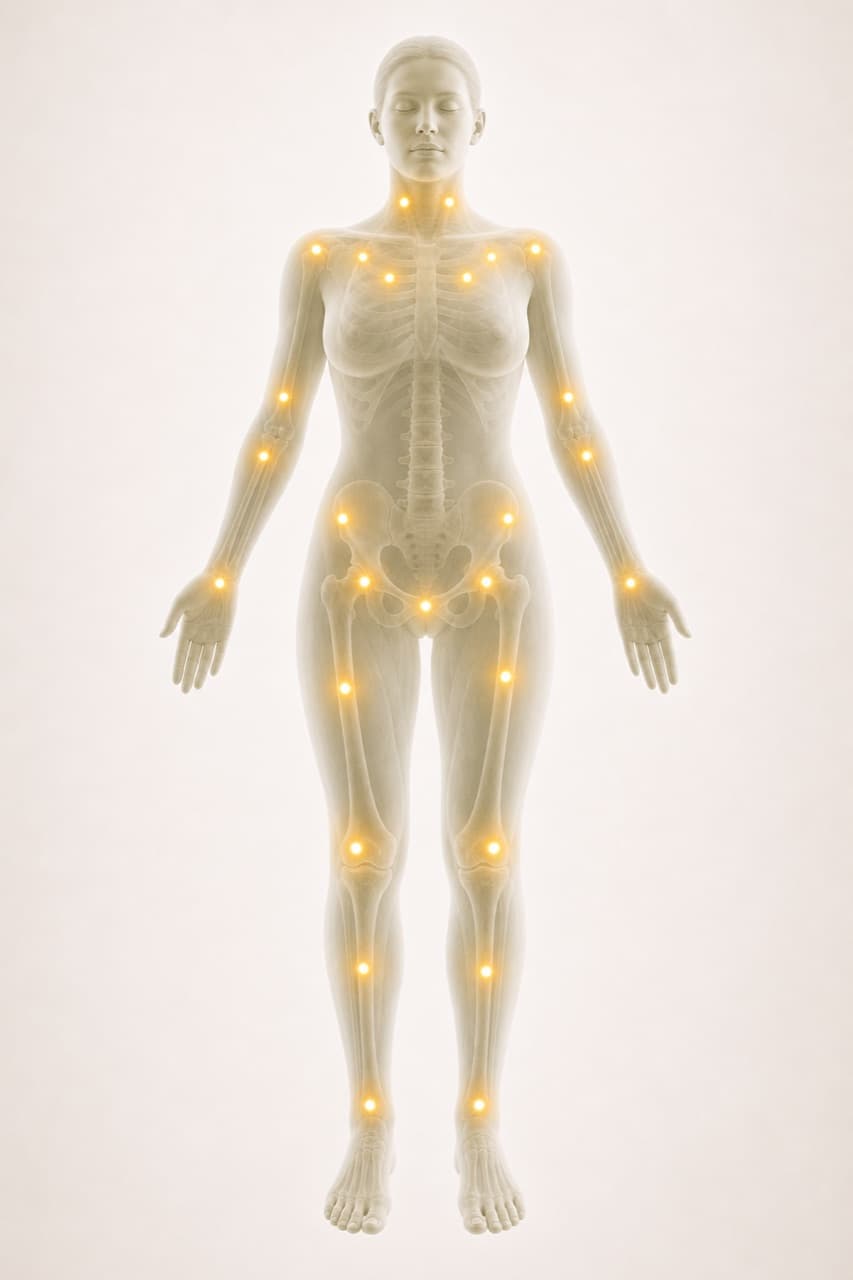
- Sometimes pain in the hips, shoulders, or other joints
How physiotherapy helps
Exercise and physiotherapy are the cornerstone of non-drug care for AS. ASAS (the Assessment of SpondyloArthritis international Society), EULAR, and World Physiotherapy recommend regular exercise focused on mobility, posture, stretching, and strengthening to keep the spine and chest flexible.
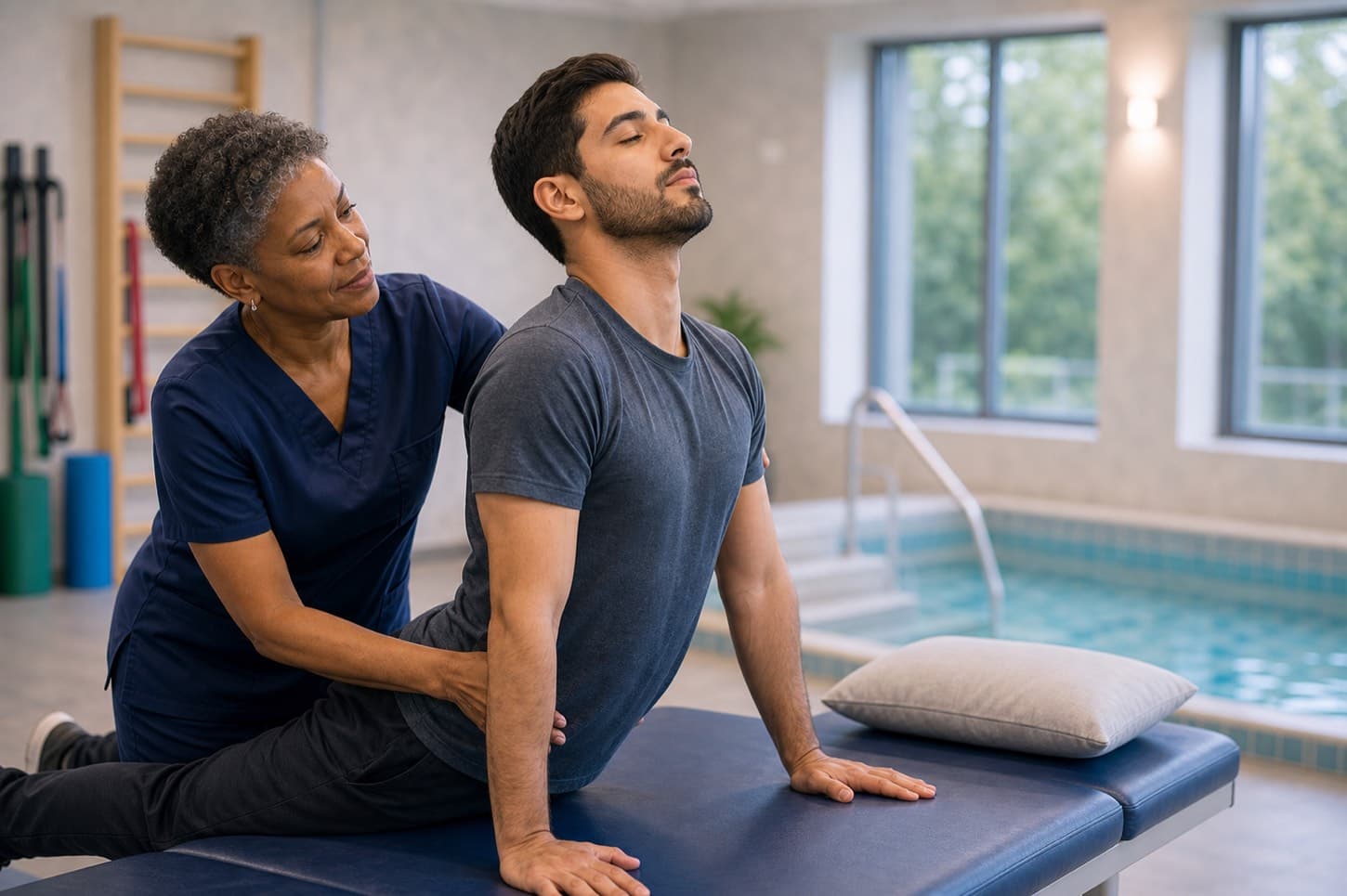
A physiotherapist designs a programme of spinal mobility, posture correction, and breathing exercises, and encourages daily activity. Consistent exercise can reduce pain and stiffness and help maintain function, working alongside any medication prescribed by your rheumatology team.
The IMT thermal approach
Warm-water exercise and spa therapy have well-recognised supporting evidence in ankylosing spondylitis. The warmth eases stiffness and pain, while buoyancy makes stretching and mobility work more comfortable, allowing fuller movement of the spine and chest.
At IMT, our multidisciplinary team combines balneotherapy in the natural thermal pools with structured mobility, posture, and strengthening exercise. An on-site thermal stay and supervised drinking cure provide an ideal setting to establish the daily exercise habit that AS care depends on.
Mobility first
Warm thermal water relaxes a stiff spine, helping you stretch further and build the consistent mobility routine that keeps AS in check.
What to expect
Your programme starts with a full assessment of your spinal mobility, posture, and symptoms. Our team then builds an individualised plan centred on mobility and posture work, combining thermal-pool and land-based exercise during a comfortable stay at our on-site thermal hotel and coordinated with your medical care.
- Assessment of spinal mobility, posture, and chest expansion
- Warm thermal-water exercise to ease stiffness
- Daily mobility, stretching, and posture routines
- Strengthening and breathing exercises
- A sustainable home exercise programme to continue long term
When to seek care
If you have back pain and stiffness that lasts more than three months, started before age 45, improves with exercise but not rest, and is worse at night, see a healthcare professional, as early diagnosis of axial spondyloarthritis helps guide care. Contact your rheumatology team if symptoms flare significantly or new joint or eye symptoms develop.
Sources
- ASAS-EULAR recommendations for the management of axial spondyloarthritis
- World Physiotherapy
- Mayo Clinic
- Cochrane Reviews on physiotherapy and balneotherapy for ankylosing spondylitis
This information is educational and is not a substitute for professional medical advice, diagnosis, or treatment. Always consult a qualified healthcare provider about your individual condition.