Rheumatoid Arthritis
Rheumatoid arthritis is an autoimmune condition causing joint inflammation, pain, and stiffness. Alongside medical treatment, exercise and physiotherapy help protect function and ease symptoms.

What is rheumatoid arthritis?
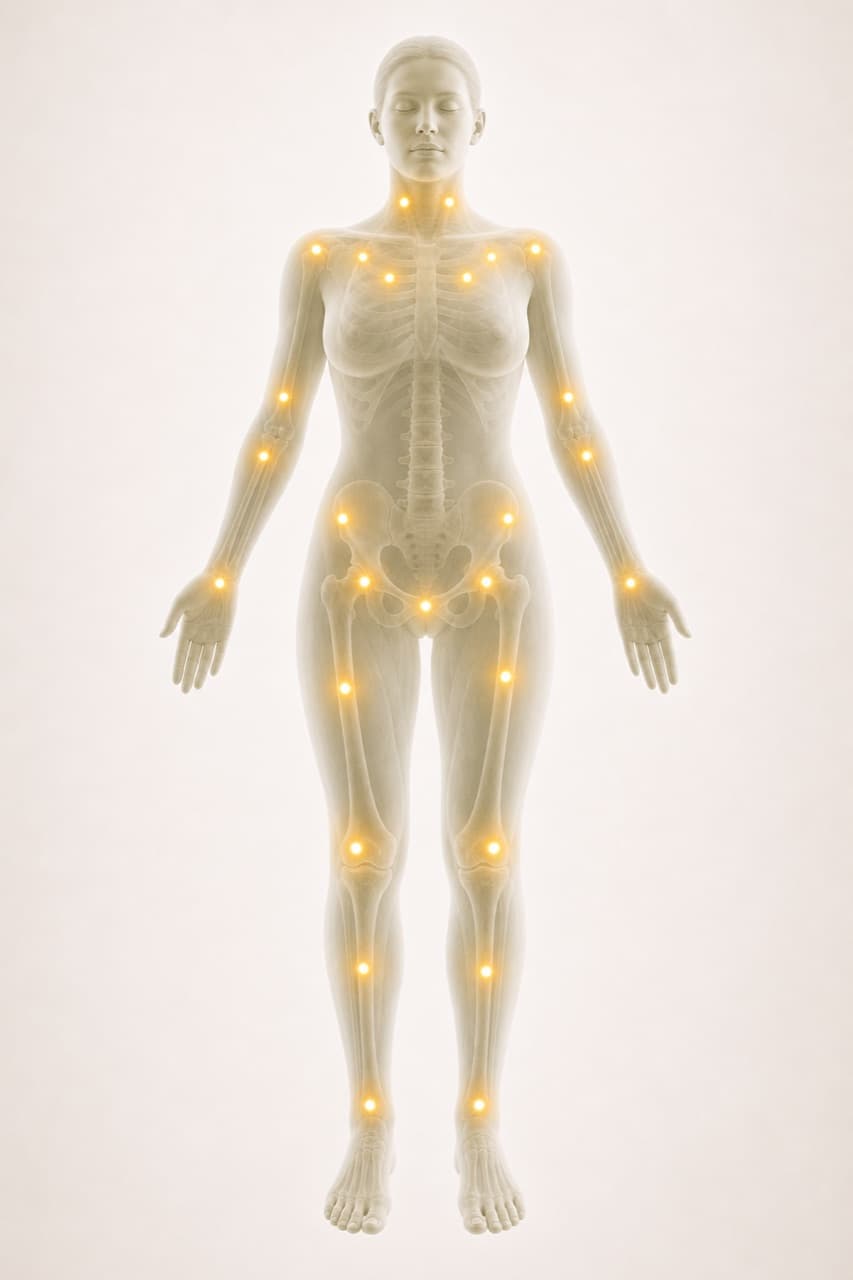
Rheumatoid arthritis (RA) is a long-term autoimmune condition in which the immune system mistakenly attacks the lining of the joints. This causes inflammation, pain, swelling, and stiffness, often affecting joints on both sides of the body, such as the hands, wrists, and feet.
RA can also affect general well-being, causing fatigue and, in some people, involvement beyond the joints. Modern medical treatment aims to control inflammation early, and combining it with exercise and rehabilitation helps protect joint function over time.
NICE and EULAR recommend regular exercise and physiotherapy as part of comprehensive rheumatoid arthritis care.
Signs and symptoms
Symptoms often develop gradually and may come and go in flares.
- Pain, swelling, and warmth in the joints
- Joint stiffness that is often worse in the morning
- Symmetrical involvement of small joints such as hands and feet
- Fatigue and a general feeling of being unwell
- Reduced grip strength and difficulty with fine tasks
- Over time, reduced joint mobility if inflammation is uncontrolled
How physiotherapy helps
Physiotherapy complements the medical management of RA. NICE guidance on rheumatoid arthritis (NG100), EULAR, and World Physiotherapy recommend regular exercise to maintain joint mobility, muscle strength, and overall fitness, alongside disease-modifying medication prescribed by your rheumatology team.
A physiotherapist provides tailored exercises, joint-protection advice, and strategies to manage pain and fatigue. Staying active in a structured, well-paced way helps preserve function and independence without aggravating inflamed joints.
The IMT thermal approach
Warm thermal water offers a particularly gentle environment for people with RA. Hydrotherapy and balneotherapy have evidence for relieving pain and stiffness, and buoyancy reduces stress on sore joints so you can move and strengthen with greater comfort.
At IMT, our multidisciplinary team coordinates thermal-pool sessions, individualised exercise, and education within your overall care plan. The on-site thermal stay and supervised drinking cure provide a calm, supportive setting that complements your prescribed medical treatment.
Gentle on joints
Exercising in warm thermal water unloads inflamed joints, easing pain and stiffness while you maintain strength and mobility.
What to expect
We begin with a detailed assessment of your joints, function, and current treatment. Our team then creates an individualised plan that blends warm-water and land-based exercise with joint-protection education, delivered during a restful stay at our on-site thermal hotel and coordinated with your rheumatology care.
- Assessment of joint health, mobility, and daily function
- Warm thermal-water hydrotherapy to ease pain and stiffness
- Individualised strengthening and range-of-motion exercise
- Joint-protection, pacing, and fatigue-management advice
- A home programme to maintain progress
When to seek care
If you have persistent joint pain, swelling, and stiffness, especially in the morning and affecting both sides of the body, see a healthcare professional promptly, as early treatment improves long-term outcomes in RA. Contact your rheumatology team during a severe flare or if you develop fever, new swelling, or symptoms beyond the joints.
Sources
- NICE Guideline NG100: Rheumatoid arthritis in adults
- EULAR recommendations for the management of rheumatoid arthritis
- World Physiotherapy
- Mayo Clinic
This information is educational and is not a substitute for professional medical advice, diagnosis, or treatment. Always consult a qualified healthcare provider about your individual condition.