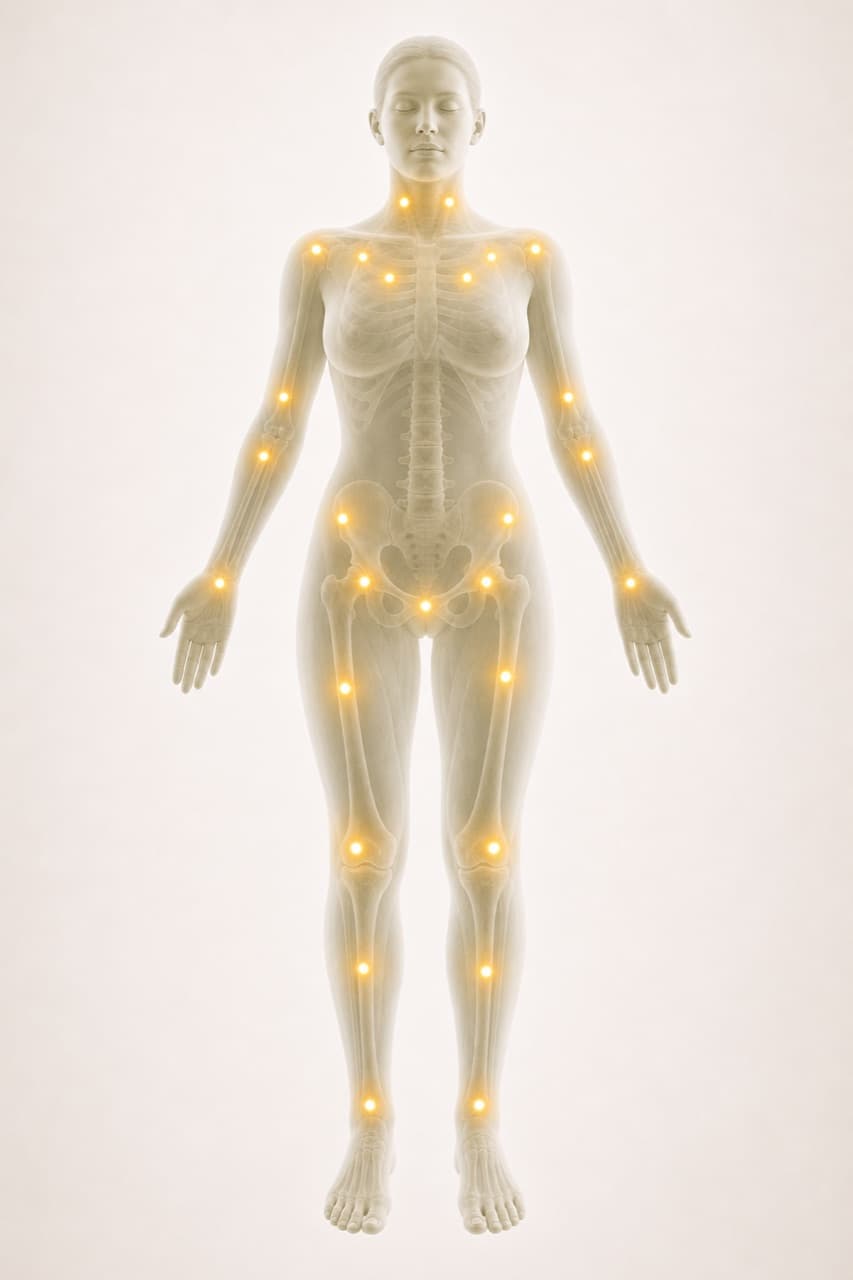
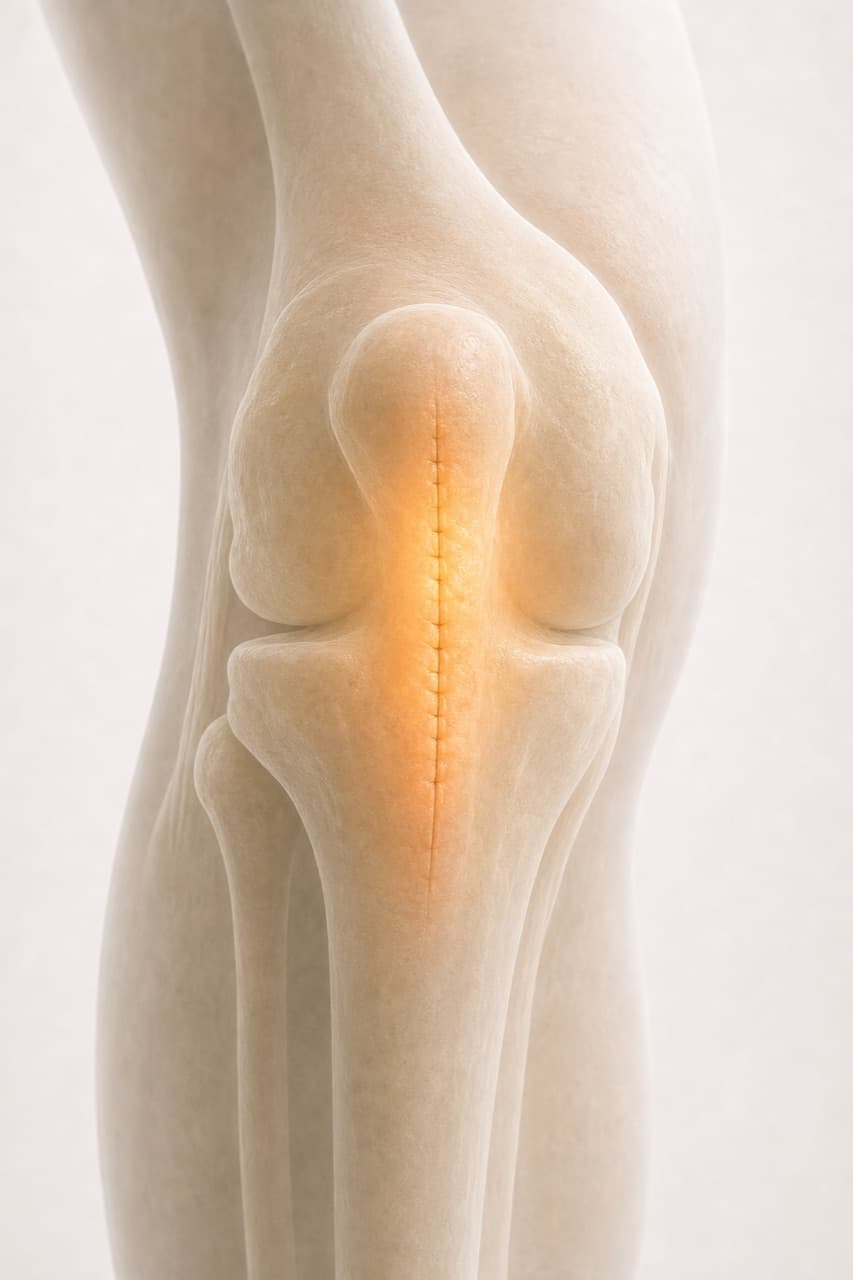
Back & Neck Pain and Herniated Disc
Back and neck pain, including a herniated (slipped) disc, are among the most common reasons people seek care. Most cases improve with staying active, guided exercise, and conservative rehabilitation rather than surgery.
What is back and neck pain and a herniated disc?
Back and neck pain refers to discomfort anywhere along the spine, from the neck (cervical) to the lower back (lumbar). It may be a dull ache, stiffness, or a sharp sensation, and is often linked to muscles, joints, ligaments, or the spinal discs that cushion each vertebra.
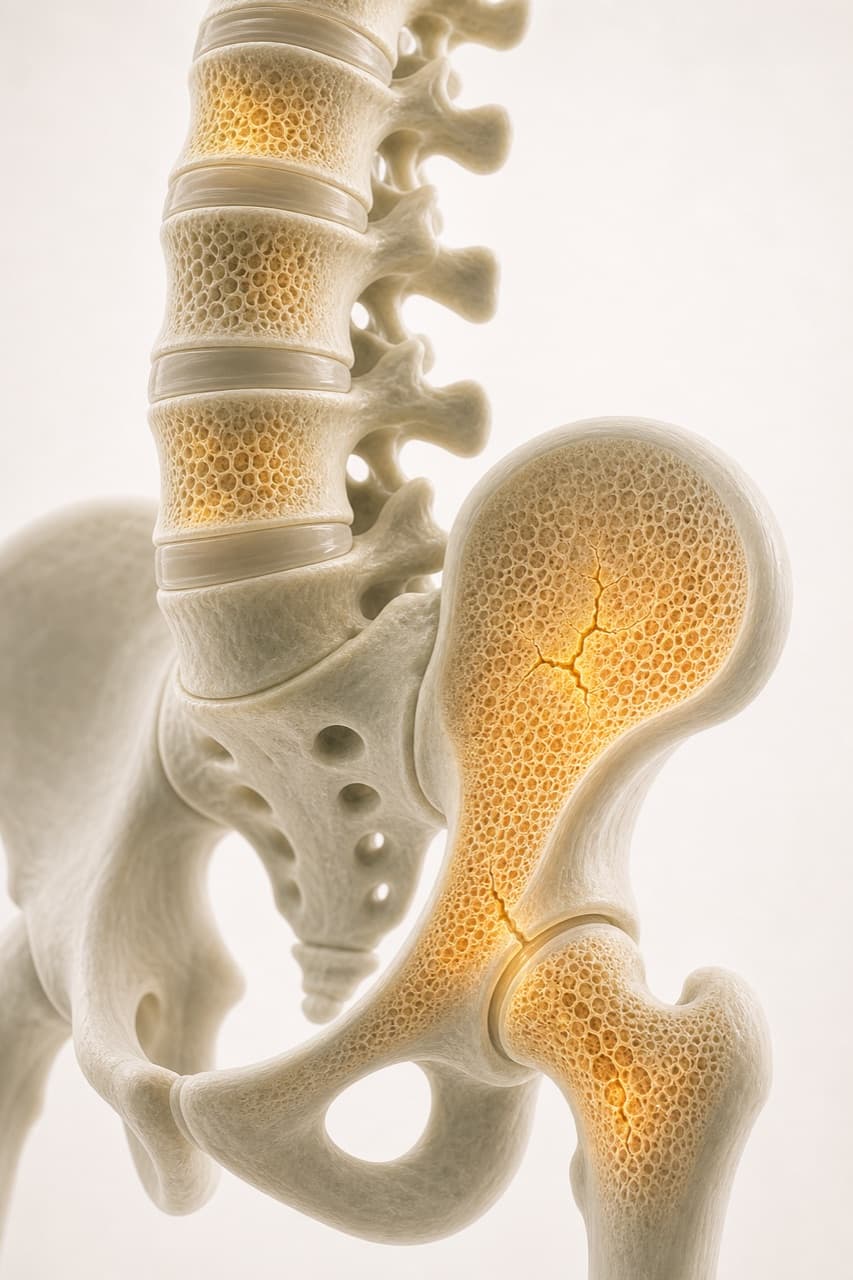
A herniated disc, sometimes called a slipped or prolapsed disc, occurs when the soft inner part of a disc pushes through its outer layer. This can irritate a nearby nerve and cause pain that radiates into an arm or leg, such as sciatica. Many herniated discs improve on their own as the body gradually reabsorbs the displaced tissue.
International guidelines recommend staying active and exercise therapy as first-line care for most back and neck pain.
Signs and symptoms
Symptoms vary with the location and whether a nerve is involved.
- Localised pain or stiffness in the neck or lower back
- Pain that radiates into an arm, buttock, or leg
- Tingling, numbness, or pins and needles in a limb
- Muscle weakness in the affected arm or leg
- Pain that worsens with certain movements, sitting, or coughing
- Reduced range of motion and difficulty with daily tasks
How physiotherapy helps
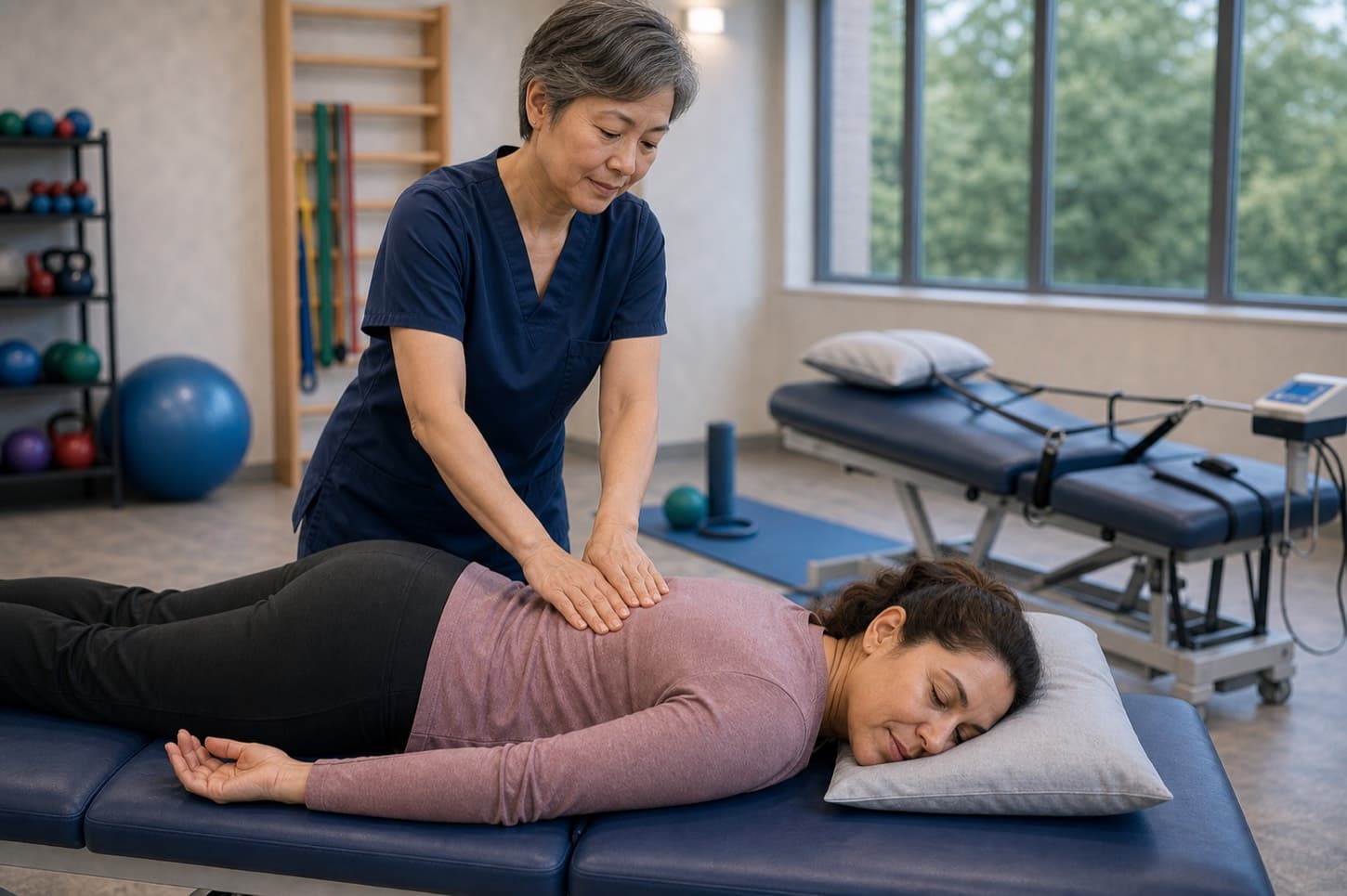
Physiotherapy is a cornerstone of conservative care. NICE guidance on low back pain and sciatica (NG59) and World Physiotherapy emphasise staying active, reassurance, and structured exercise therapy rather than rest. A physiotherapist tailors movement, strengthening, and mobility work to your specific pattern of pain.
Treatment may include graded exercise, posture and movement education, manual therapy, and self-management strategies. The goal is to reduce pain, restore function, and lower the chance of recurrence, helping most people avoid surgery.
The IMT thermal approach
At IMT, exercise therapy is supported by our natural thermal mineral waters. Warm-water exercise and balneotherapy have supporting evidence in chronic low back pain: the warmth relaxes muscles, eases joint stiffness, and reduces the load on the spine so you can move more comfortably while you rebuild strength.
Our multidisciplinary team, physiotherapists, doctors, and rehabilitation specialists, combines hydrotherapy in the thermal pools with land-based exercise and education. A supervised drinking cure and restful on-site stay round out a programme focused on whole-body recovery.
Why warm water
Buoyancy in the thermal pool reduces pressure on the spine, letting you exercise with less pain and greater confidence than on land.
What to expect
Your programme begins with a thorough assessment of your history, movement, and symptoms. From this our team builds an individualized plan that progresses from pain relief toward strength and lasting mobility, delivered during a comfortable stay at our on-site thermal hotel.
- Detailed physiotherapy and medical assessment
- Warm-water hydrotherapy sessions in the thermal pools
- Individualised land-based exercise and core strengthening
- Posture, movement, and self-management education
- Guidance for continuing your programme at home
When to seek care
Most back and neck pain is not dangerous, but you should see a healthcare professional promptly if you have progressive leg or arm weakness, severe or worsening pain, or numbness. Seek urgent medical attention for loss of bladder or bowel control, numbness around the groin, or pain following a serious injury, as these may signal a condition needing immediate care.
Sources
- NICE Guideline NG59: Low back pain and sciatica in over 16s
- World Physiotherapy
- Mayo Clinic
- Cochrane Reviews on exercise and balneotherapy for low back pain
This information is educational and is not a substitute for professional medical advice, diagnosis, or treatment. Always consult a qualified healthcare provider about your individual condition.