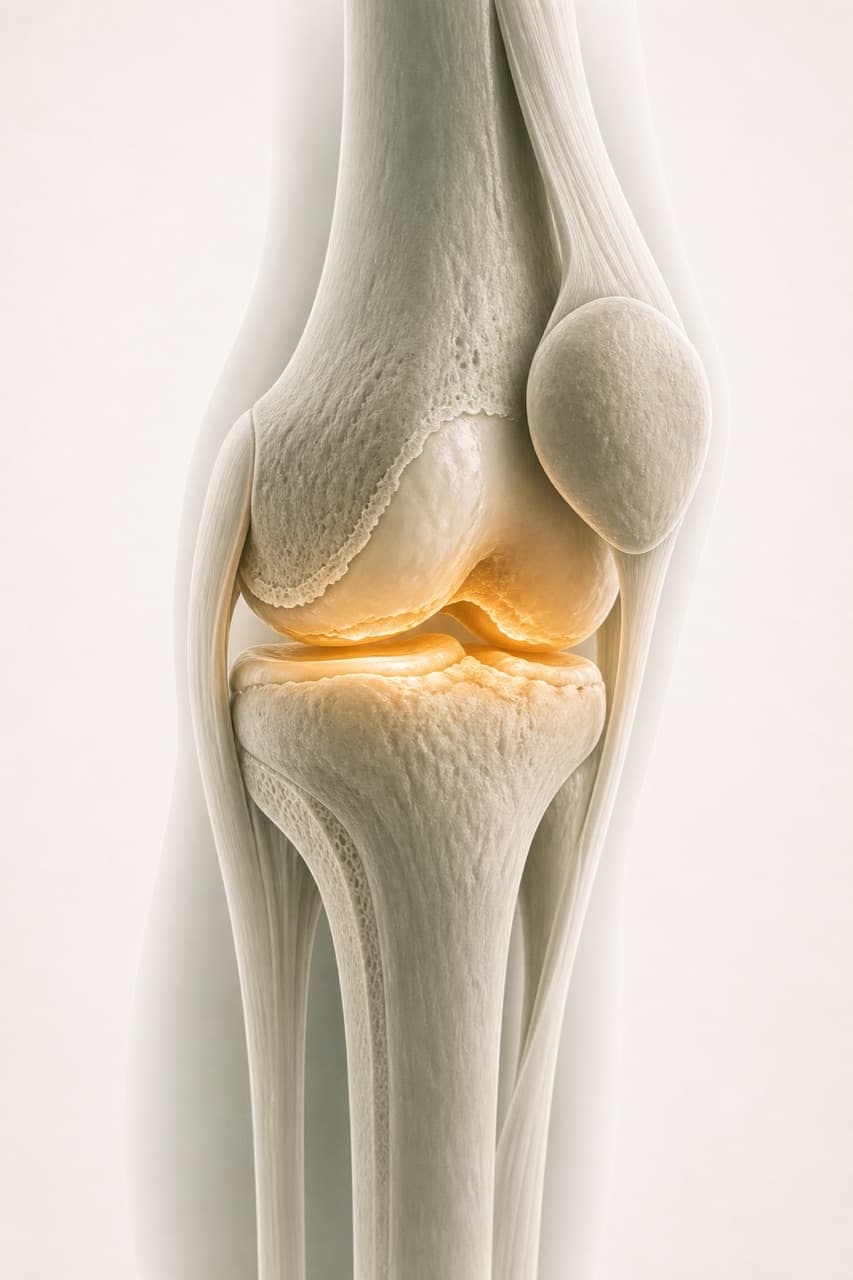
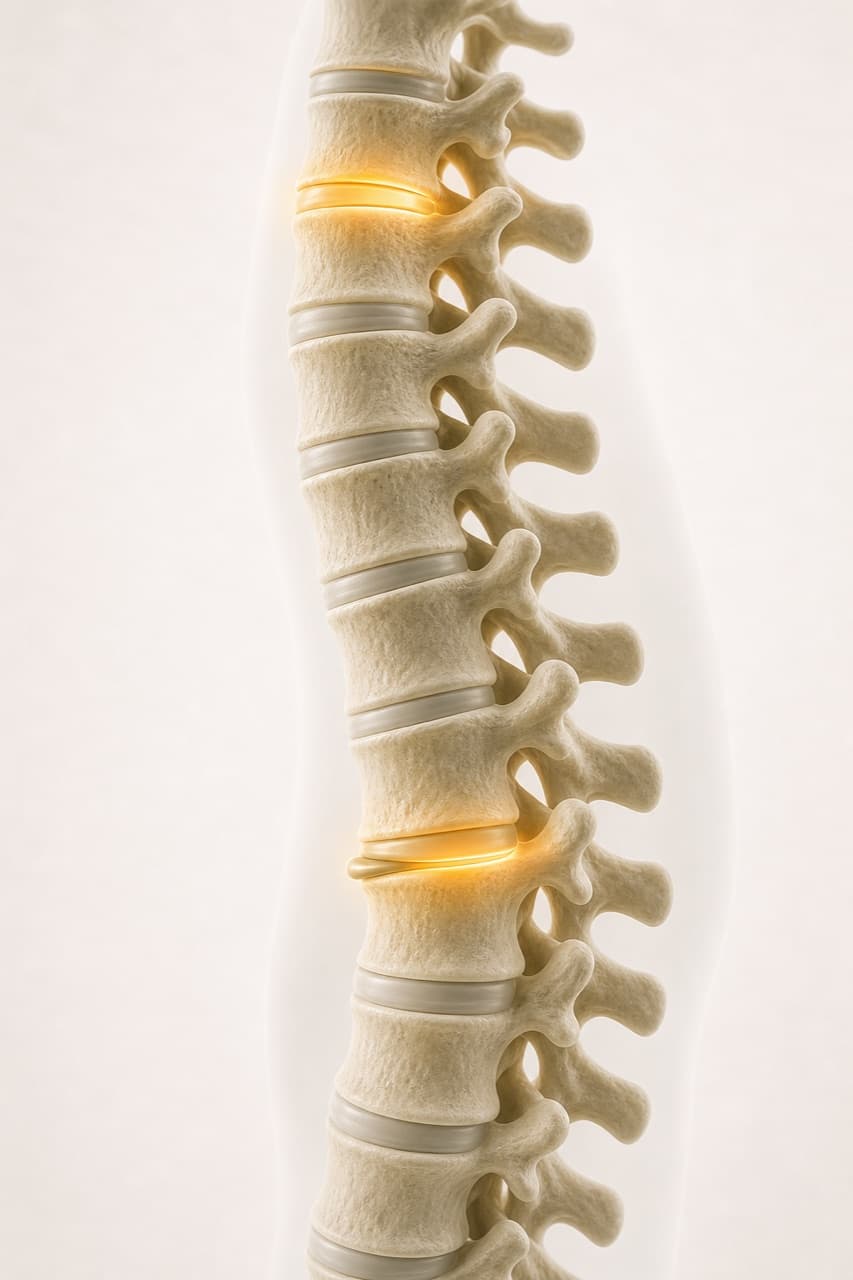
Osteoporosis
Osteoporosis weakens bones and increases fracture risk. Weight-bearing and resistance exercise plus balance and fall-prevention training are central, with warm-water therapy as a gentle supportive adjunct.
What is osteoporosis?
Osteoporosis is a condition in which bones lose density and strength, becoming more fragile and prone to fracture. It often develops silently over years, and many people only discover it after a fracture occurs following a minor fall or bump.
Bone is living tissue that constantly renews itself. With osteoporosis this balance shifts so that bone is lost faster than it is replaced. Risk rises with age and is higher after menopause, with family history, low body weight, smoking, certain medications and inactivity all playing a part.
For osteoporosis, weight-bearing and resistance exercise and fall prevention are the foundation of care.
Signs and symptoms
Osteoporosis itself is often painless until a fracture occurs, but some signs may suggest declining bone health.
- Fractures from minor falls or knocks (fragility fractures)
- Loss of height over time
- A stooped or rounded posture
- Back pain, which may follow a spinal compression fracture
- Reduced grip strength or balance confidence
- Diagnosis often confirmed by a bone-density (DXA) scan
How physiotherapy helps
Physiotherapy is an important part of managing osteoporosis. The International Osteoporosis Foundation, NICE and the World Health Organization emphasise exercise to support bone health and, critically, to prevent falls. Weight-bearing aerobic activity and progressive resistance (strength) training are the primary forms of exercise that help maintain bone, while balance and posture work reduce fracture risk.
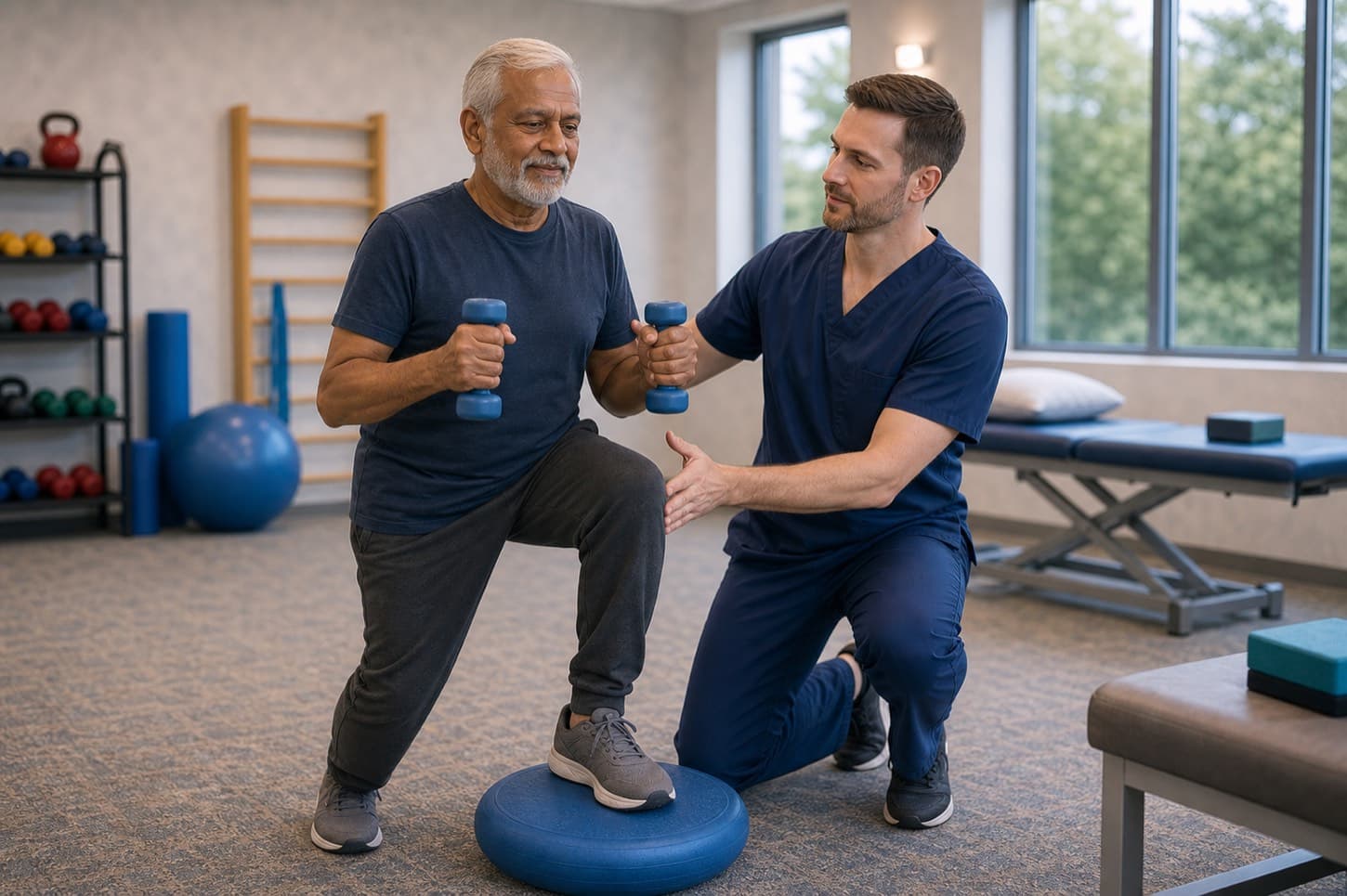
A physiotherapist designs a safe, individualized programme that builds strength, improves balance and confidence, and teaches safe movement and lifting. Exercises are tailored to your bone health and any previous fractures, with high-impact or extreme spinal-bending movements adjusted as needed.
The IMT thermal approach
At Istanbul Medical Thermal, our thermal waters offer a gentle, supportive environment that complements a bone-health programme. Warm-water exercise can ease muscle tension and improve comfort, mobility and confidence, which is especially valuable for people recovering from a fracture or who find land-based activity painful at first.
It is important to understand that water exercise is not weight-bearing, so for osteoporosis it serves as a supportive adjunct rather than a substitute for land-based, weight-bearing and resistance training. Our multidisciplinary team combines pool work with progressive strengthening, balance and fall-prevention exercise on land, keeping the bone-building elements at the centre of your care.
A SUPPORTIVE ADJUNCT
Warm-water exercise builds comfort and confidence, but because it is not weight-bearing it supports, rather than replaces, the land-based strength and balance training that protects bone.
What to expect
Care begins with an assessment of your strength, balance, posture and fracture history, leading to an individualized, bone-safe programme. Land-based weight-bearing and resistance training form the core, with warm-water sessions and on-site thermal accommodation supporting a comfortable, focused stay.
- Assessment of strength, balance, posture and fall risk
- Progressive resistance and weight-bearing exercise on land
- Balance and fall-prevention training
- Safe-movement and posture education
- Gentle warm-water sessions as a supportive adjunct
When to seek care
Speak with a qualified health professional if you have risk factors for osteoporosis, have lost height, developed back pain or a stooped posture, or have had a fracture from a minor fall. A clinician can arrange bone-density testing, review medical treatment, and ensure your exercise programme is safe for your bone health.
Sources
- International Osteoporosis Foundation — Exercise and bone health
- NICE — Osteoporosis: assessing the risk of fragility fracture
- World Health Organization — Falls and fracture prevention
- Mayo Clinic — Osteoporosis
This information is educational and is not a substitute for professional medical advice, diagnosis, or treatment. Always consult a qualified healthcare provider about your individual condition.