Post-Surgical Rehabilitation
Post-surgical rehabilitation restores movement, strength and function after an operation. Learn how staged physiotherapy and warm thermal hydrotherapy can support a smoother, safer recovery.
Understanding post-surgical rehabilitation
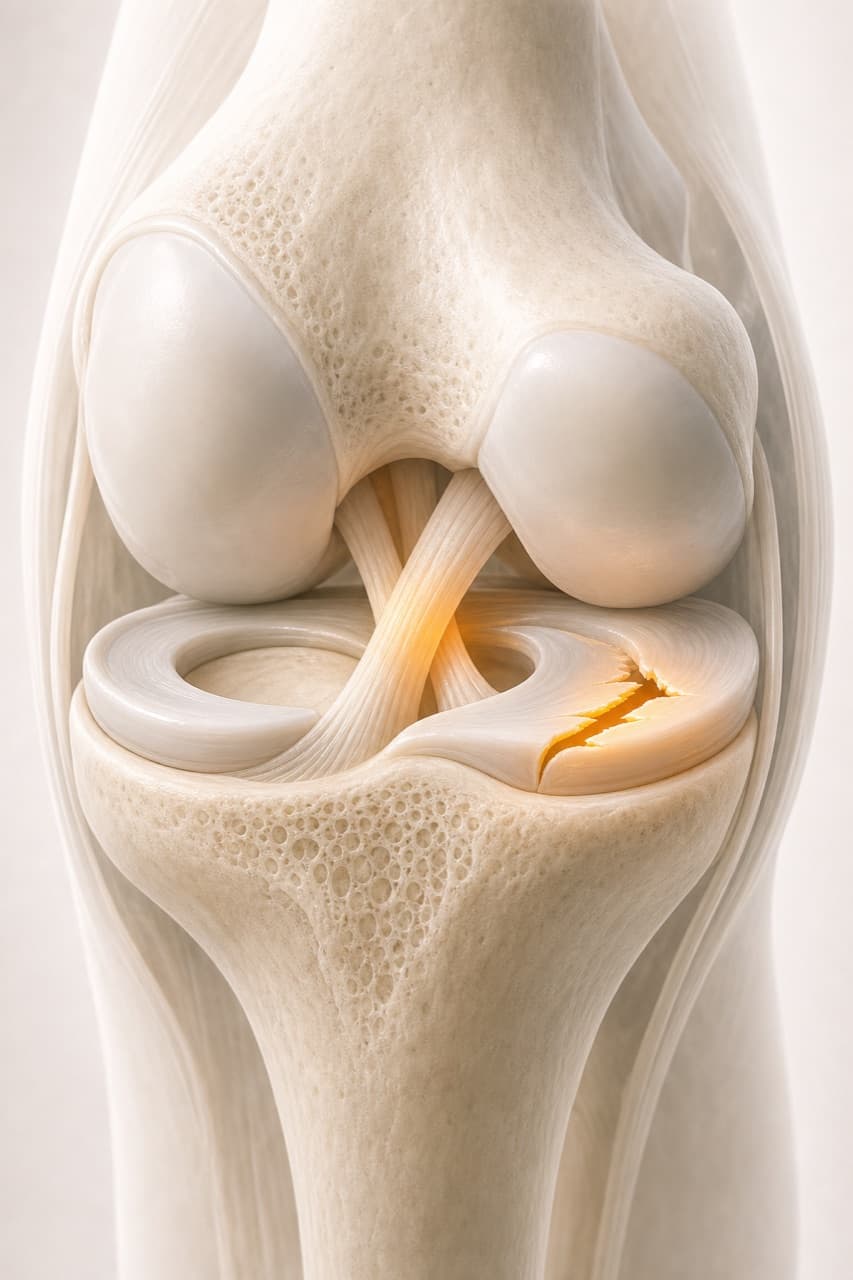
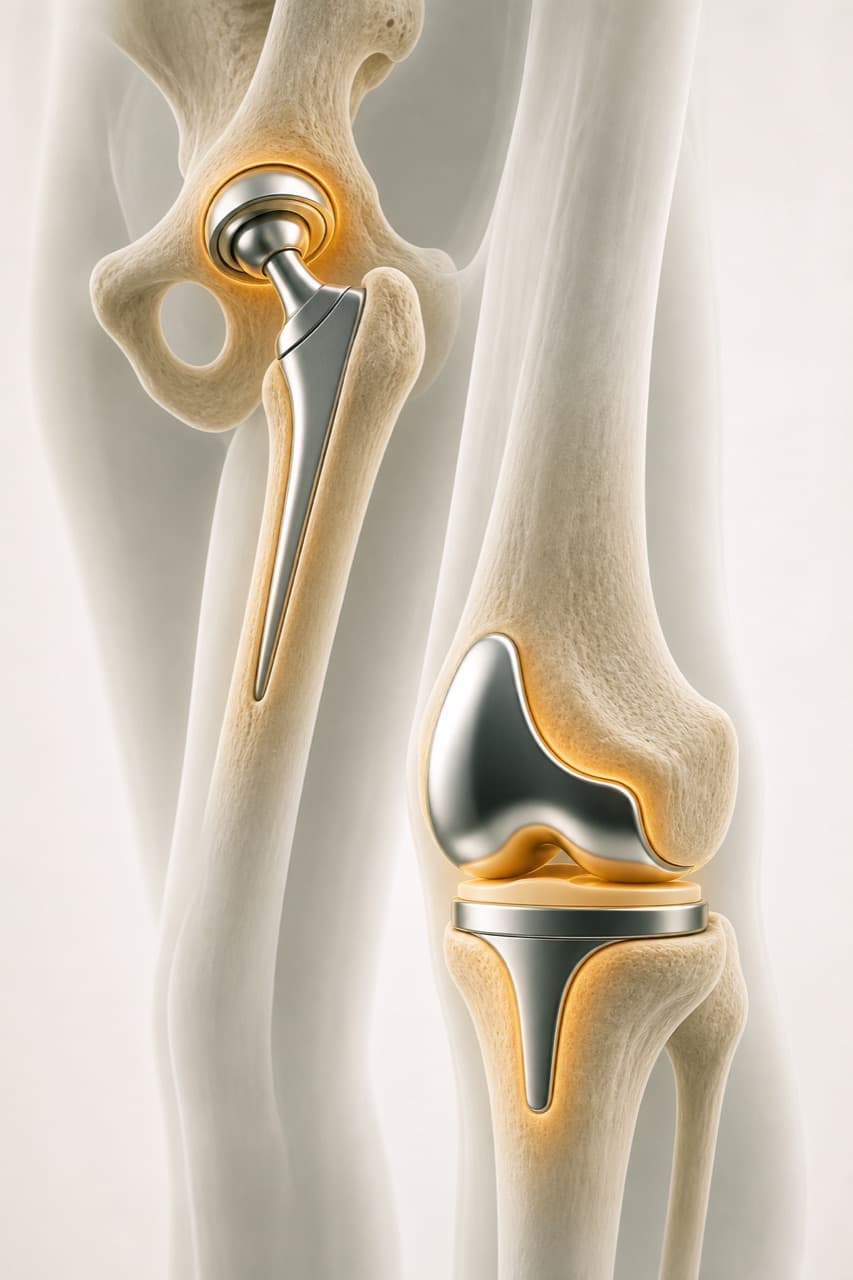
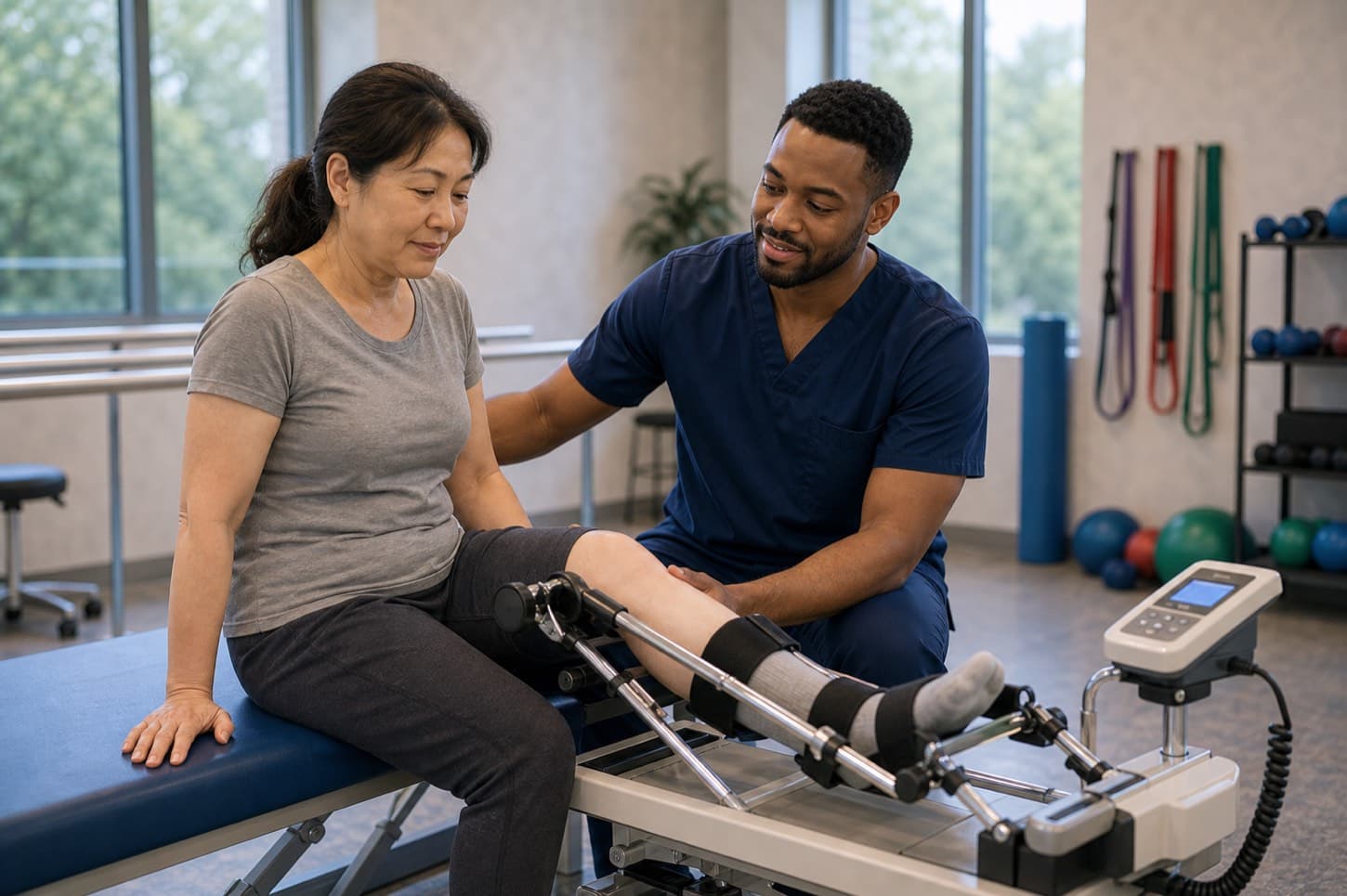
Post-surgical rehabilitation is the structured recovery process that follows an operation, such as joint, ligament, tendon or spinal surgery. Its purpose is to protect the surgical repair while gradually restoring range of motion, strength, balance and the function needed for everyday activities or sport.
Recovery is rarely a single step. It usually moves through defined phases, each with its own goals and precautions, guided by the operating surgeon's protocol and the rehabilitation team.
Structured rehabilitation after surgery can support better movement, strength and a confident return to daily life.
Signs and challenges after surgery
After surgery it is normal to experience temporary limitations that rehabilitation is designed to address.
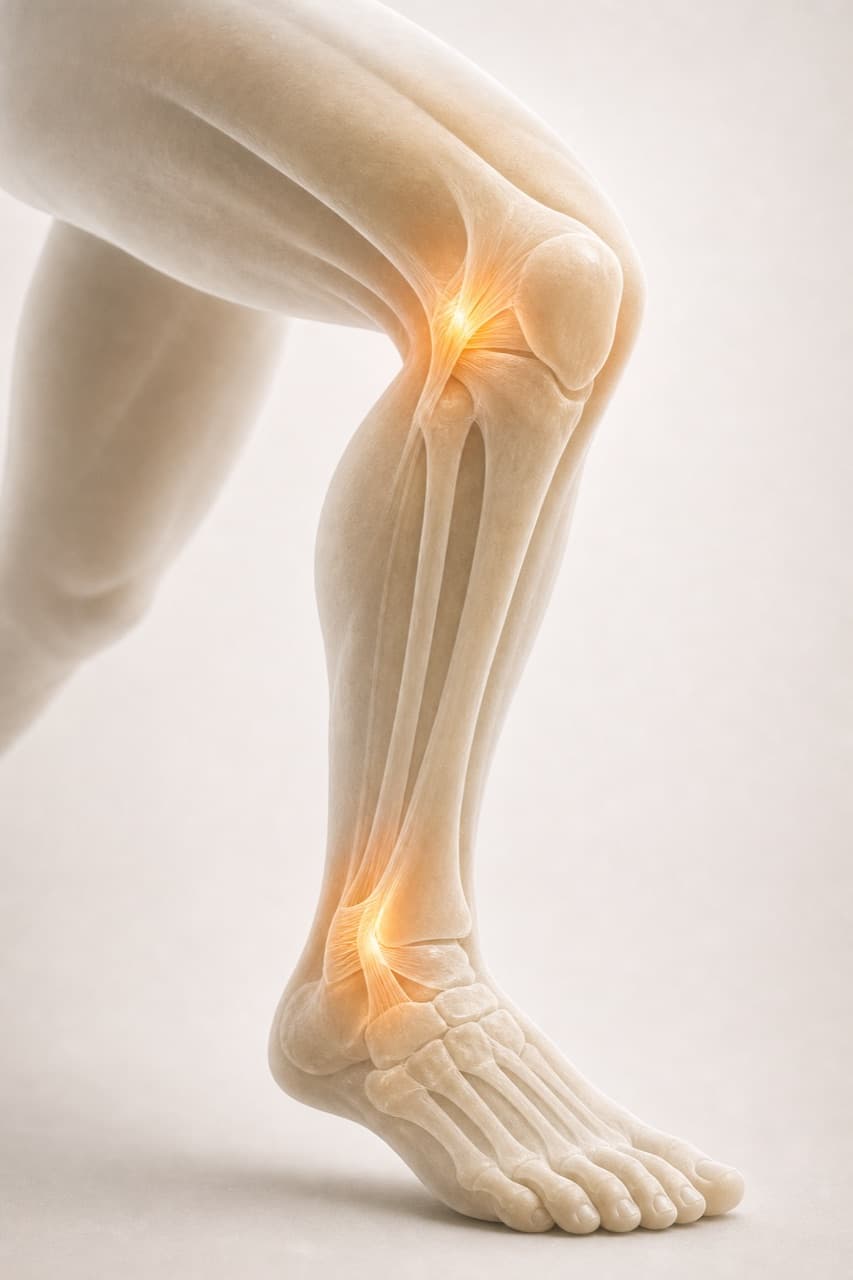
- Pain and swelling around the surgical site
- Stiffness and reduced joint range of motion
- Muscle weakness and loss of conditioning
- Difficulty with weight-bearing, balance or walking
- Reduced confidence in moving the affected area
- Fatigue and limited tolerance for daily tasks
How physiotherapy helps
Physiotherapy guides safe recovery within the boundaries set by your surgeon. World Physiotherapy and clinical guidelines such as those summarised by NICE and the AAOS emphasise early, appropriate mobilisation and progressive strengthening to restore function and reduce complications.
A physiotherapist coordinates each phase, controlling swelling, restoring motion, rebuilding strength and re-training balance and movement patterns. Progression is criteria-based, advancing only as healing and function milestones are reached.
The IMT thermal approach
IMT's warm thermal pools are particularly valuable after surgery. Because water supports body weight, patients can often begin walking re-education, range-of-motion and strengthening exercises in the pool earlier and more comfortably than on land, easing the transition toward full weight-bearing.
Aquatic therapy is delivered within a multidisciplinary programme, so pool work, manual therapy, land-based exercise and clinical oversight all align with the surgical protocol. The result is a cohesive plan that progresses at a pace appropriate to your healing.
Earlier, gentler movement
Warm-water buoyancy can let you move, walk and strengthen sooner after surgery, with reduced load on the healing area.
What to expect
Rehabilitation starts with an assessment aligned to your surgical procedure and protocol, followed by an individualised, staged plan. The team blends thermal hydrotherapy with land-based work and progresses you through clear phases. Staying on site supports consistent sessions, rest and recovery in one place.
- Assessment coordinated with your surgeon's protocol
- Early swelling control and protected mobilisation
- Aquatic therapy for graded, low-impact loading
- Progressive strengthening, balance and gait re-training
- Functional and goal-focused return to daily activity
When to seek care
Always follow your surgeon's instructions and attend planned reviews. Seek prompt medical attention if you notice increasing redness, warmth, spreading swelling, fever, calf pain, wound discharge or a sudden increase in pain, as these may signal a complication that should be assessed before continuing rehabilitation.
Sources
- World Physiotherapy (WCPT)
- American Academy of Orthopaedic Surgeons (AAOS)
- National Institute for Health and Care Excellence (NICE)
- Mayo Clinic
This information is educational and is not a substitute for professional medical advice, diagnosis, or treatment. Always consult a qualified healthcare provider about your individual condition.