Osteoarthritis
Osteoarthritis is the most common form of arthritis, causing joint pain and stiffness. Exercise, education and warm-water therapy are recommended as core, first-line care to reduce pain and improve function.
What is osteoarthritis?
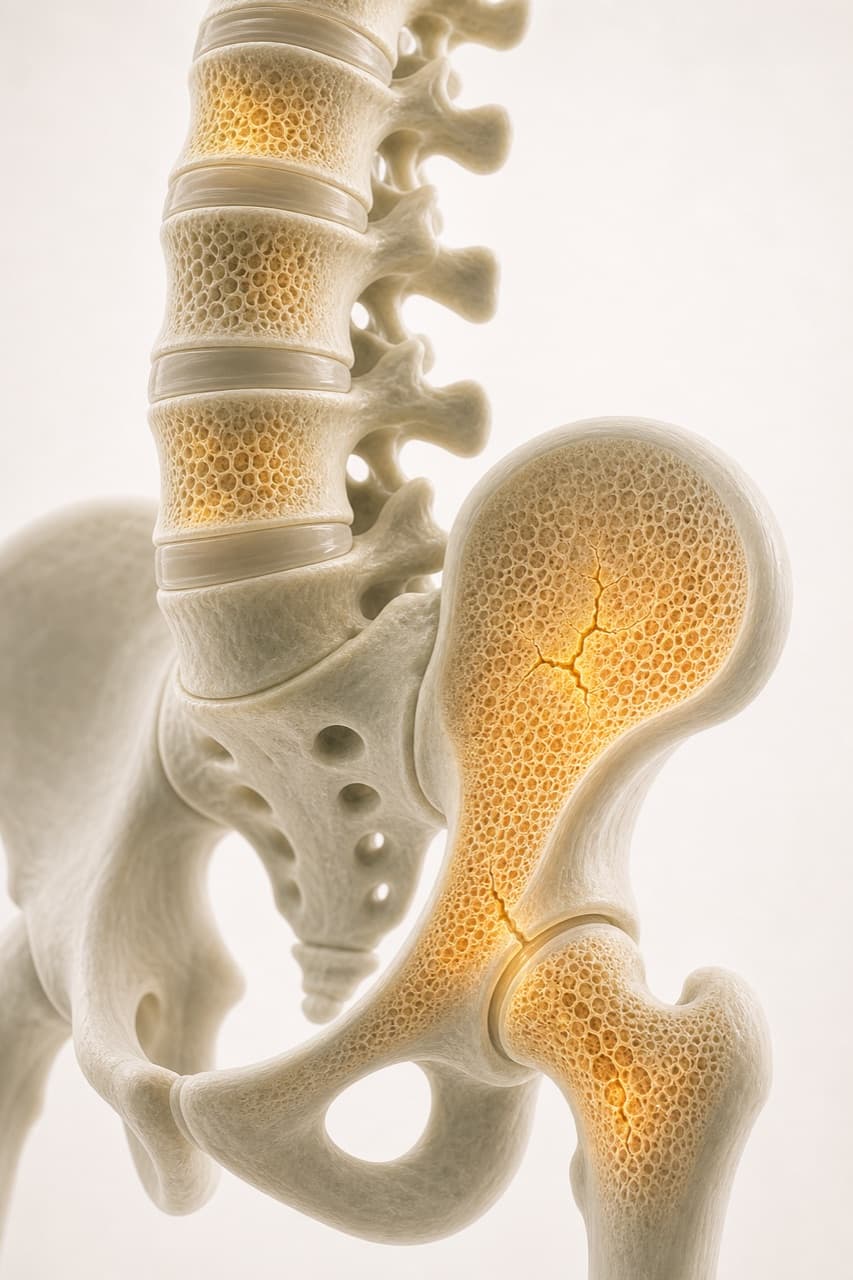
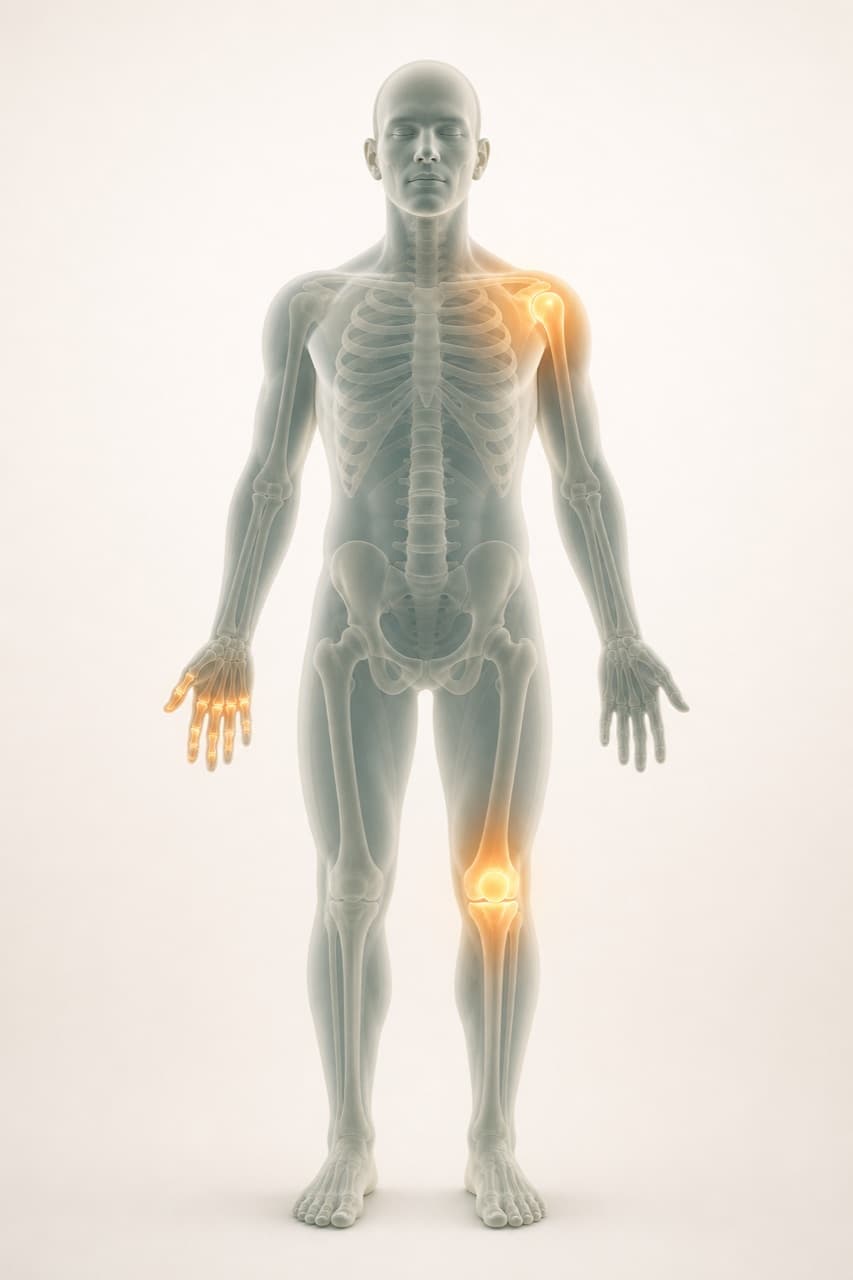
Osteoarthritis (OA) is the most common form of arthritis and a leading cause of pain and disability worldwide. It involves changes across the whole joint, including the gradual loss of cartilage, bony changes, and inflammation, most often affecting the knees, hips and hands.
OA is more than simple wear and tear; it is an active process the joint attempts to repair. Symptoms can fluctuate, and many people manage well with the right combination of exercise, education and lifestyle support. Age, joint injury, body weight and genetics all influence risk.
International guidelines agree: exercise and education are core, first-line treatment for osteoarthritis.
Signs and symptoms
Osteoarthritis symptoms develop gradually and tend to vary from day to day.
- Joint pain that worsens with activity and eases with rest
- Stiffness, especially in the morning or after sitting, usually easing within 30 minutes
- Reduced range of motion in the affected joint
- Grating or crackling sensations (crepitus) with movement
- Mild swelling or tenderness around the joint
- Muscle weakness and reduced confidence with walking or gripping
How physiotherapy helps
Exercise is the cornerstone of osteoarthritis care. OARSI, NICE (Guideline NG226) and the World Health Organization all recommend therapeutic exercise, education and weight management as core, first-line treatment for everyone with OA, regardless of age or severity. Importantly, suitable exercise does not harm the joint and can meaningfully reduce pain.
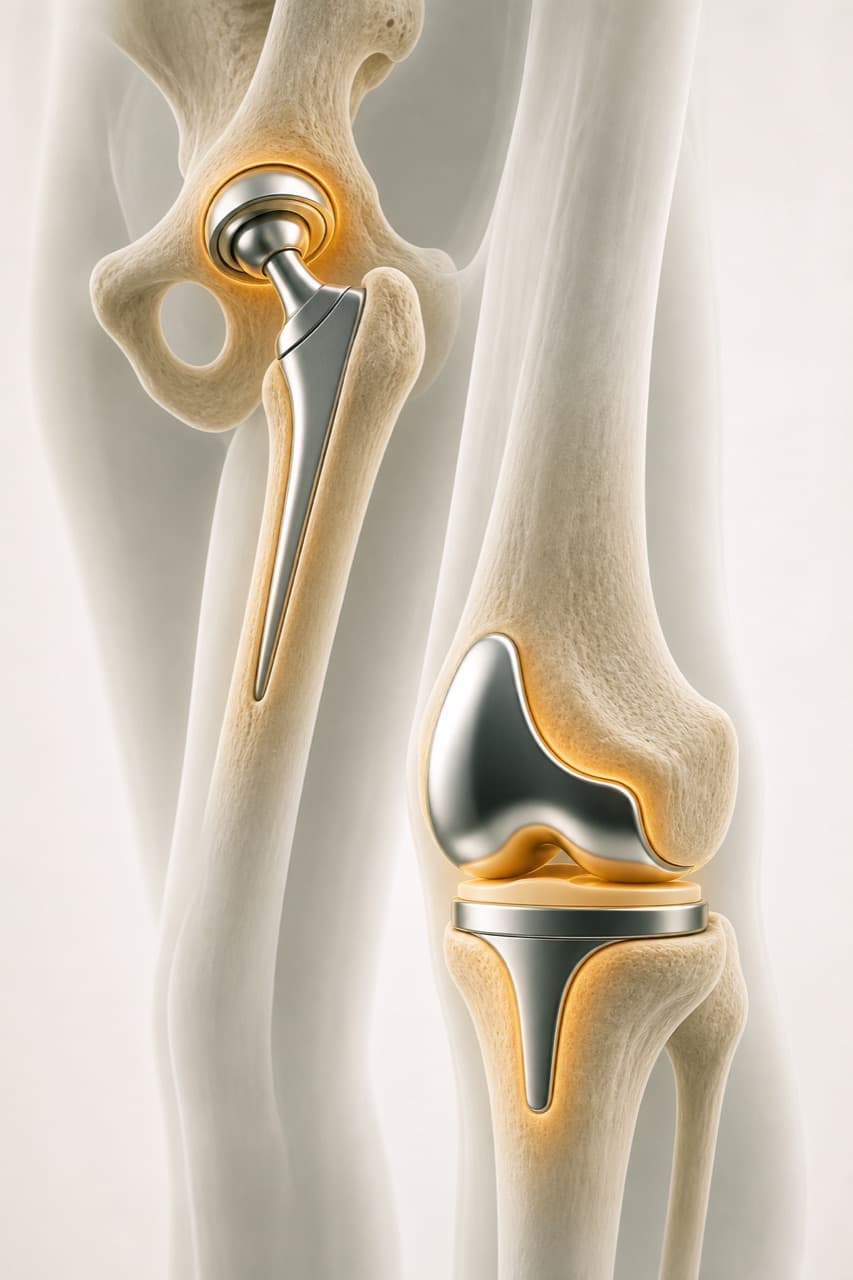
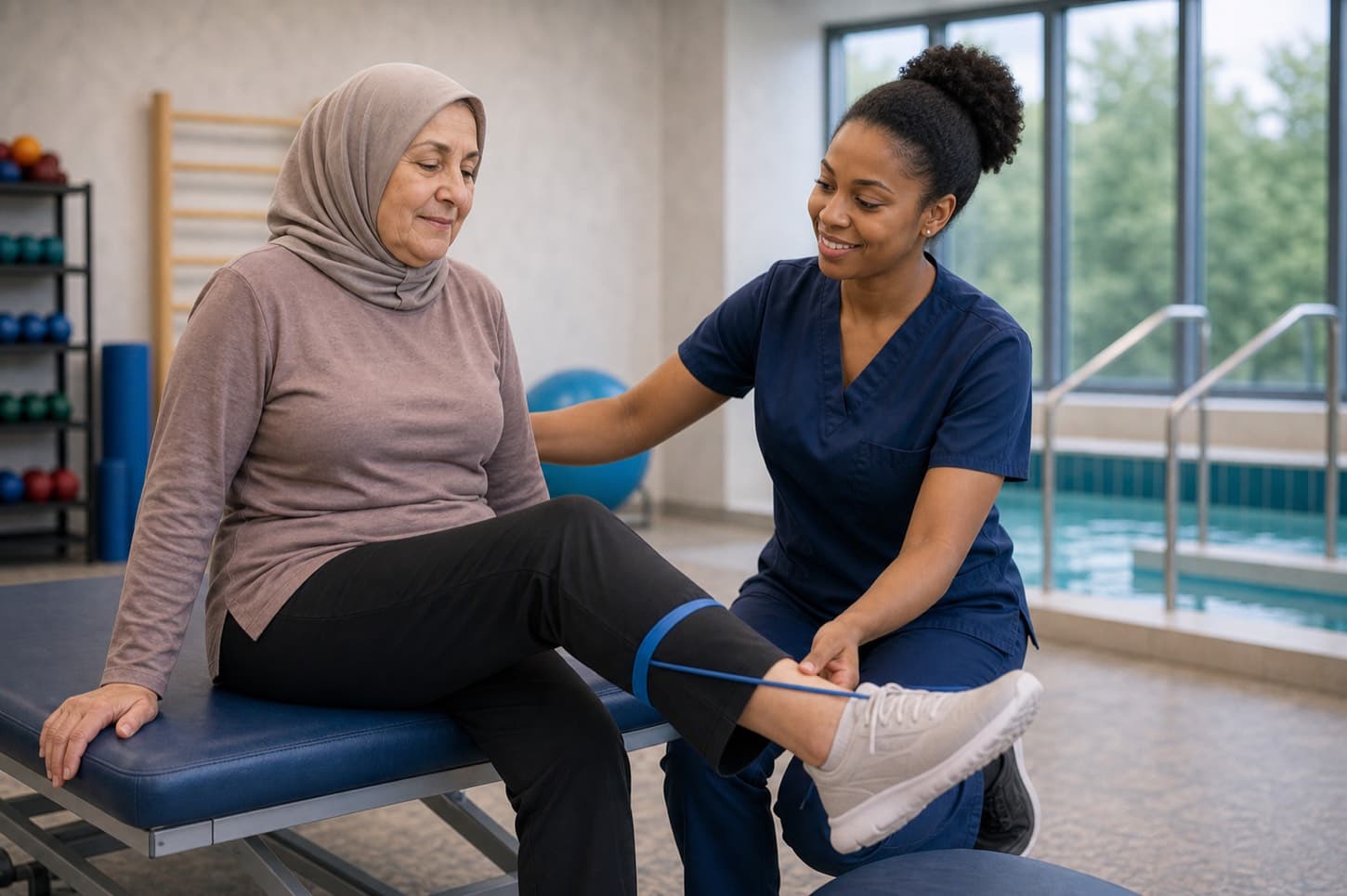
A physiotherapist designs an individualized programme combining strengthening, aerobic and range-of-motion exercise with education and self-management strategies. This approach can reduce pain, improve mobility and confidence, and may delay or reduce the need for other interventions.
The IMT thermal approach
At Istanbul Medical Thermal, our natural thermal mineral waters are particularly well suited to osteoarthritis. Balneotherapy and warm-water exercise have genuine supporting evidence for short-term improvements in pain and function, and the buoyant, warm environment lets people with stiff, painful knees and hips move more freely than they can on land.
Our multidisciplinary team blends hydrotherapy in the thermal pools with land-based strengthening, aerobic conditioning and education. This combined, individualized approach reflects the first-line, exercise-centred care that international guidelines recommend for OA.
WHY WARM-WATER EXERCISE
For osteoarthritis, balneotherapy and warm-water exercise have evidence for easing pain and improving function, making guideline-recommended movement more comfortable.
What to expect
Your care starts with a full assessment of the affected joints, your function and your goals, leading to an individualized exercise and education plan. The programme combines warm-water and land-based therapy, with on-site thermal accommodation so international guests can complete a focused course of treatment.
- Assessment of affected joints, strength and function
- Individualized strengthening and aerobic exercise
- Guided warm-water exercise in the thermal pools
- Education, pacing and weight-management support
- Progress review with the multidisciplinary team
When to seek care
See a qualified health professional if joint pain limits your daily activities, if symptoms are worsening, or if you experience significant swelling, redness, locking or sudden severe pain. A clinician can confirm the diagnosis, rule out other conditions, and ensure your exercise programme is appropriate.
Sources
- NICE Guideline NG226 — Osteoarthritis in over 16s
- OARSI — Guidelines for the non-surgical management of osteoarthritis
- World Health Organization — Osteoarthritis fact sheet
- Mayo Clinic — Osteoarthritis
This information is educational and is not a substitute for professional medical advice, diagnosis, or treatment. Always consult a qualified healthcare provider about your individual condition.