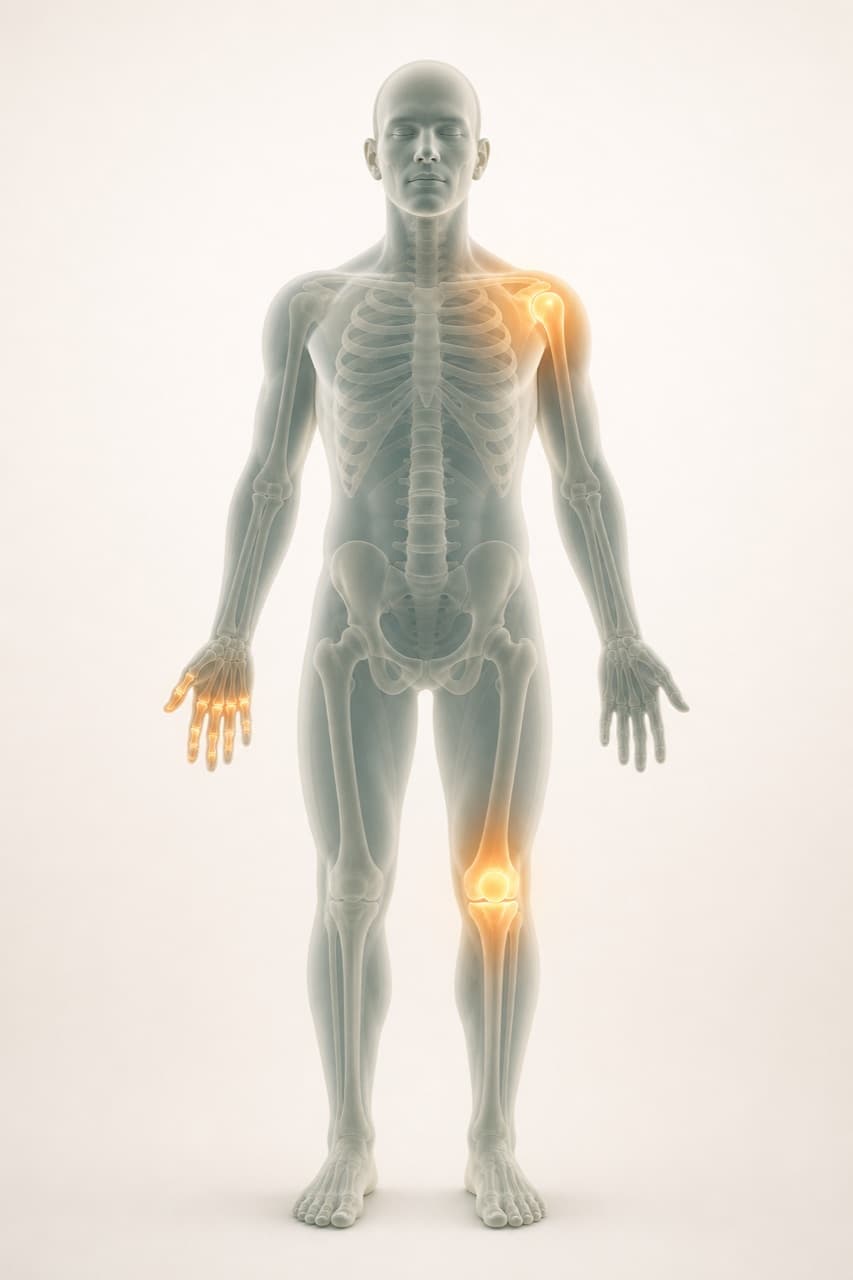
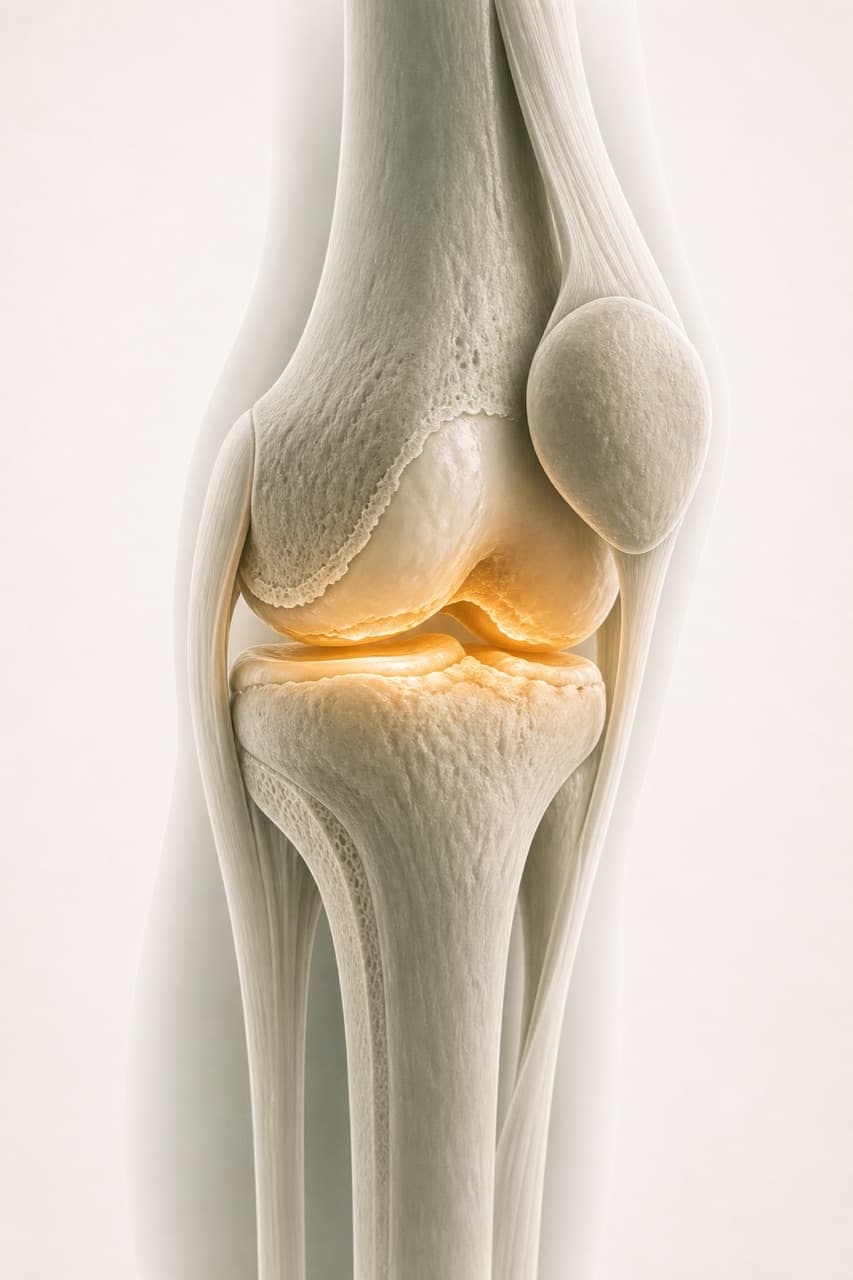
Arm, Elbow, Hand & Wrist Pain
Pain in the arm, elbow, hand or wrist often stems from overuse, tendon problems or nerve compression. Physiotherapy and graded, comfortable movement can reduce pain and restore strength and grip.
What causes arm, elbow, hand and wrist pain?
The upper limb is a finely tuned chain of joints, tendons and nerves that we rely on for nearly every daily task. Pain here frequently arises from overuse and repetitive strain, such as lateral epicondylitis (tennis elbow), medial epicondylitis (golfer's elbow), or tendinopathy at the wrist.
Nerve-related problems such as carpal tunnel syndrome can cause tingling, numbness and weakness in the hand. Pain may also follow injury, arthritis, or postural and workplace factors. Identifying the specific cause is key to choosing the right rehabilitation.
For most upper-limb pain, progressive loading and tailored exercise outperform prolonged rest.
Signs and symptoms
Symptoms depend on which structures are involved, but several signs are common in upper-limb conditions.
- Pain on the outer or inner elbow, often worse with gripping or lifting
- Aching or sharp pain in the wrist or hand during activity
- Tingling, numbness or pins-and-needles in the fingers
- Reduced grip strength or difficulty holding objects
- Stiffness, swelling or tenderness over a tendon or joint
- Symptoms that worsen with repetitive tasks or typing
How physiotherapy helps
Physiotherapy is a mainstay of care for upper-limb pain. NICE and World Physiotherapy support exercise-based rehabilitation for tendinopathies and many nerve-related conditions, with prolonged rest generally discouraged in favour of graded, progressive loading. A physiotherapist assesses the affected region, screens for nerve involvement, and addresses contributing factors at the shoulder, neck and posture.
Treatment may include progressive strengthening and tendon-loading exercises, stretching, manual therapy, ergonomic and activity advice, and splinting where appropriate. The goal is to reduce pain, rebuild grip and strength, and help you return to work and daily activities.
The IMT thermal approach
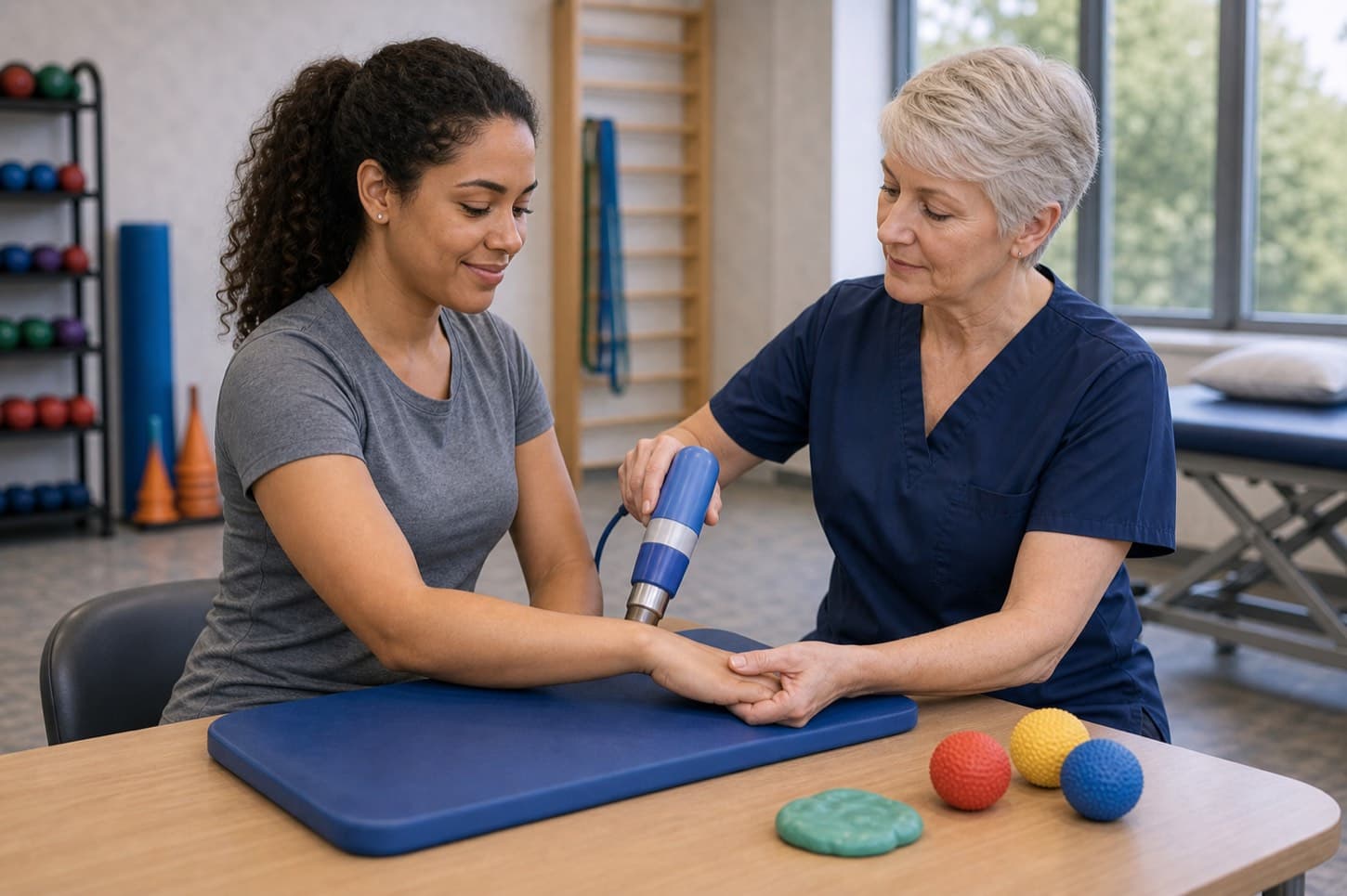
At Istanbul Medical Thermal, warm thermal water provides a gentle medium for early upper-limb rehabilitation. The warmth can soothe irritable tendons and reduce protective muscle tension, while the supportive water makes it easier to begin comfortable, low-load movement of the wrist, hand and elbow before progressing to land-based loading.
Our multidisciplinary team integrates hydrotherapy with targeted exercise, manual therapy and practical advice on managing daily tasks. With on-site accommodation, international guests can follow a consistent, supervised programme and progress steadily.
GENTLE EARLY MOVEMENT
Warm water relaxes tense forearm muscles and supports the limb, helping people start comfortable movement before building strength on land.
What to expect
Care starts with a detailed assessment of your arm, elbow, hand and wrist, including grip and nerve screening, leading to an individualized plan. The programme blends warm-water and land-based rehabilitation, with on-site thermal accommodation supporting an uninterrupted course of treatment.
- Assessment of grip, range of motion and nerve symptoms
- Progressive tendon-loading and strengthening exercises
- Warm-water sessions to ease early movement
- Ergonomic, activity and self-management advice
- Ongoing review with the multidisciplinary team
When to seek care
See a qualified health professional if you have severe or worsening pain, progressive numbness or weakness in the hand, loss of grip, signs of infection, or symptoms that follow a significant injury. A clinician can confirm the diagnosis and ensure your rehabilitation is safe and effective.
Sources
- NICE — Clinical guidance on tennis elbow and upper-limb disorders
- World Physiotherapy — Rehabilitation of musculoskeletal conditions
- Mayo Clinic — Carpal tunnel syndrome
- Mayo Clinic — Tennis elbow
This information is educational and is not a substitute for professional medical advice, diagnosis, or treatment. Always consult a qualified healthcare provider about your individual condition.