Painful Joint Conditions
Painful joint conditions cover a wide range of disorders that cause stiffness, swelling and discomfort. Physiotherapy, exercise and warm-water therapy can reduce pain and help restore everyday movement.
What are painful joint conditions?
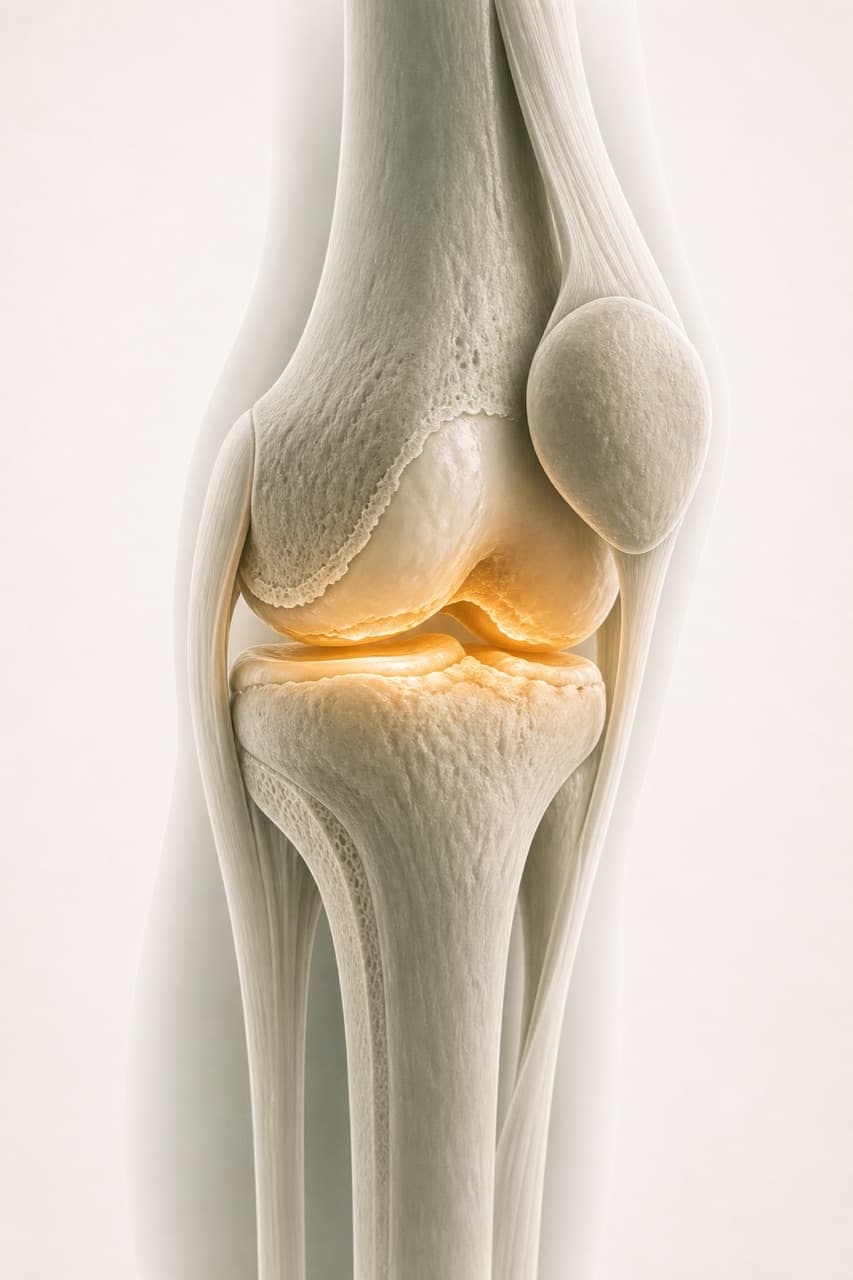
Painful joint conditions is an umbrella term for the many disorders that produce pain, stiffness or swelling in and around the joints. They include degenerative changes such as osteoarthritis, inflammatory conditions, and soft-tissue problems affecting the tendons, ligaments and muscles that support a joint.
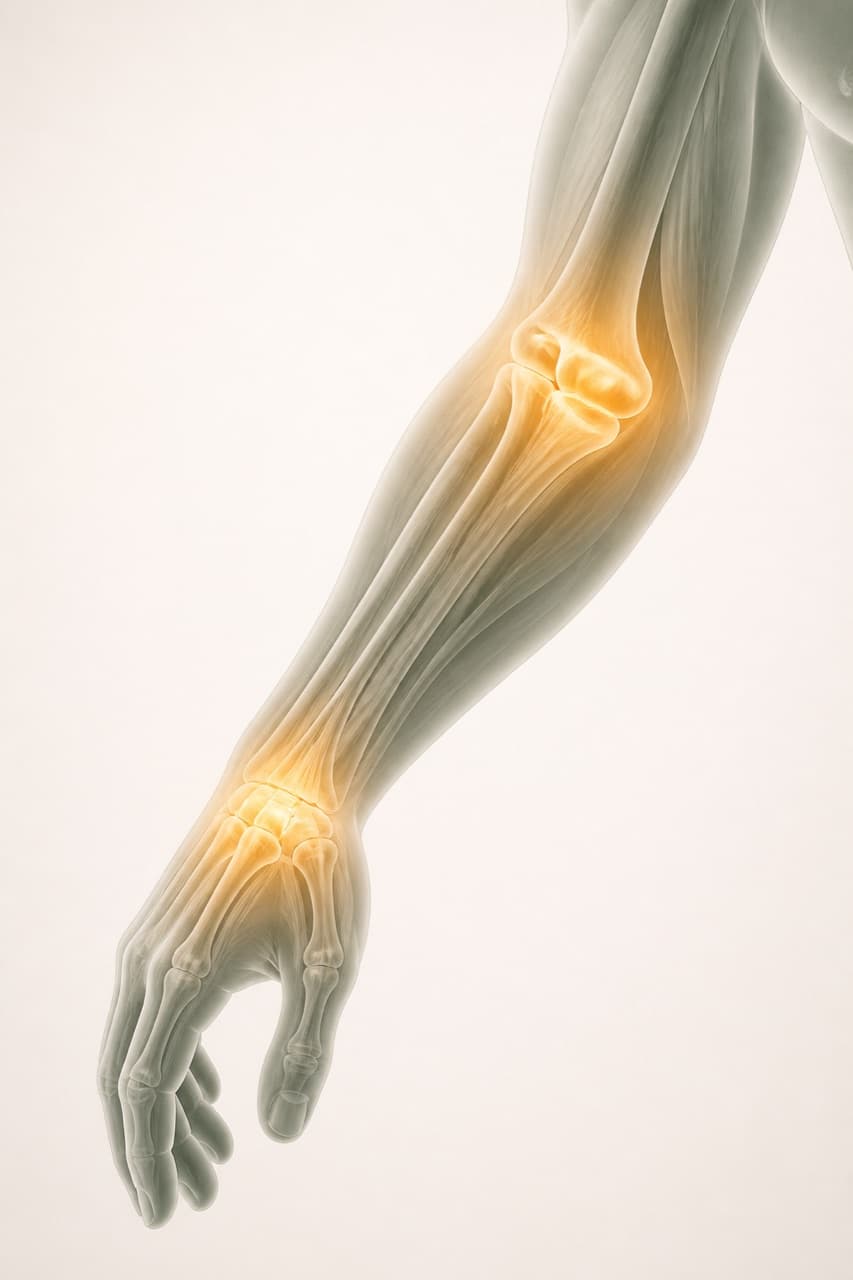
Pain may be felt in a single joint, such as a knee or shoulder, or across several joints at once. While causes differ, many share common challenges: reduced range of motion, weaker surrounding muscles, and a tendency to avoid activity, which can make symptoms worse over time.
Across most painful joint conditions, guided movement and exercise remain the cornerstone of care rather than rest.
Signs and symptoms
Symptoms vary with the underlying cause, but several patterns are common across painful joint conditions.
- Aching, throbbing or sharp pain in or around one or more joints
- Morning stiffness or stiffness after periods of rest
- Swelling, warmth or tenderness over the joint
- Reduced range of motion or a feeling of the joint catching
- Weakness or instability when bearing weight or gripping
- Difficulty with daily tasks such as walking, climbing stairs or reaching
How physiotherapy helps
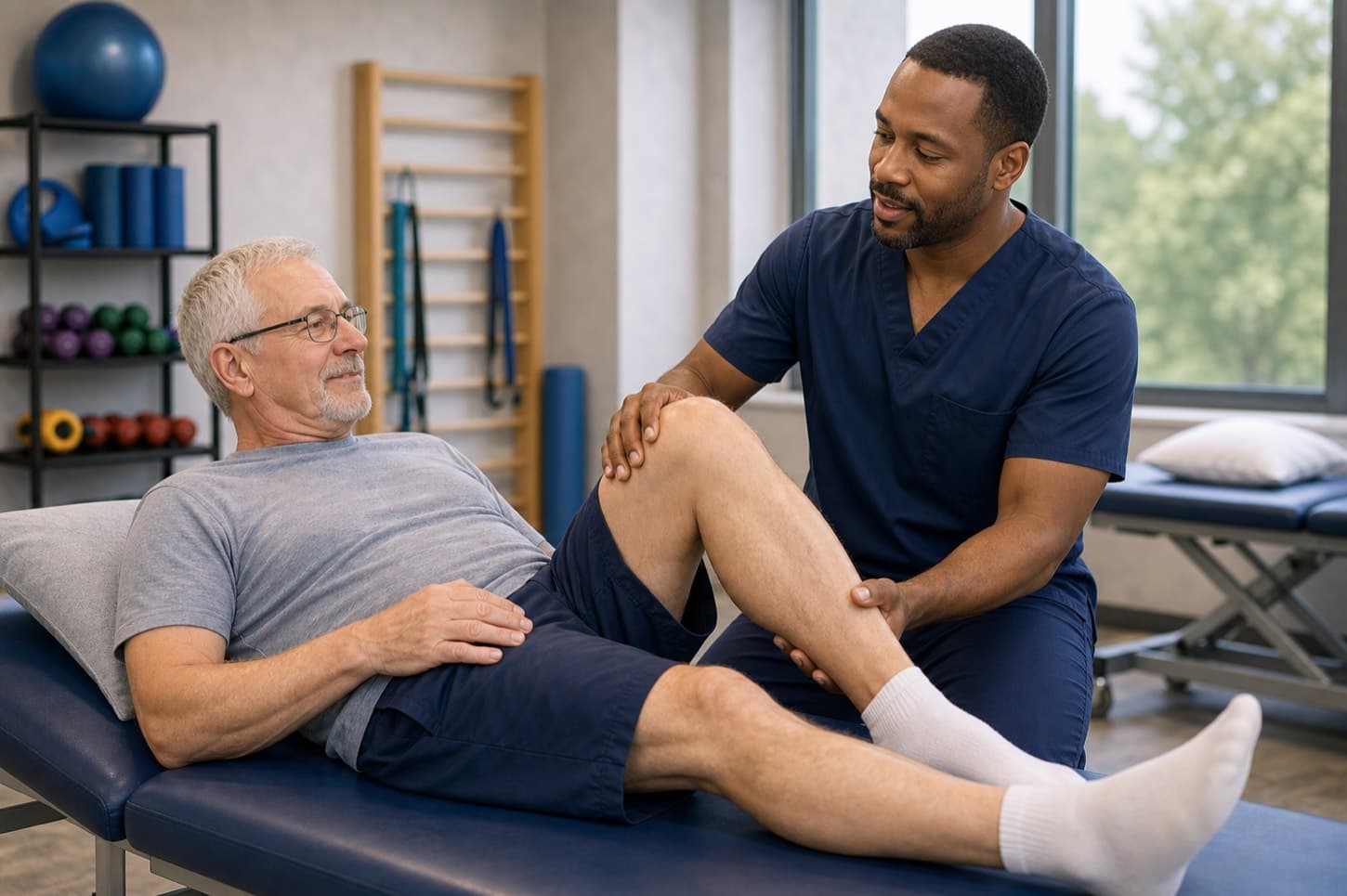
Physiotherapy is widely recognised as a first-line treatment for chronic joint pain. The World Health Organization and World Physiotherapy emphasise movement-based rehabilitation, while NICE guidance recommends therapeutic exercise and education as core care for many musculoskeletal conditions. A physiotherapist assesses the affected joints, identifies contributing weaknesses or movement faults, and builds an individualized programme.
Treatment may combine targeted strengthening, range-of-motion and stretching exercises, manual therapy, pacing advice and education about the condition. The aim is to reduce pain, improve function and help people stay active safely, lowering the risk of further deconditioning.
The IMT thermal approach
At Istanbul Medical Thermal, rehabilitation is supported by our natural thermal mineral waters. Exercising in warm water reduces the load on painful joints through buoyancy, while the warmth can help ease muscle tension and make movement feel more comfortable. This allows many people to begin or progress exercise that would be difficult on land.
A multidisciplinary team of physiotherapists and physicians coordinates each programme, combining hydrotherapy and balneotherapy in our thermal pools with land-based exercise and education. Care is tailored to the individual rather than applied as a one-size-fits-all routine.
WHY WARM-WATER THERAPY
Buoyancy unloads sore joints and warmth relaxes surrounding muscles, so movement that feels painful on land often becomes achievable in the pool.
What to expect
Your journey begins with a thorough assessment of your joints, movement and goals. From there the team designs an individualized plan that blends land and warm-water exercise, with on-site accommodation so international guests can complete an uninterrupted programme supported by our thermal facilities.
- A detailed clinical assessment and goal-setting discussion
- A tailored exercise plan progressed at your pace
- Guided hydrotherapy sessions in the thermal pools
- Education on self-management, pacing and activity
- Regular review with the multidisciplinary team
When to seek care
Seek advice from a qualified health professional if joint pain is severe, persistent, worsening, or accompanied by significant swelling, redness, fever, or sudden loss of function, as these may indicate a condition needing prompt medical assessment. A clinician can confirm the cause and ensure rehabilitation is appropriate and safe for you.
Sources
- World Health Organization — Musculoskeletal health fact sheet
- World Physiotherapy — Role of physiotherapy in musculoskeletal conditions
- NICE — Guidance on chronic musculoskeletal pain
- Mayo Clinic — Joint pain
This information is educational and is not a substitute for professional medical advice, diagnosis, or treatment. Always consult a qualified healthcare provider about your individual condition.