Cerebral Palsy (CP)
Cerebral palsy affects movement and posture from early in life. Learn how goal-directed, family-centred physiotherapy, with enjoyable warm-water aquatic sessions, can support a child's development and participation.
What is cerebral palsy?
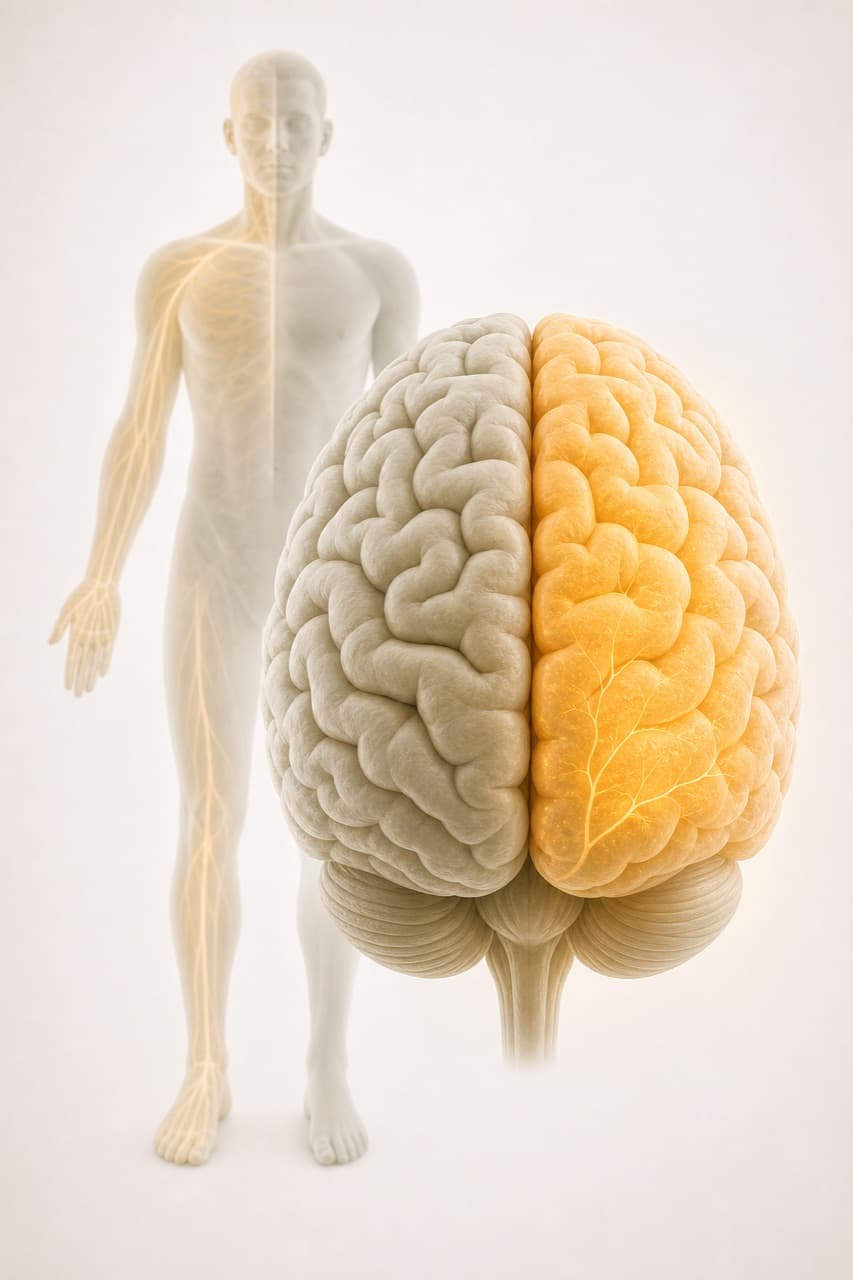
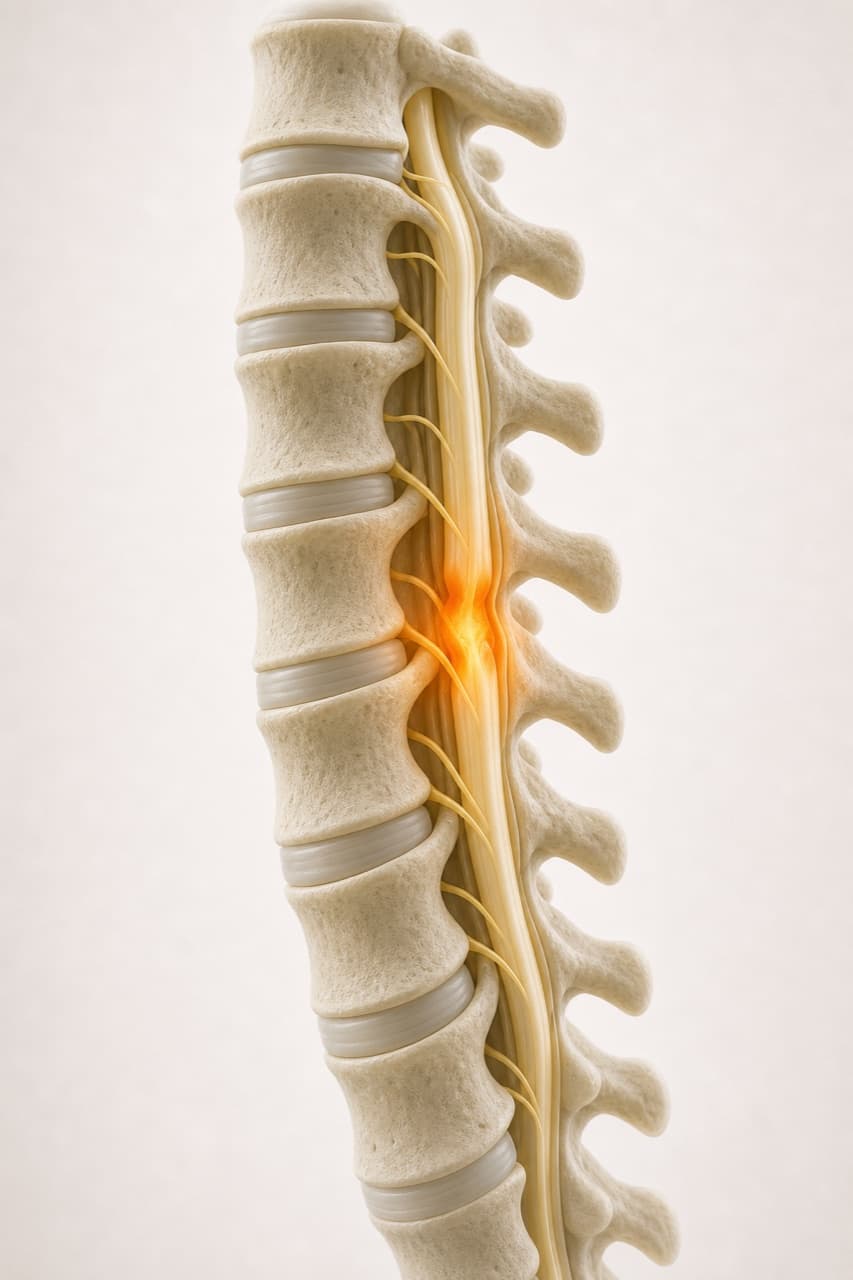
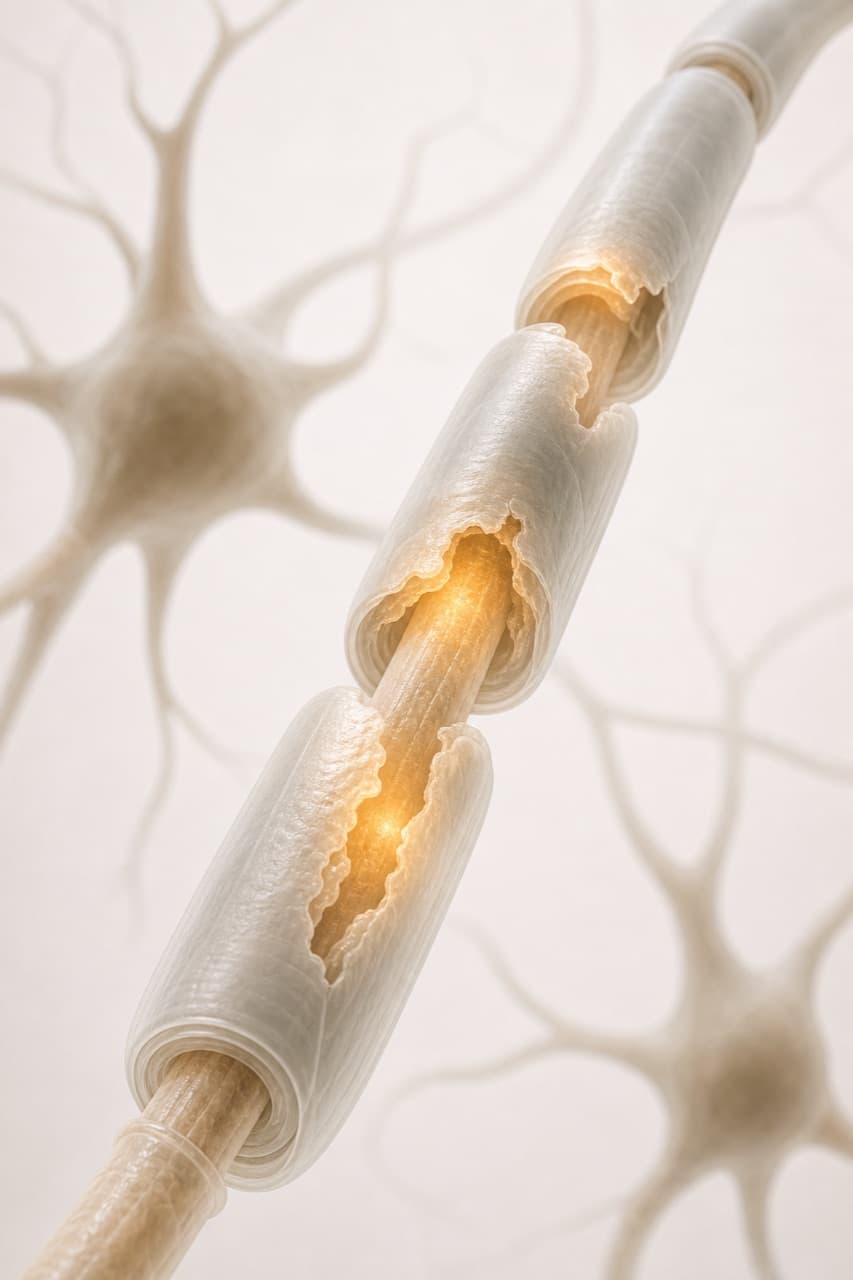
Cerebral palsy (CP) is a group of lifelong conditions affecting movement, posture and coordination, caused by a non-progressive disruption to the developing brain before, during or shortly after birth. While the underlying brain difference does not worsen over time, its effects on muscles and movement can change as a child grows.
CP varies widely. Some children have mild effects on one side of the body, while others have more involved movement challenges. Many children also have associated needs such as communication, learning, vision or feeding difficulties, which is why a team-based approach matters.
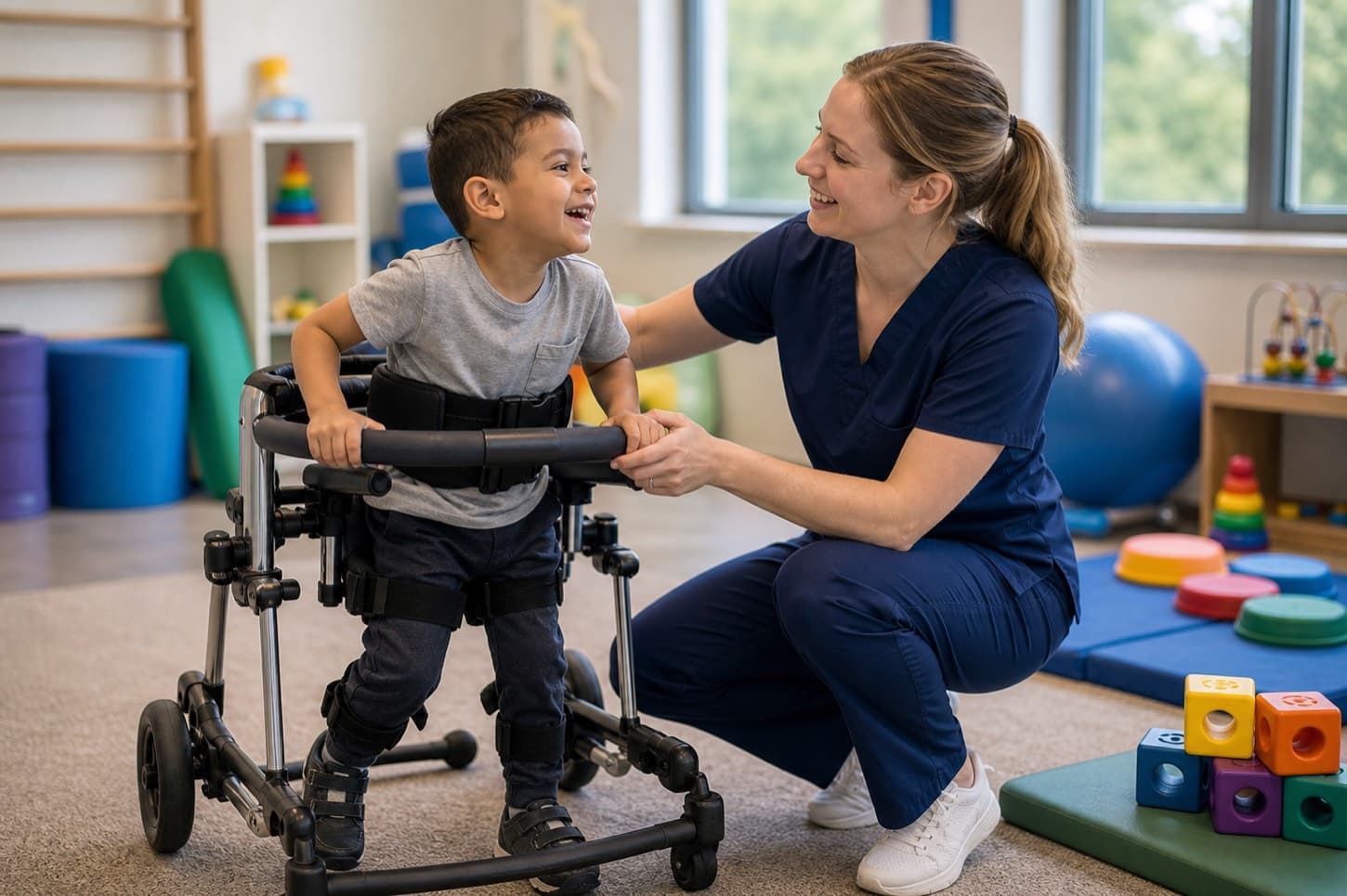
Goal-directed, family-centred therapy can help children with cerebral palsy build movement, strength and participation.
Signs and symptoms
Signs usually appear in infancy or early childhood and differ from child to child.
- Delays in reaching motor milestones such as sitting or walking
- Increased muscle stiffness (spasticity) or low muscle tone
- Difficulties with balance, coordination and posture
- Favouring one side of the body during movement
- Challenges with fine motor tasks and walking patterns
- Associated needs such as communication, feeding or vision difficulties
How physiotherapy helps
Physiotherapy plays an important role in supporting children with CP. NICE guidance on cerebral palsy in under-25s (NG62), along with World Physiotherapy and WHO frameworks, recommends goal-directed, family-centred therapy that focuses on the activities and participation that matter most to each child and family.
Rather than aiming to change the brain injury, therapy works to build functional movement, strength, range of motion and independence. Physiotherapists set meaningful, achievable goals with families and use active, practice-based approaches to help children move, play and take part more fully.
The IMT thermal approach
At IMT, warm thermal pools offer children an enjoyable and supportive medium for movement. The warmth can help muscles relax, and buoyancy reduces load on the body, so children can practise movement, strength and balance with less effort and often with more confidence and fun than on land.
Aquatic sessions are always part of a goal-directed, family-centred plan delivered by a multidisciplinary team. The thermal water is used as a motivating space to practise functional skills; it supports the wider rehabilitation programme and does not treat the underlying brain injury itself.
Movement made enjoyable
Warm-water sessions let children practise balance, strength and movement with reduced load, within a fun, supportive setting that encourages participation.
What to expect
Care begins with an assessment of the child's movement, abilities and the family's priorities, leading to an individualised, goal-directed plan. The multidisciplinary team blends enjoyable thermal aquatic sessions with land-based therapy and works closely with families. An on-site stay supports consistent sessions and rest for the whole family.
- Family-centred assessment and shared goal-setting
- Aquatic sessions in warm thermal pools to practise movement and balance
- Land-based strengthening, mobility and functional skills
- Play-based, motivating activities suited to the child
- Guidance and home-programme support for families
When to seek care
If you have concerns about a child's movement, posture, muscle tone or delays in motor milestones, speak with a paediatrician or qualified therapist for assessment. Early evaluation and ongoing specialist support help ensure a child receives a coordinated, individualised rehabilitation plan suited to their needs and stage of development.
Sources
- National Institute for Health and Care Excellence (NICE NG62, cerebral palsy in under 25s)
- World Health Organization (WHO)
- World Physiotherapy (WCPT)
- Mayo Clinic
This information is educational and is not a substitute for professional medical advice, diagnosis, or treatment. Always consult a qualified healthcare provider about your individual condition.