Multiple Sclerosis (MS)
Multiple sclerosis is a long-term condition affecting the central nervous system. Tailored physiotherapy and carefully managed exercise can help maintain mobility, balance, strength and everyday function.
What is multiple sclerosis?
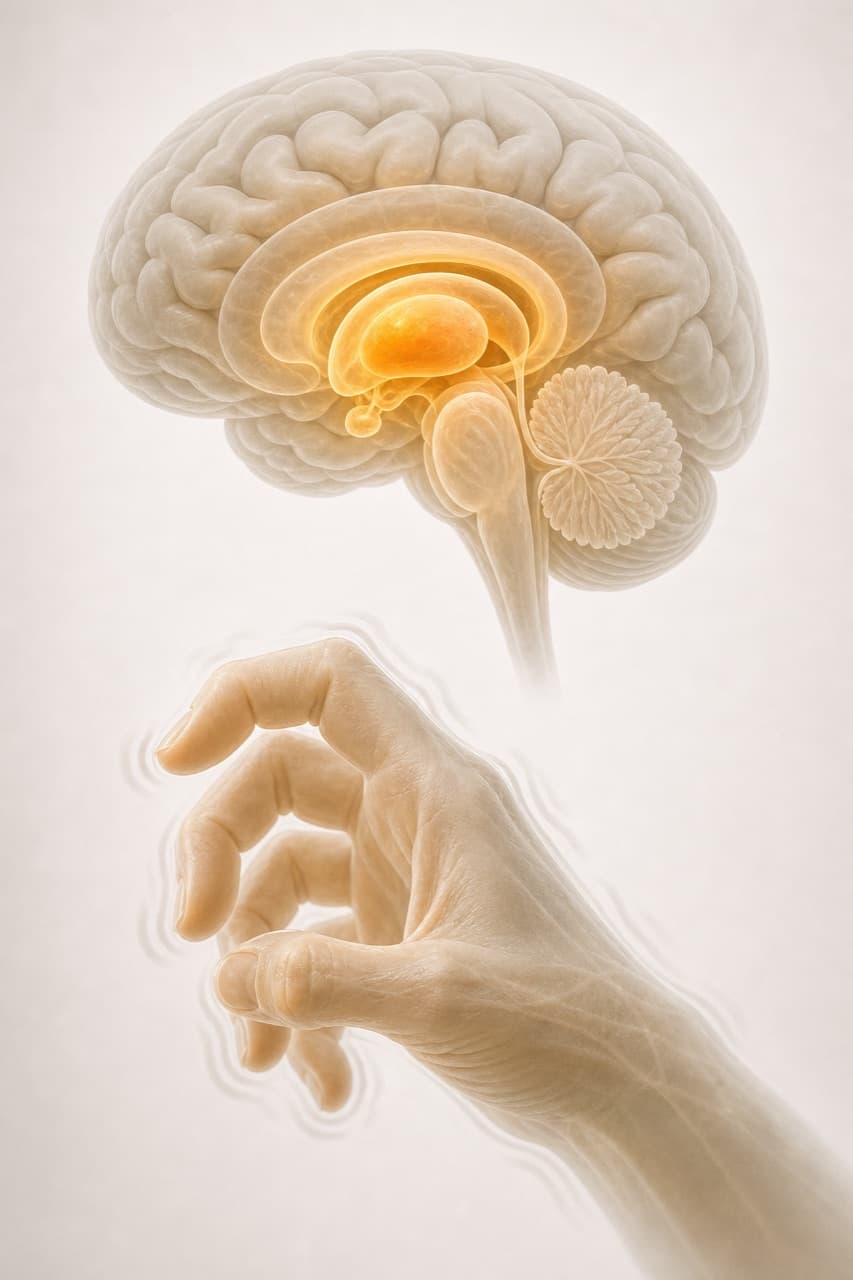
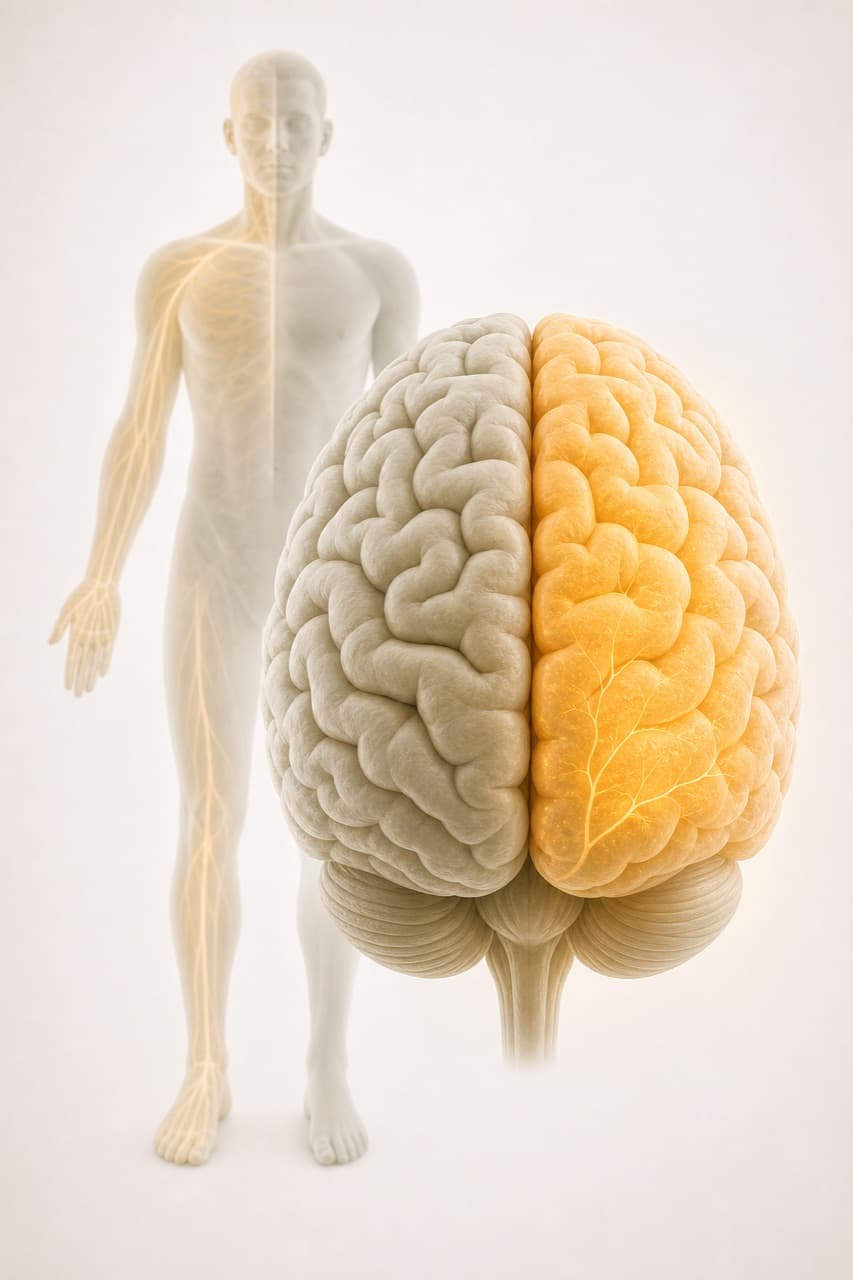
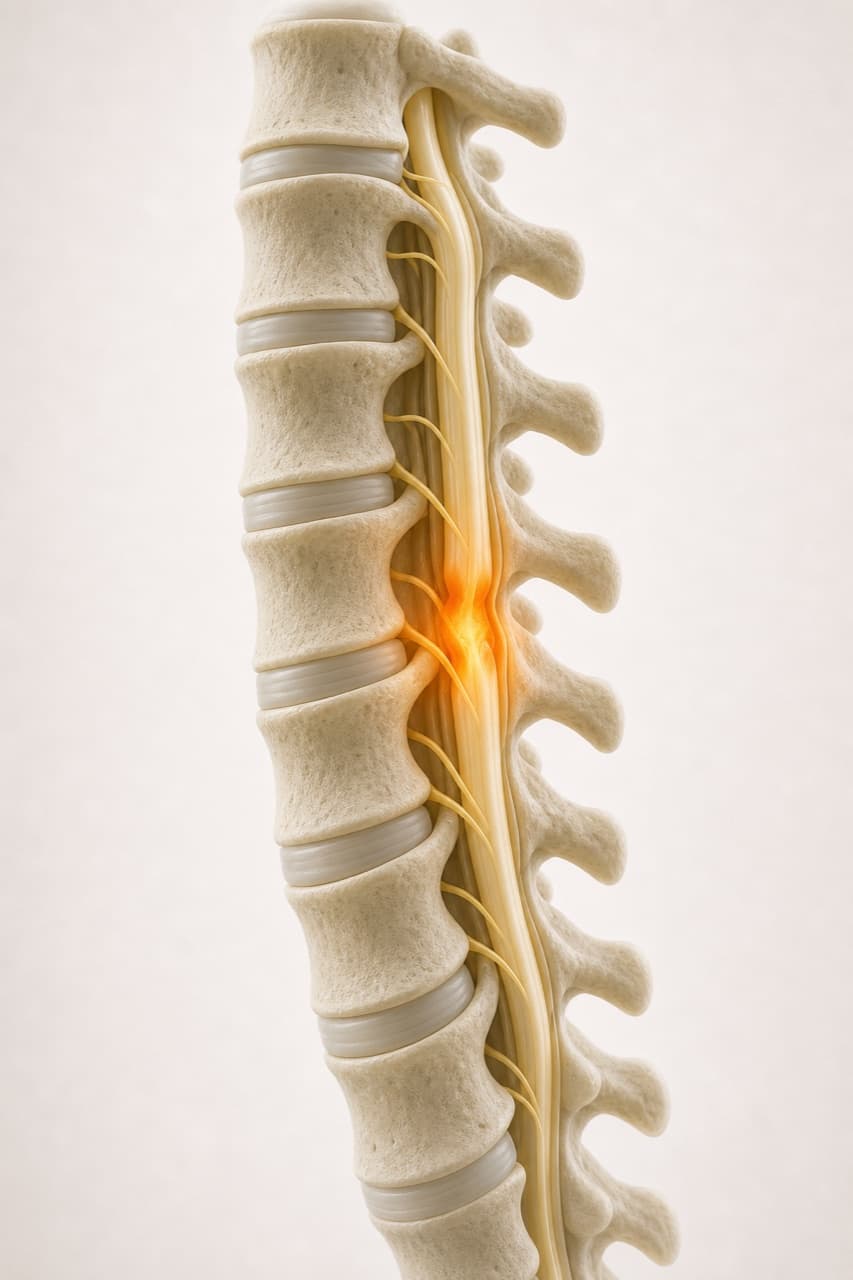
Multiple sclerosis (MS) is a long-term condition in which the immune system damages myelin, the protective sheath around nerve fibres in the brain and spinal cord. This disrupts the signals travelling along the nerves and can affect movement, balance, sensation, vision and energy levels. MS follows different patterns; some people have relapses and remissions, while others experience gradual progression.
There is no cure for MS, but symptoms and function can often be managed well. Rehabilitation focuses on helping people stay as mobile, strong and independent as possible, and on adapting to changes over time with support from a coordinated care team.
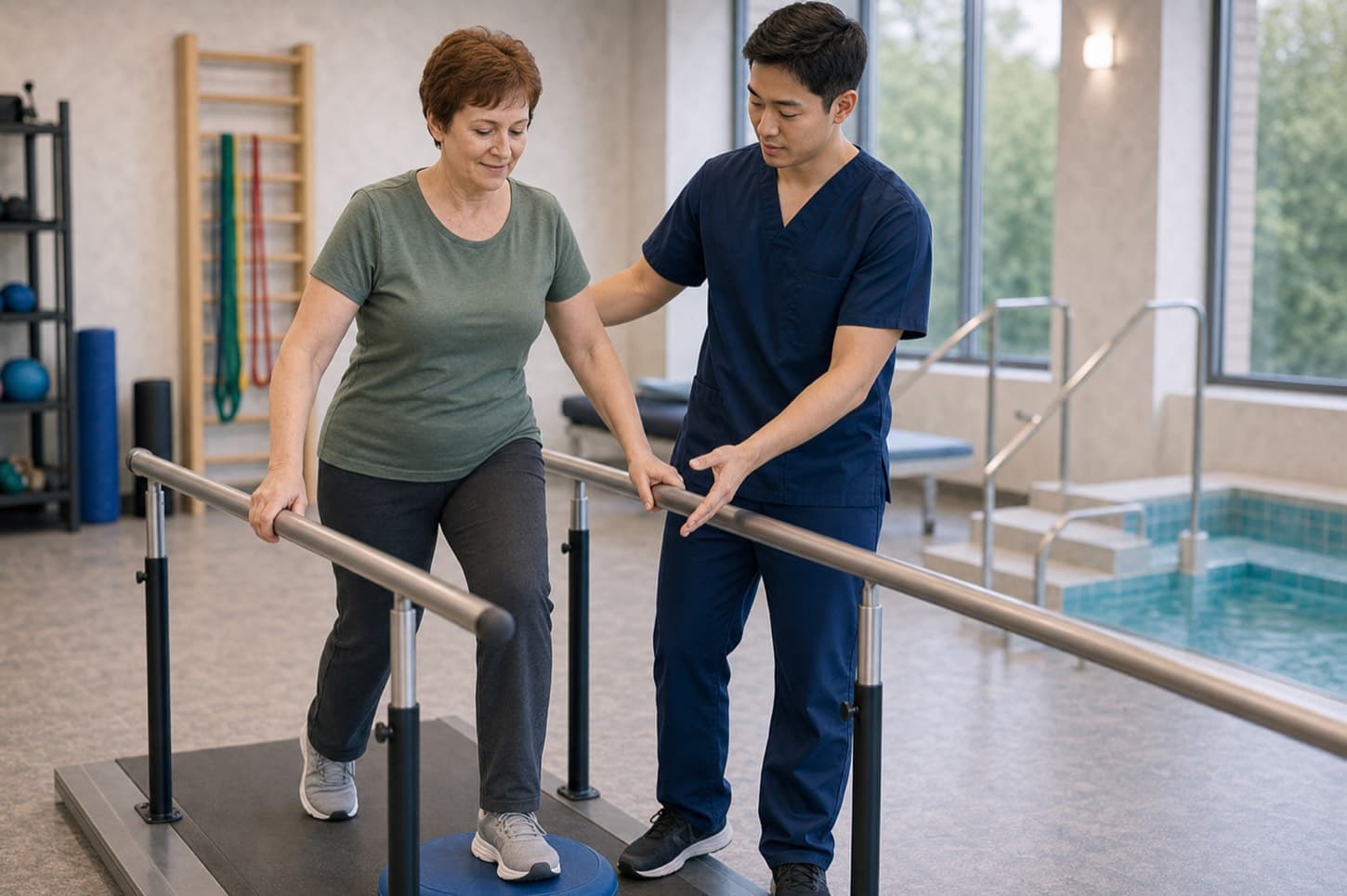
Regular, individually tailored exercise and rehabilitation can help people with MS maintain mobility and manage symptoms.
Signs and symptoms
MS symptoms differ greatly from person to person and may come and go. Common features include:
- Fatigue that is often disproportionate to activity
- Muscle weakness, stiffness or spasticity
- Problems with balance, coordination and walking
- Numbness, tingling or altered sensation
- Vision disturbances and dizziness
- Bladder, bowel or cognitive changes
How rehabilitation helps
Guideline bodies including NICE (multiple sclerosis guideline NG220) and the MS Society support regular, supervised exercise and physiotherapy to help people with MS maintain mobility, strength and balance and to manage symptoms such as spasticity and fatigue. World Physiotherapy emphasises individually tailored programmes that match each person's abilities and goals.
A multidisciplinary team helps people pace activity, build strength and stamina safely, and adapt as the condition changes. Rehabilitation also includes education on managing fatigue and energy, so people can stay active without overexertion.
The IMT thermal approach
Water-based exercise can be a comfortable, supportive medium for people with MS, as buoyancy reduces fall risk and joint load and makes balance, gait and strengthening practice easier. Importantly, many people with MS are heat sensitive, and a rise in body temperature can temporarily worsen symptoms (Uhthoff's phenomenon). For this reason our water temperature is kept comfortable and moderate, and sessions are carefully tailored and monitored.
Aquatic therapy is one part of a broader plan delivered by our multidisciplinary team, alongside conventional rehabilitation and fatigue management. On-site accommodation lets patients take part in a steady, well-paced programme and rest as needed, which suits the variable energy levels common in MS.
Comfort and heat awareness
Water temperature is kept moderate to respect MS heat sensitivity, while buoyancy supports safer balance and gait practice.
What to expect
Care begins with a thorough assessment of your symptoms, mobility, fatigue patterns and goals, followed by an individualised plan that paces activity carefully. Warm-water sessions are kept at a comfortable temperature, and staying on site allows a flexible, well-rested rehabilitation journey adapted to how you feel each day.
- Individual assessment of mobility, balance and fatigue
- Tailored strengthening, balance and walking practice
- Moderate-temperature water exercise mindful of heat sensitivity
- Energy and fatigue-management strategies
- Regular reviews to adapt the programme over time
When to seek care
If you have unexplained neurological symptoms such as persistent numbness, weakness or vision changes, see a healthcare professional for assessment. People with diagnosed MS should seek prompt medical advice during a suspected relapse or if symptoms change significantly, and urgent care for sudden severe symptoms. Always plan exercise with professionals familiar with MS.
Sources
- NICE Multiple sclerosis in adults (NG220)
- MS Society
- World Physiotherapy
- Mayo Clinic
This information is educational and is not a substitute for professional medical advice, diagnosis, or treatment. Always consult a qualified healthcare provider about your individual condition.