Stroke Rehabilitation
Stroke rehabilitation helps people regain movement, balance, speech and independence after a brain injury caused by interrupted blood flow. Early, intensive, task-specific therapy supports recovery and quality of life.
What is stroke rehabilitation?
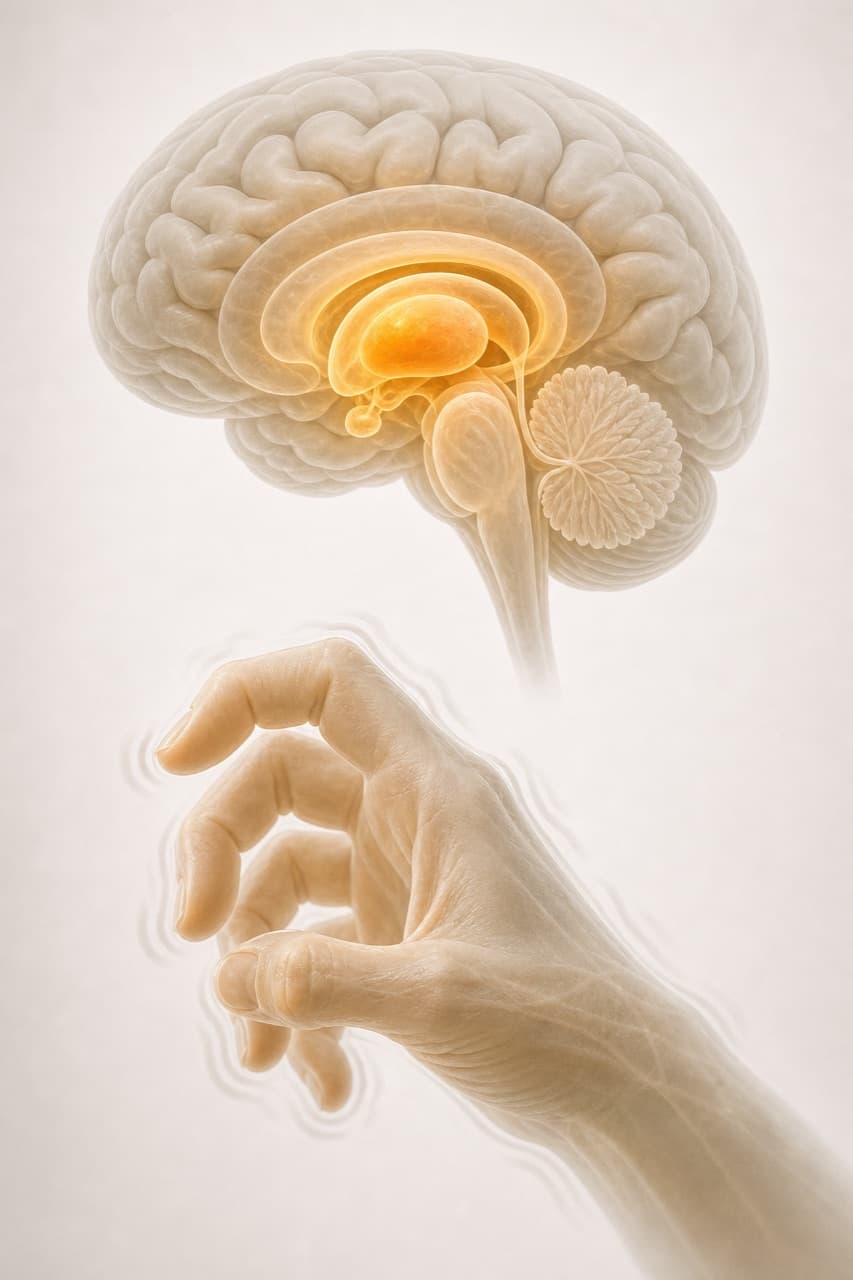
A stroke occurs when the blood supply to part of the brain is suddenly interrupted, either by a clot (ischaemic stroke) or by bleeding (haemorrhagic stroke). The affected brain cells are deprived of oxygen, which can impair movement, sensation, balance, speech, swallowing and thinking. The pattern and severity of difficulties depend on which area of the brain is involved.
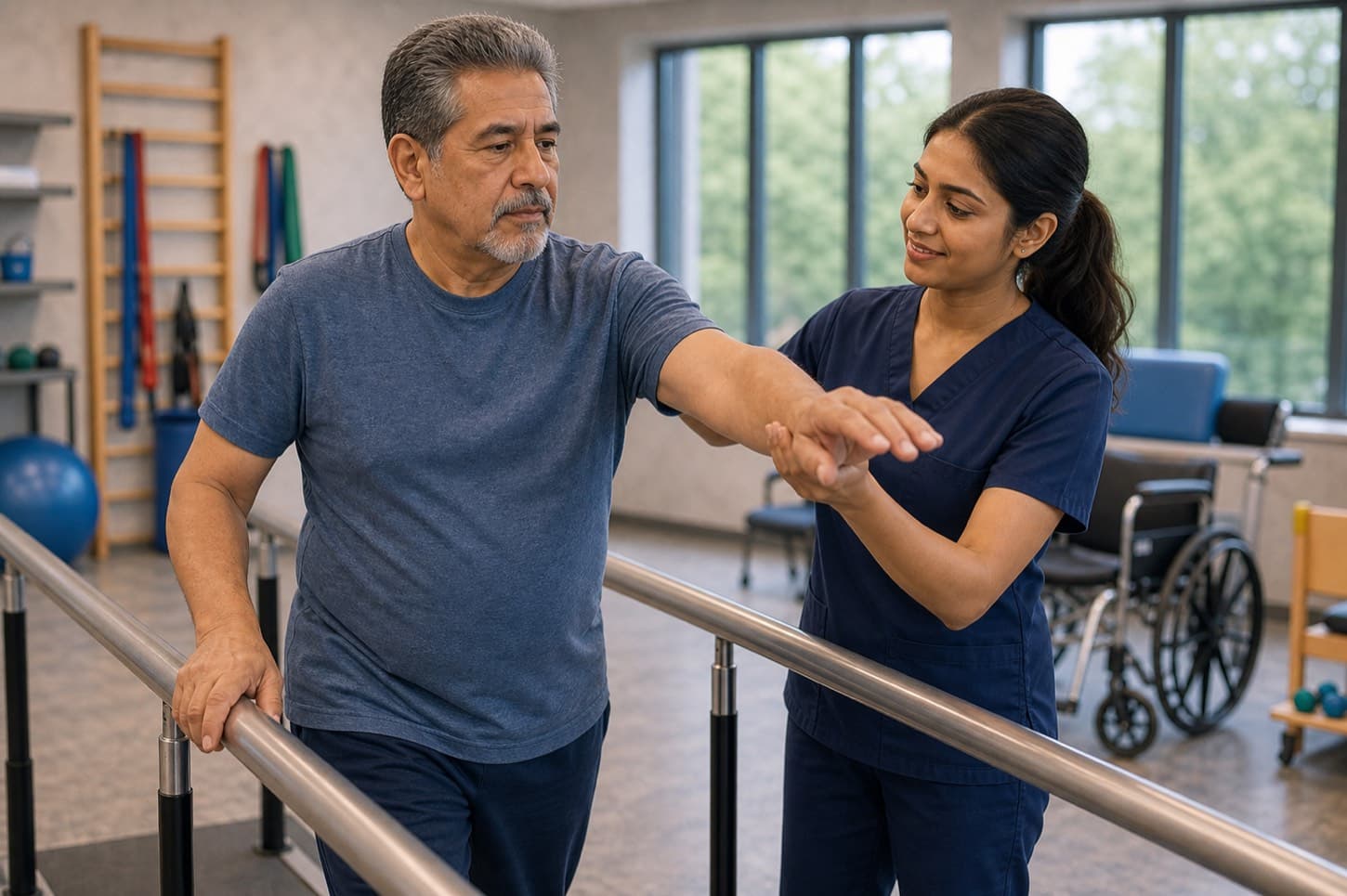
Stroke rehabilitation is the structured, multidisciplinary process of helping a person relearn skills and regain as much independence as possible. It draws on the brain's capacity for neuroplasticity, its ability to reorganise and form new connections, through repeated, purposeful practice guided by trained therapists.
Early, intensive, repetitive task-specific practice supports motor recovery after stroke.
Signs and symptoms
After a stroke, people may experience a range of physical, communication and cognitive difficulties that rehabilitation aims to address:
- Weakness or paralysis on one side of the body (hemiparesis or hemiplegia)
- Impaired balance, coordination and walking ability
- Muscle stiffness or spasticity in the affected limbs
- Difficulty speaking, understanding language or swallowing
- Reduced sensation, vision changes or neglect of one side
- Fatigue, low mood and problems with memory or concentration
How rehabilitation helps
Guideline bodies such as the World Health Organization, World Physiotherapy and the UK's NICE (stroke rehabilitation guideline NG236) recommend rehabilitation that starts early, is intensive and is tailored to each person's goals. Physiotherapists focus on repetitive, task-specific practice, retraining walking, balance, reaching and everyday movements, because frequent, meaningful repetition supports motor recovery.
Rehabilitation is most effective when delivered by a coordinated multidisciplinary team. Physiotherapy is combined with occupational therapy for daily activities, speech and language therapy for communication and swallowing, and nursing and medical care, with goals reviewed regularly as the person progresses.
The IMT thermal approach
At IMT, conventional neurorehabilitation is complemented by exercise in warm thermal water. Thermal water does not treat or modify the stroke itself, but its buoyancy reduces body weight and joint load, allowing patients to practise standing, balance and gait with less fear of falling and greater confidence than on dry land. The warmth can ease muscle stiffness and make movement more comfortable.
Aquatic sessions are integrated into a plan led by our multidisciplinary team, so water-based practice reinforces the same functional goals worked on in the gym. On-site hotel accommodation alongside our natural thermal waters allows a sustained, intensive programme without the strain of daily travel.
Why warm water helps
Buoyancy supports the body so patients can rehearse balance and walking earlier and more safely, while warmth eases spasticity and makes practice more comfortable.
What to expect
Your programme begins with a thorough assessment by our team to map your strengths, difficulties and personal goals. From this we build an individualised plan that combines land-based and aquatic therapy, with progress reviewed regularly. Staying on site within the thermal facility lets you focus fully on recovery in a calm, supportive setting.
- Comprehensive multidisciplinary assessment and goal-setting
- Daily physiotherapy with repetitive, task-specific practice
- Warm-water sessions for balance, gait and confidence
- Occupational and speech therapy as needed
- Regular reviews to adjust intensity and goals
When to seek care
A stroke is a medical emergency. If you or someone near you suddenly develops face drooping, arm weakness or slurred speech, call emergency services immediately, as fast treatment saves brain tissue. For rehabilitation after a stroke has been stabilised, work with qualified healthcare professionals to design a programme suited to your needs, and seek prompt medical advice if symptoms worsen or new ones appear.
Sources
- World Health Organization (WHO)
- NICE Stroke rehabilitation in adults (NG236)
- American Stroke Association
- World Physiotherapy
This information is educational and is not a substitute for professional medical advice, diagnosis, or treatment. Always consult a qualified healthcare provider about your individual condition.