Joint Prosthesis Rehabilitation (Hip & Knee)
Rehabilitation after hip or knee replacement helps restore movement, strength and confidence. Guided exercise and warm-water therapy support comfortable, reduced-load mobilisation through recovery.
What is joint prosthesis rehabilitation?
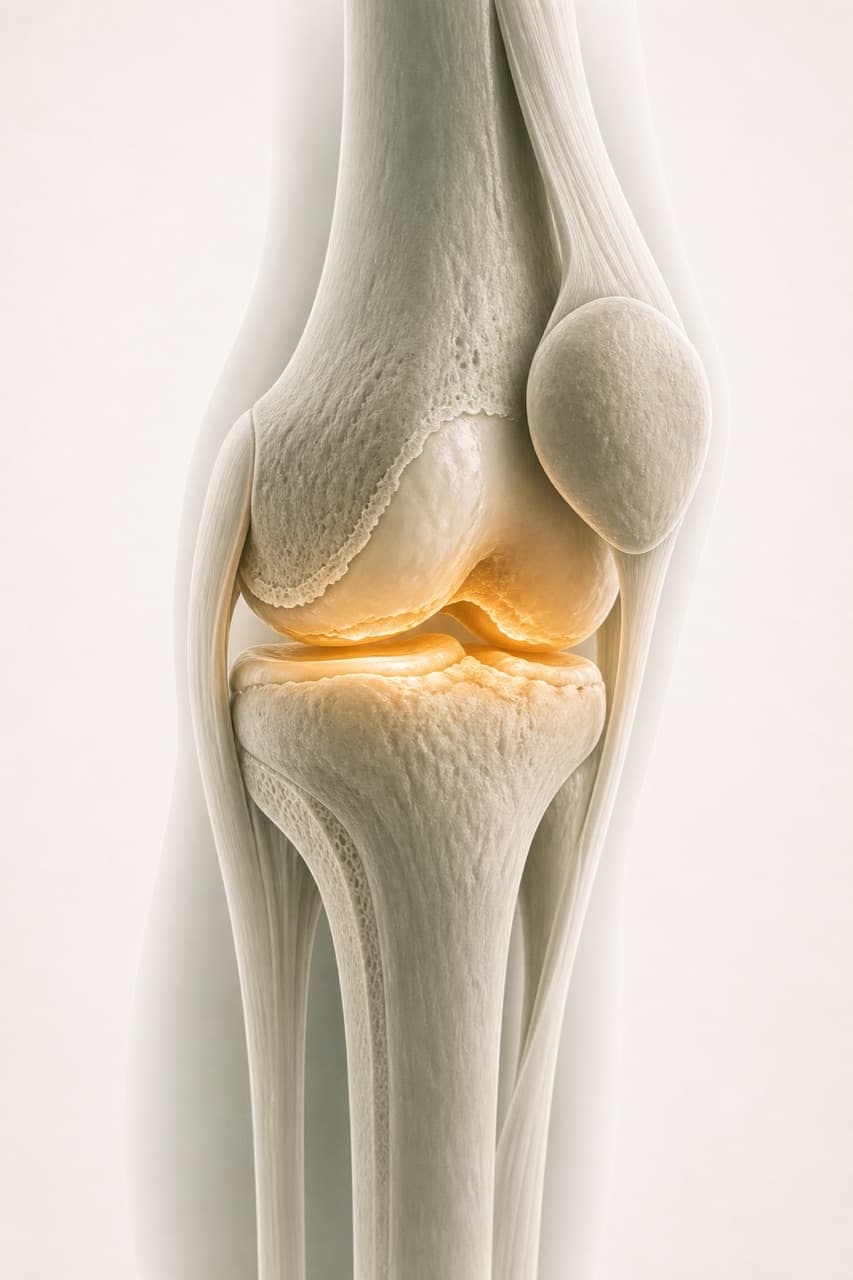
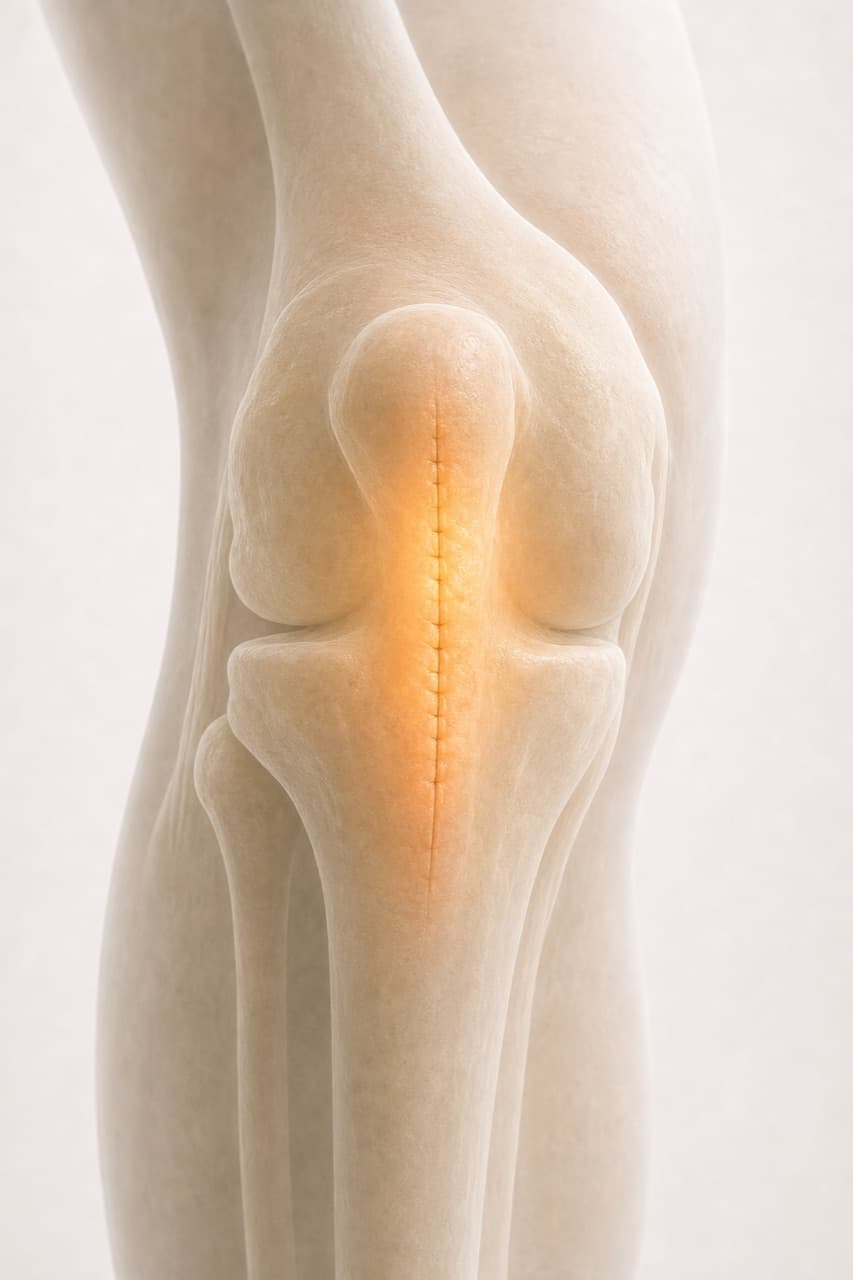
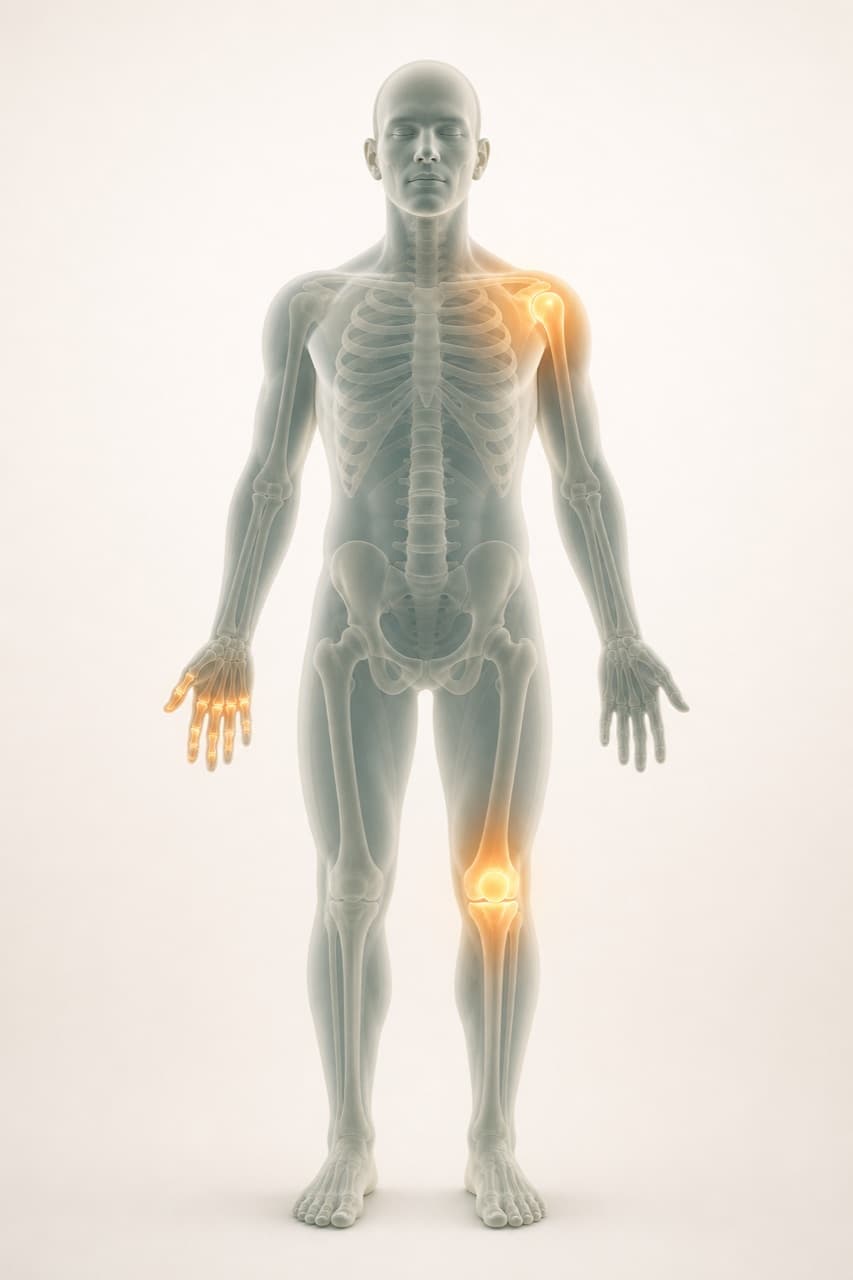
Joint prosthesis rehabilitation is the structured recovery programme that follows a hip or knee replacement. These procedures replace a worn or damaged joint, most often due to advanced osteoarthritis, with a prosthesis, and are highly effective at relieving pain and restoring mobility.
Surgery is only part of the journey; the long-term result depends heavily on rehabilitation. A well-planned programme rebuilds the muscles around the new joint, restores range of motion, retrains walking, and helps people return to daily activities safely and with confidence.
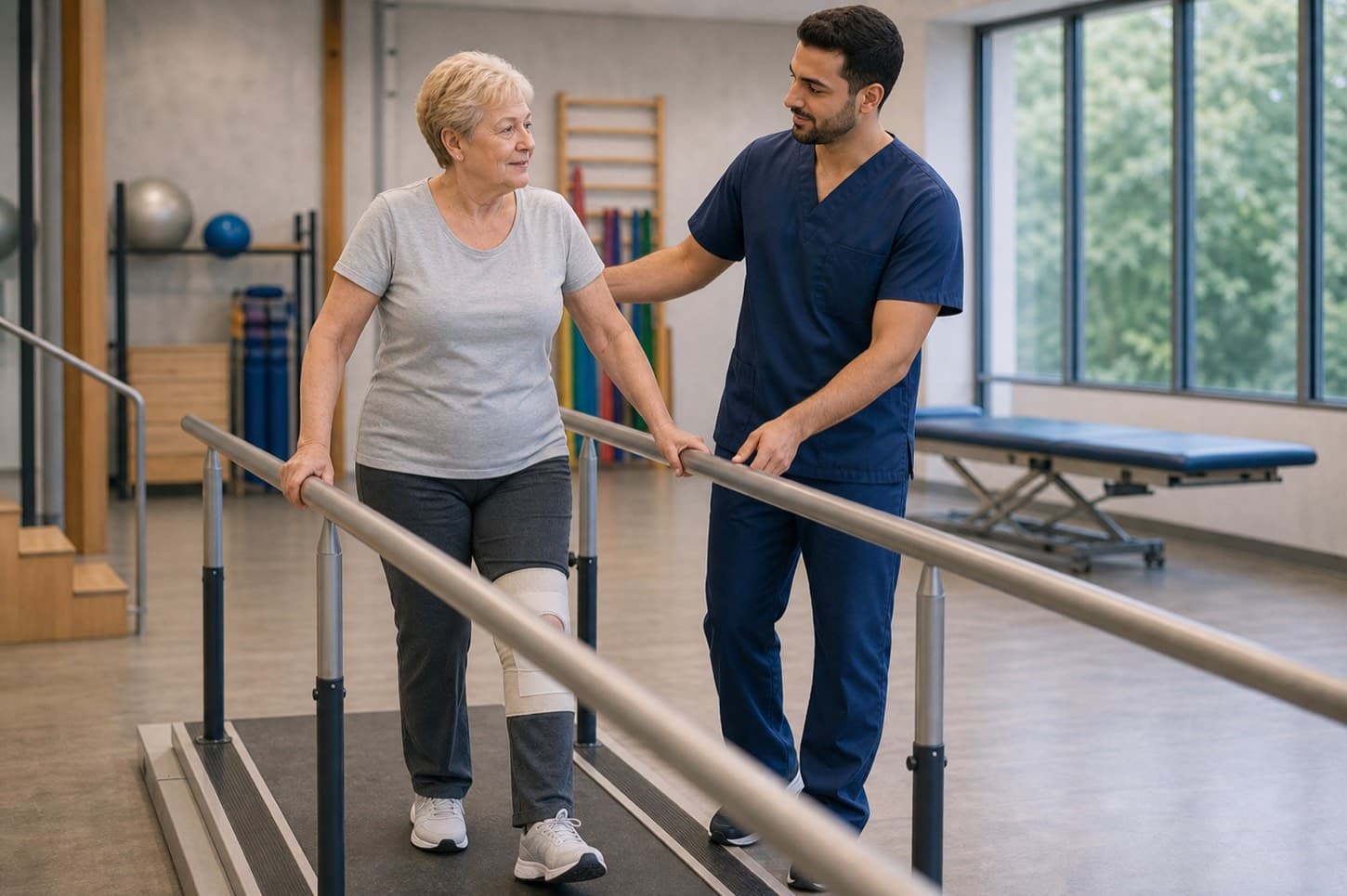
After joint replacement, early guided exercise is what turns a new joint into a confident, functional one.
Signs and symptoms
In the recovery period after a hip or knee replacement, several experiences are common and guide rehabilitation.
- Swelling, bruising and tenderness around the operated joint
- Stiffness and reduced range of motion early on
- Weakness in the surrounding muscles
- Difficulty walking, climbing stairs or standing from a chair
- Reduced confidence and altered walking patterns
- Gradual improvement in pain and function over weeks to months
How physiotherapy helps
Physiotherapy is essential after joint replacement. NICE and World Physiotherapy support structured, progressive rehabilitation to restore strength, range of motion and function, with early mobilisation encouraged following surgery. A physiotherapist guides you safely through each stage, respecting any surgical precautions for your specific prosthesis.
Rehabilitation typically progresses from gentle range-of-motion and activation exercises to strengthening, balance and gait retraining, and finally a return to everyday activities. Education on movement, swelling management and pacing helps protect the new joint and supports a durable result.
The IMT thermal approach
At Istanbul Medical Thermal, our warm thermal pools are valuable once surgical wounds have healed. Buoyancy reduces the load through the new hip or knee, allowing comfortable, reduced-load mobilisation, early gait practice and gentle strengthening that can be harder to achieve on land in the first weeks.
Our multidisciplinary team coordinates hydrotherapy with progressive land-based rehabilitation, ensuring exercises respect your surgeon's precautions. With on-site accommodation, international patients can complete an intensive, supervised recovery programme in one place, moving smoothly between the pool, the gym and rest.
REDUCED-LOAD RECOVERY
Once wounds have healed, warm water unloads the new joint, allowing comfortable early walking and strengthening before full weight-bearing practice on land.
What to expect
Rehabilitation begins with an assessment of your operated joint, strength and goals, followed by an individualized, stage-based plan that respects surgical precautions. Warm-water and land-based therapy are combined, with on-site thermal accommodation supporting an uninterrupted, supervised recovery for international guests.
- Assessment of range of motion, strength and walking
- Stage-based, precaution-aware exercise progression
- Warm-water mobilisation and gait practice once cleared
- Balance, strengthening and return-to-activity training
- Education on swelling, pacing and protecting the joint
When to seek care
Contact your surgical team or a qualified health professional promptly if you develop increasing pain, marked swelling, redness or heat around the joint, fever, wound discharge, or calf pain and swelling, as these may signal complications such as infection or a blood clot. Always follow your surgeon's specific precautions, and progress rehabilitation under professional guidance.
Sources
- NICE Guideline NG157 — Joint replacement (primary): hip, knee and shoulder
- World Physiotherapy — Rehabilitation after joint replacement
- Mayo Clinic — Hip replacement
- Mayo Clinic — Knee replacement
This information is educational and is not a substitute for professional medical advice, diagnosis, or treatment. Always consult a qualified healthcare provider about your individual condition.