Meniscus & Ligament Post-Op Rehabilitation
Rehabilitation after meniscus or knee ligament surgery rebuilds stability, strength and confidence. Discover how staged physiotherapy and warm-water hydrotherapy can support a safe return to activity.
What is meniscus and ligament rehabilitation?
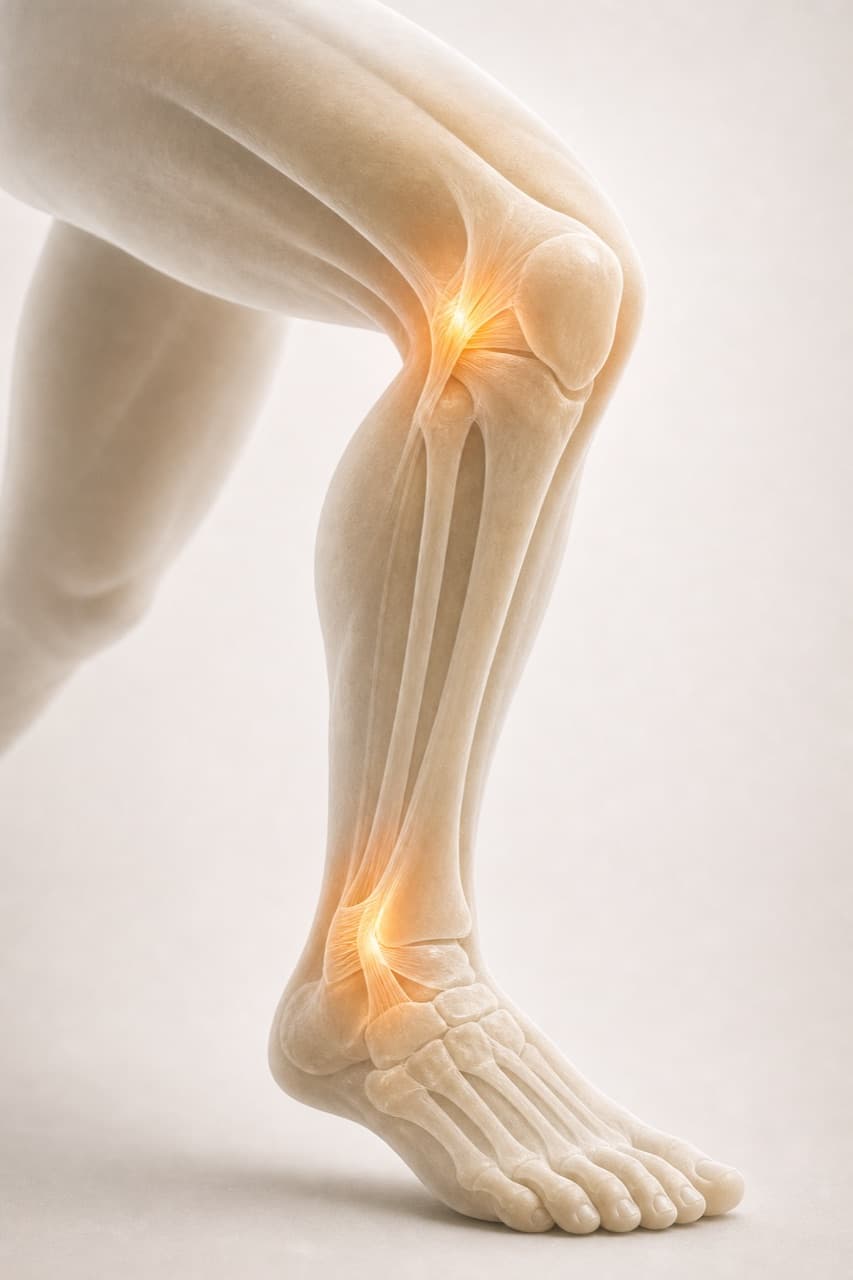
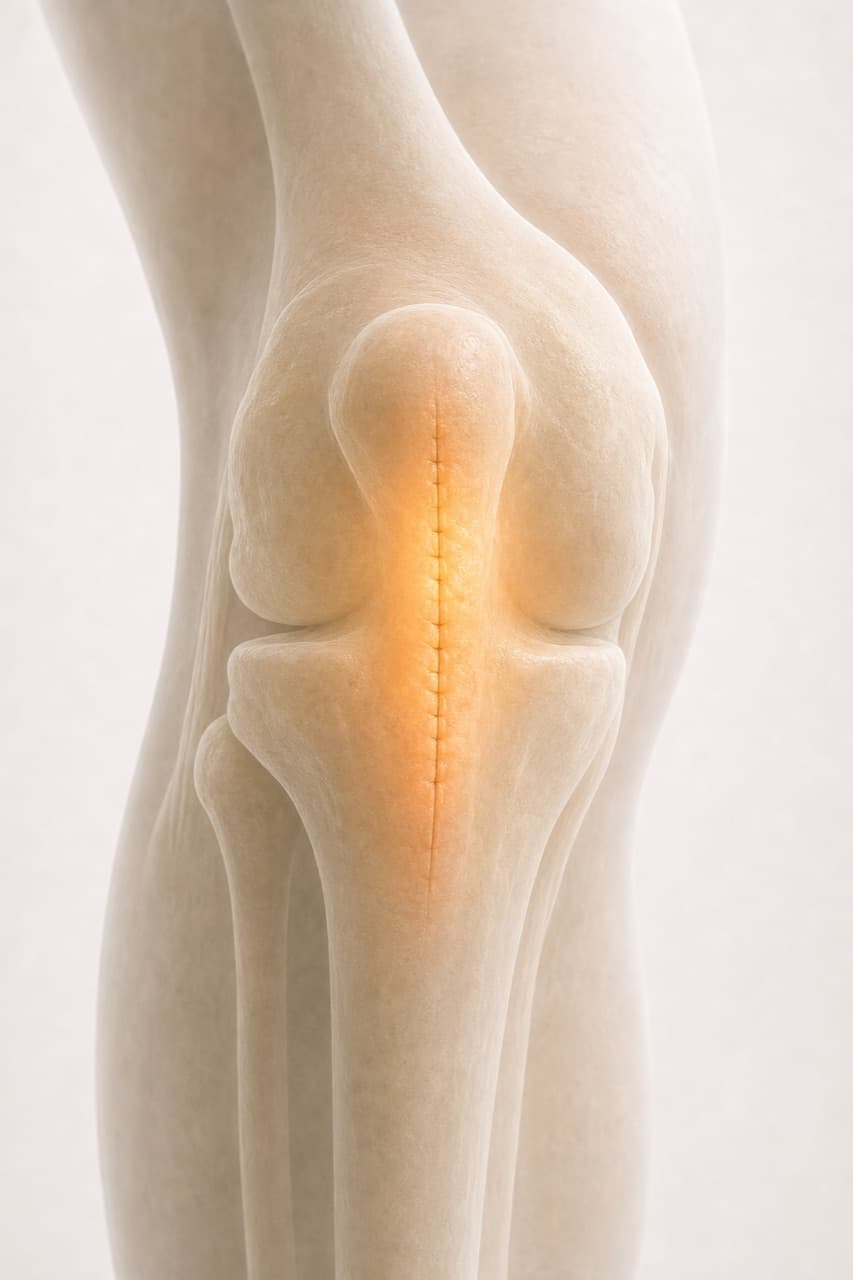
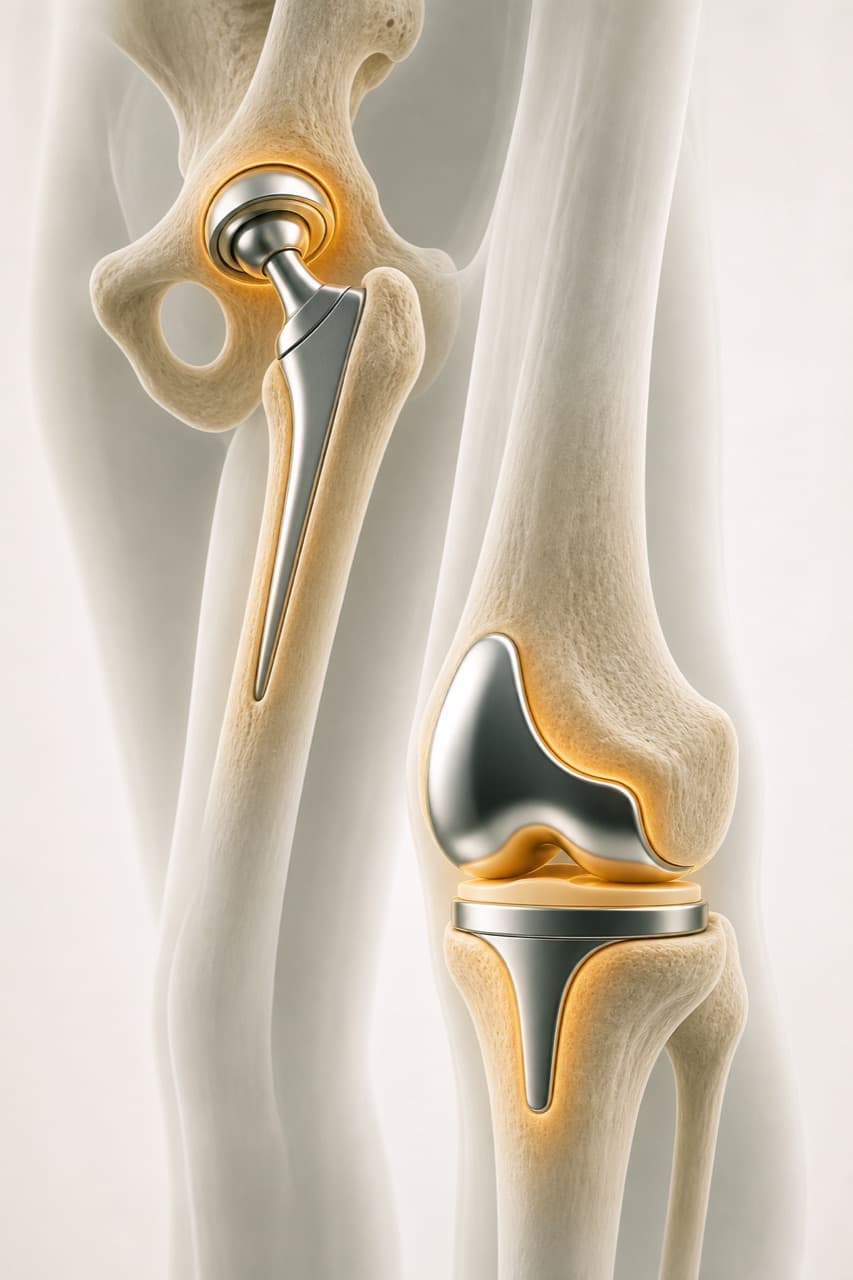
The knee relies on the menisci, two cartilage cushions, and ligaments such as the anterior cruciate ligament (ACL) for stability and shock absorption. Surgery to repair or reconstruct these structures, for example a meniscal repair or ACL reconstruction, is followed by a carefully staged rehabilitation programme.
The aim is to protect the repair while restoring full range of motion, rebuilding the strength of the quadriceps, hamstrings and hips, and progressively re-training balance, control and sport-specific movement.
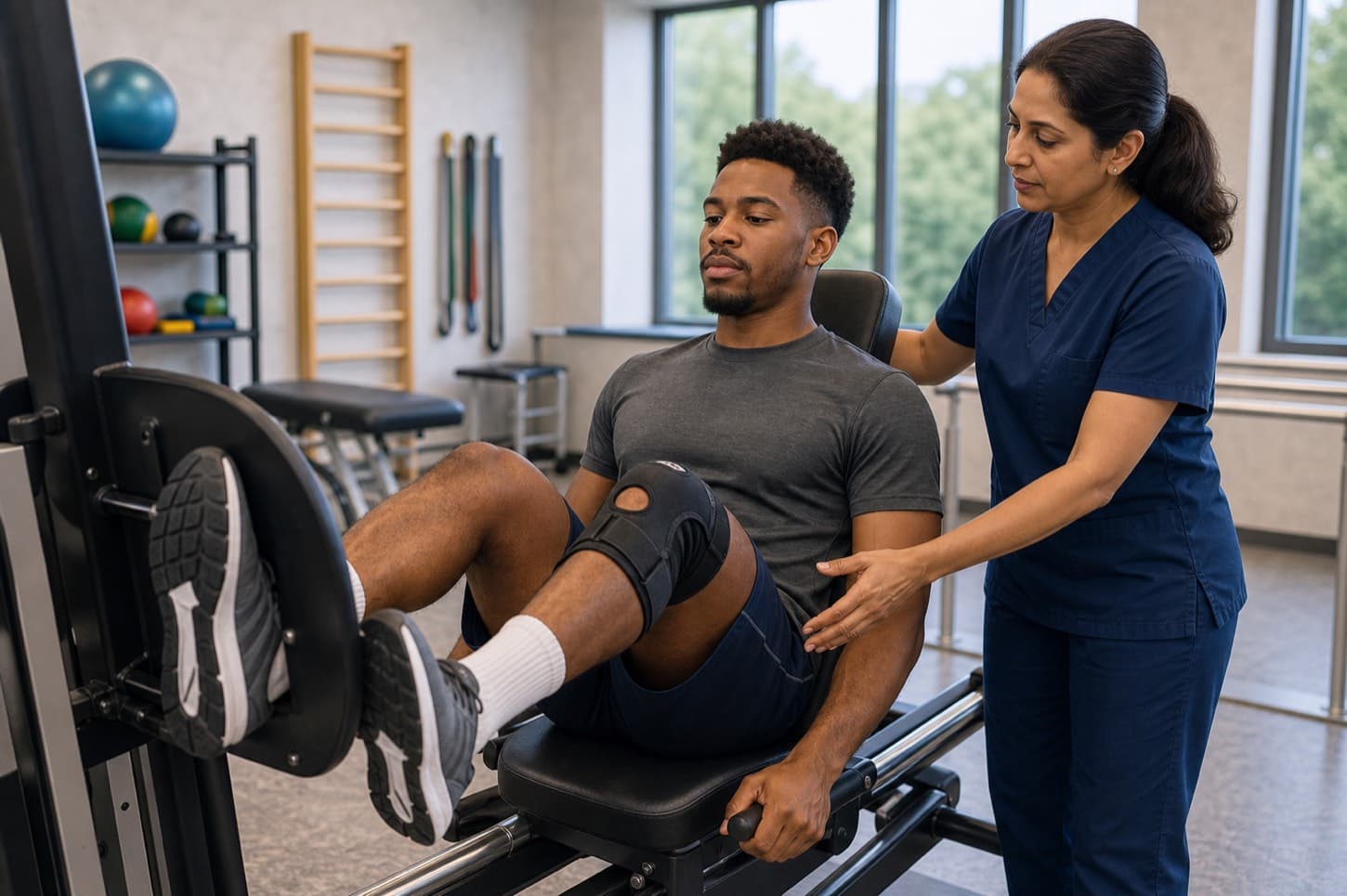
Criteria-based knee rehabilitation supports stability, strength and a safe return to sport after meniscus or ligament surgery.
Signs and challenges
Following meniscus or ligament surgery, patients commonly notice several issues that rehabilitation targets.
- Swelling and stiffness in the knee
- Limited bending or straightening of the joint
- Quadriceps and hamstring weakness
- A sense of instability or the knee giving way
- Difficulty with stairs, squatting or pivoting
- Reduced confidence in trusting the knee
How physiotherapy helps
Physiotherapy is central to knee recovery. Consensus statements in the British Journal of Sports Medicine and guidance from World Physiotherapy and the AAOS support progressive, criteria-based rehabilitation, with return-to-sport decisions guided by strength, control and functional testing rather than time alone.
A physiotherapist progresses you through restoring motion and reducing swelling, then building quadriceps and hamstring strength, neuromuscular control and, finally, agility and sport-specific drills. Each phase has clear targets that must be met before advancing, which can help reduce re-injury risk.
The IMT thermal approach
IMT's warm thermal pools are well suited to knee rehabilitation. The buoyancy of water unloads the joint, so patients can often regain range of motion, practise controlled squats and lunges, and begin strengthening with reduced load before these movements are comfortable on land.
Aquatic sessions sit within a multidisciplinary plan that includes manual therapy, land-based strength training and clinical monitoring, all coordinated with the surgical protocol. This integrated approach helps the knee progress steadily and safely.
Unloading the knee
Exercising in warm water lets you rebuild knee motion and strength with less joint load, supporting an earlier, more comfortable start to rehabilitation.
What to expect
Your programme begins with an assessment matched to your specific surgery and the surgeon's protocol, leading to an individualised, staged plan. The team combines thermal hydrotherapy with land-based rehabilitation and advances you through clear milestones. An on-site thermal stay supports focused, regular sessions and recovery.
- Assessment aligned with your meniscus or ligament procedure
- Aquatic therapy for early motion and reduced-load strengthening
- Progressive quadriceps, hamstring and hip strengthening
- Neuromuscular control, balance and agility training
- Functional and return-to-sport testing before clearance
When to seek care
Follow your surgeon's protocol closely and keep scheduled follow-ups. Seek medical advice if you develop marked swelling, locking or catching of the knee, increasing instability, calf pain or swelling, fever, or pain that worsens rather than improves, as these may need assessment before you continue rehabilitation.
Sources
- British Journal of Sports Medicine (ACL and return-to-sport consensus statements)
- American Academy of Orthopaedic Surgeons (AAOS)
- World Physiotherapy (WCPT)
- Cochrane (rehabilitation reviews)
This information is educational and is not a substitute for professional medical advice, diagnosis, or treatment. Always consult a qualified healthcare provider about your individual condition.