Sports Injuries
A practical guide to common sports injuries and how progressive, criteria-based physiotherapy, supported by warm thermal-water hydrotherapy, can help athletes recover and return to activity safely.
What are sports injuries?
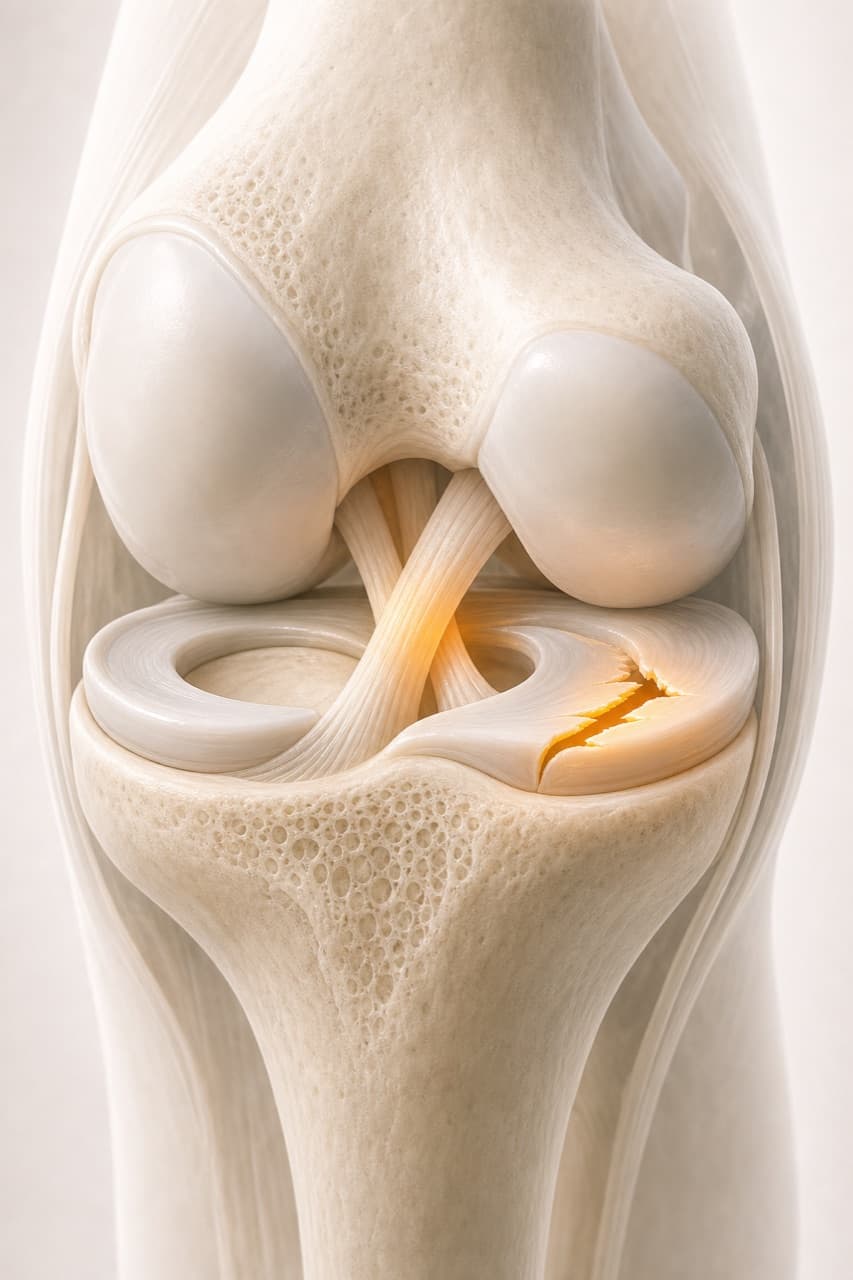
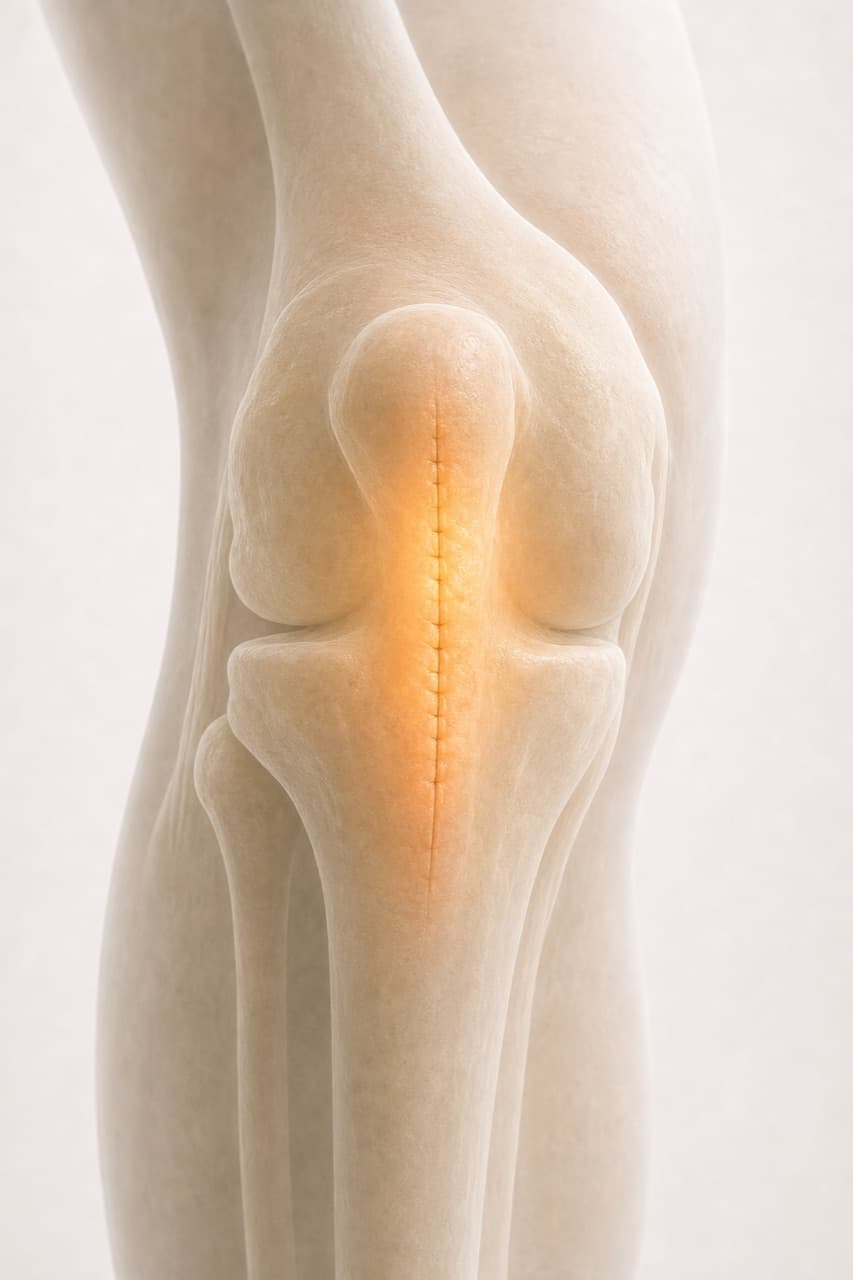
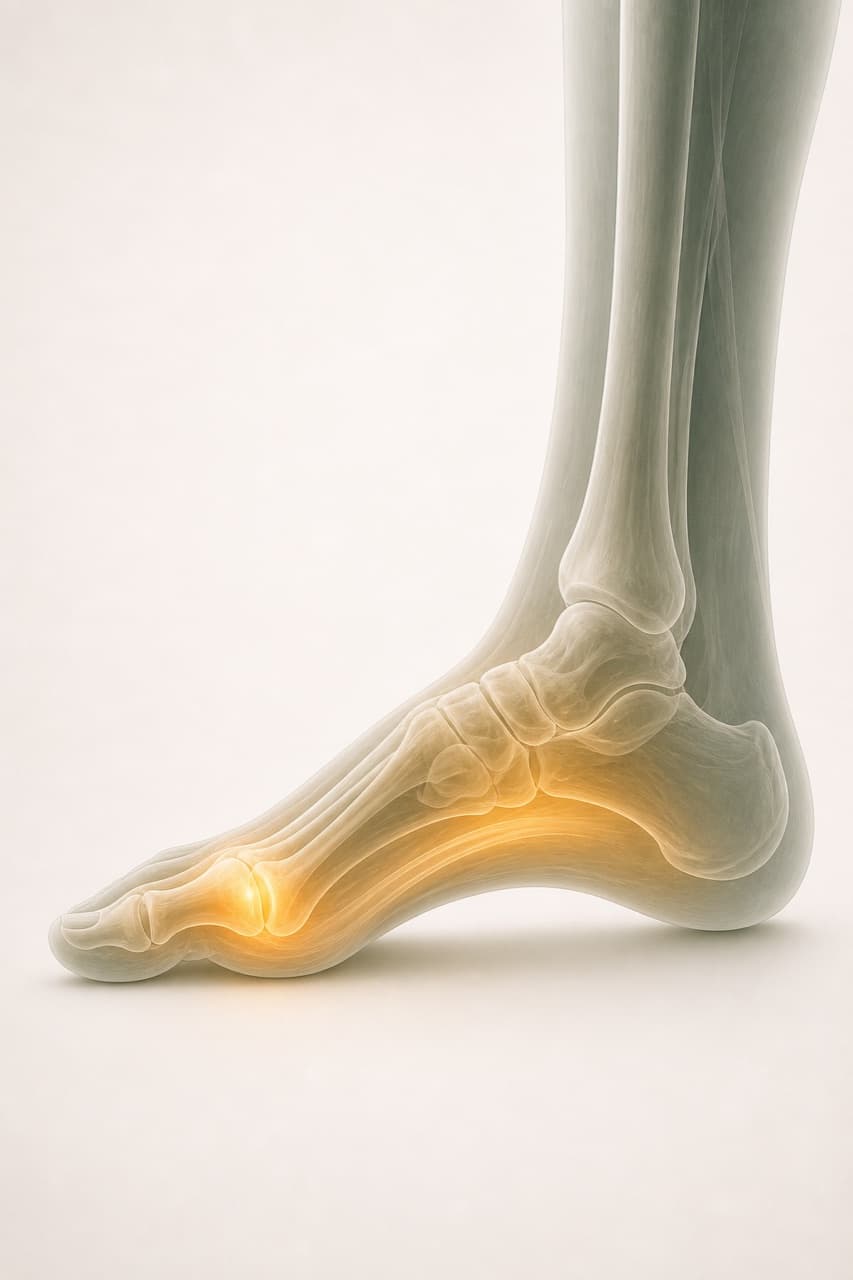
Sports injuries are tissue injuries that occur during exercise, training or competition. They range from sudden (acute) events such as a hamstring tear or ankle sprain to gradual overuse problems like tendinopathy and stress reactions that build up over time.
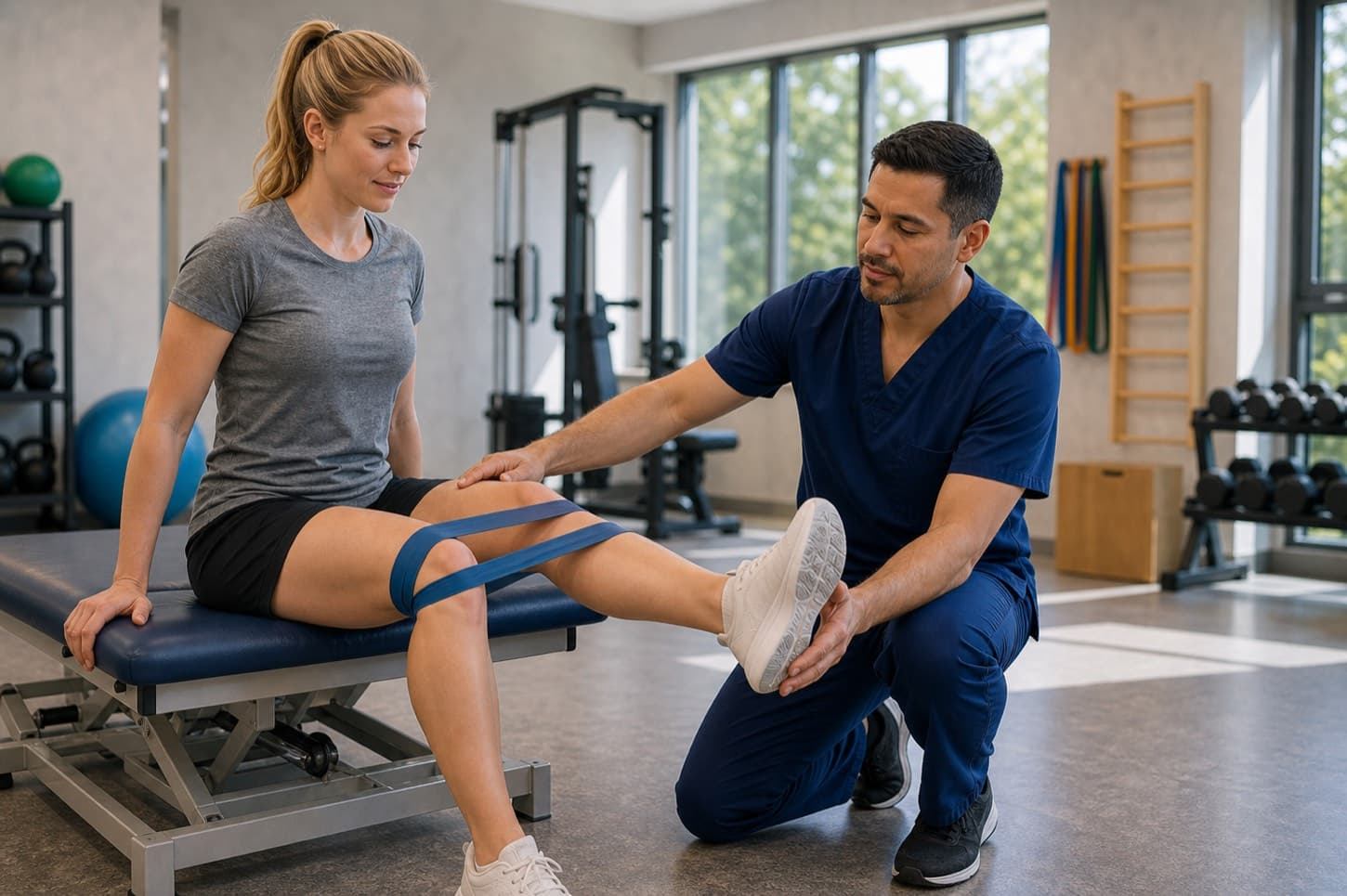
Whatever the sport, the goal of recovery is the same: calm symptoms, restore movement and strength, and rebuild the tolerance the tissue needs to handle sport-specific loads again. A structured rehabilitation plan helps reduce the risk of re-injury.
Progressive, criteria-based rehabilitation supports a safe and confident return to sport.
Common injuries and signs
Symptoms vary with the tissue involved, but several patterns are typical across sporting injuries.
- Muscle strains, often in the hamstrings, calf or groin
- Ligament sprains, most commonly at the ankle and knee
- Tendon overuse problems such as Achilles or patellar tendinopathy
- Pain, swelling and bruising around the affected area
- Reduced range of motion, stiffness or a feeling of instability
- Weakness or pain that worsens with sport-specific movements
How physiotherapy helps
Physiotherapy is a cornerstone of sports injury management. In line with British Journal of Sports Medicine consensus statements and World Physiotherapy guidance, modern rehabilitation emphasises early protected movement, graded loading and a criteria-based progression rather than open-ended rest.
A physiotherapist assesses the injured tissue and surrounding chain, then builds a plan that progresses from pain and swelling control to range of motion, strength, power and finally sport-specific drills. Meeting clear milestones at each stage helps support a safe return and may lower re-injury risk.
The IMT thermal approach
At IMT, warm thermal-water pools add a valuable dimension to early rehabilitation. The buoyancy of water reduces load on injured joints and soft tissue, allowing many patients to begin guided movement, range-of-motion work and gentle strengthening before they can tolerate the same exercises on land.
Aquatic sessions are integrated into a wider plan led by a multidisciplinary team of physiotherapists and clinicians. Hydrotherapy complements land-based training, manual therapy and strength work so the programme can advance steadily and safely.
Reduced-load mobilisation
Working in warm thermal water lets athletes practise movement and early strengthening with less impact, helping them stay active while tissue heals.
What to expect
Your journey begins with a thorough assessment of the injury, your sport and your goals. From there the team designs an individualised, staged plan, combining thermal hydrotherapy with land-based rehabilitation, and adjusts it as you progress. An on-site thermal stay allows focused, consistent sessions away from daily disruptions.
- Detailed assessment of the injury and movement patterns
- Aquatic therapy in warm thermal pools for early, low-load work
- Progressive land-based strength and conditioning
- Sport-specific drills and return-to-play milestones
- Education on load management and injury prevention
When to seek care
Seek a qualified professional if you have significant swelling, you cannot bear weight or use the limb normally, the joint feels unstable, or pain does not settle within a few days. Sudden severe pain, deformity or a snapping sensation at the time of injury warrant prompt medical assessment to rule out serious damage before starting rehabilitation.
Sources
- British Journal of Sports Medicine (return-to-sport consensus statements)
- World Physiotherapy (WCPT)
- American Academy of Orthopaedic Surgeons (AAOS)
- Mayo Clinic
This information is educational and is not a substitute for professional medical advice, diagnosis, or treatment. Always consult a qualified healthcare provider about your individual condition.