Parkinson's Disease
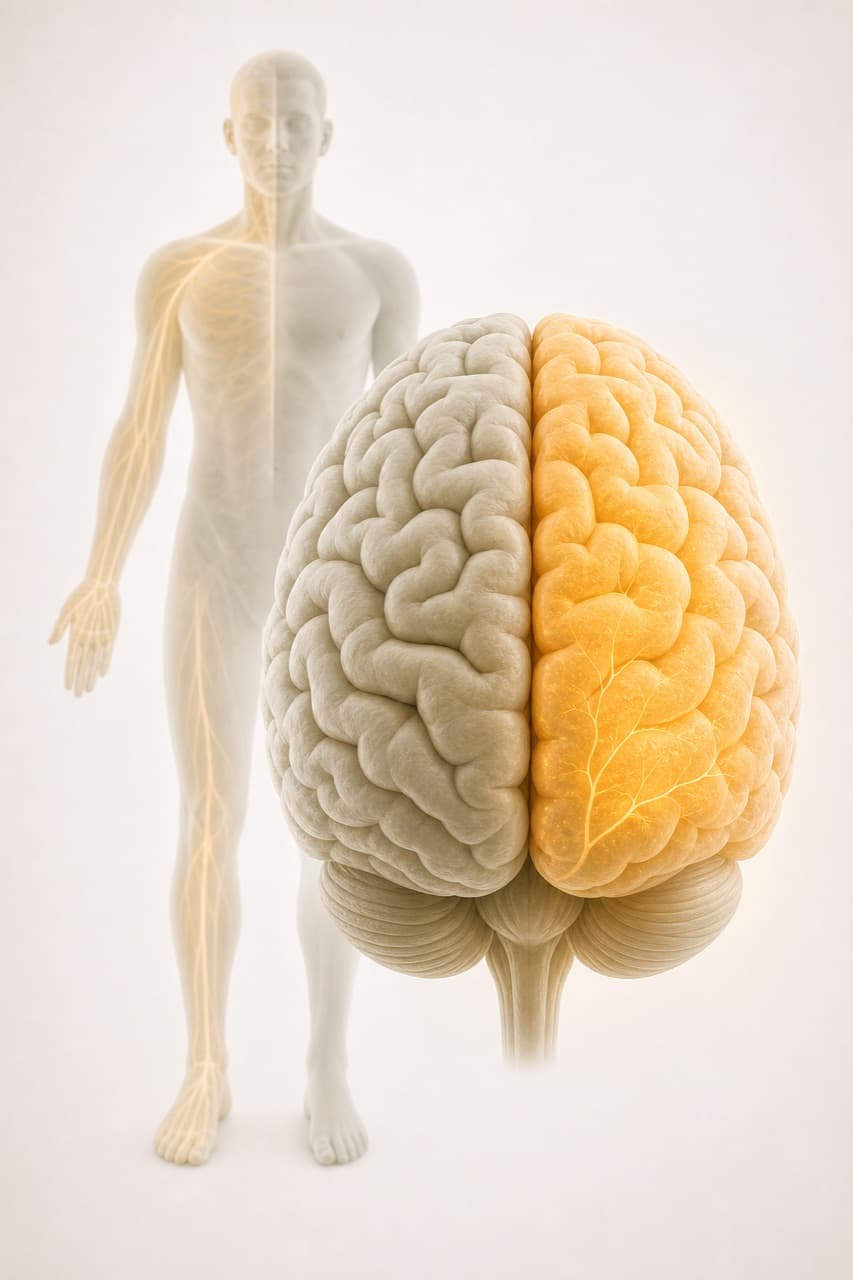
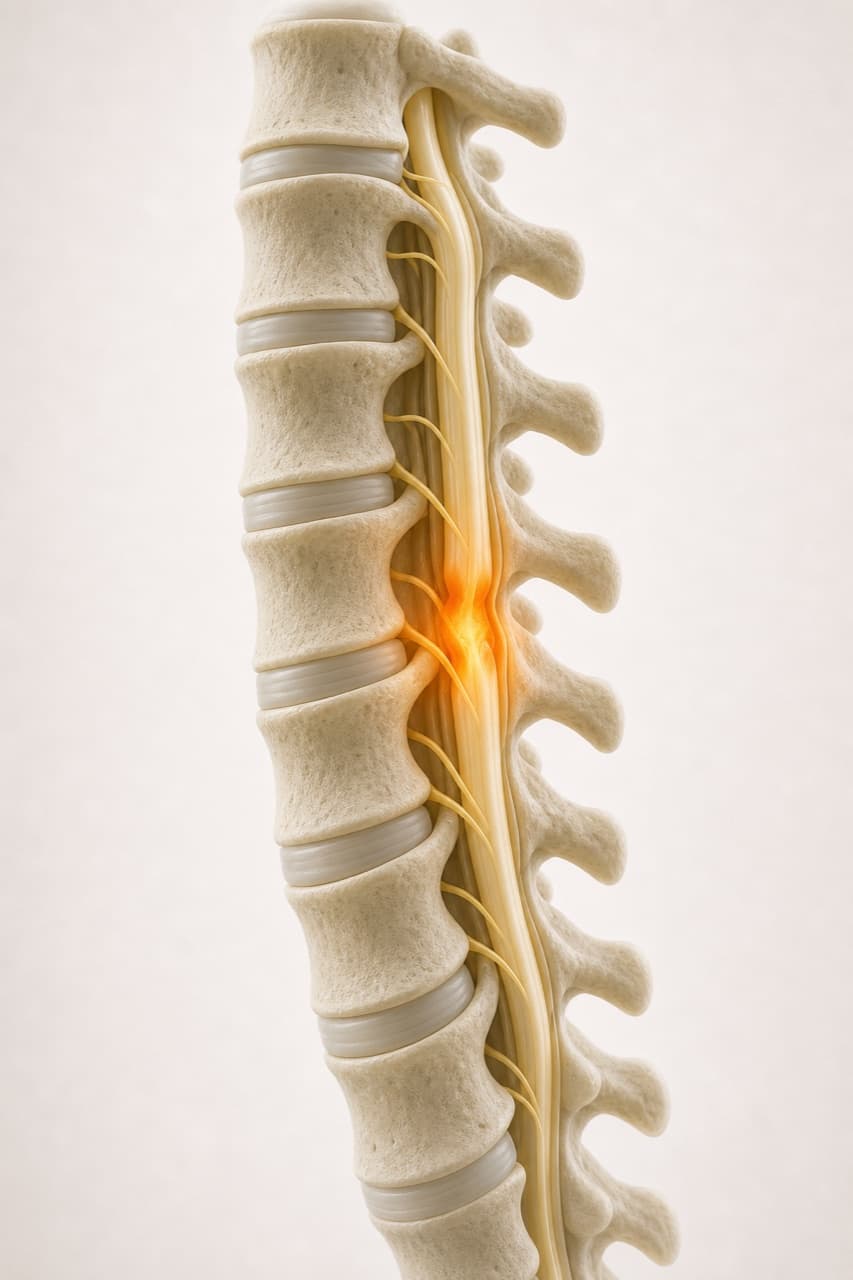
Parkinson's disease is a progressive neurological condition affecting movement. Regular physiotherapy and targeted exercise can help maintain mobility, balance and independence and reduce fall risk.
What is Parkinson's disease?
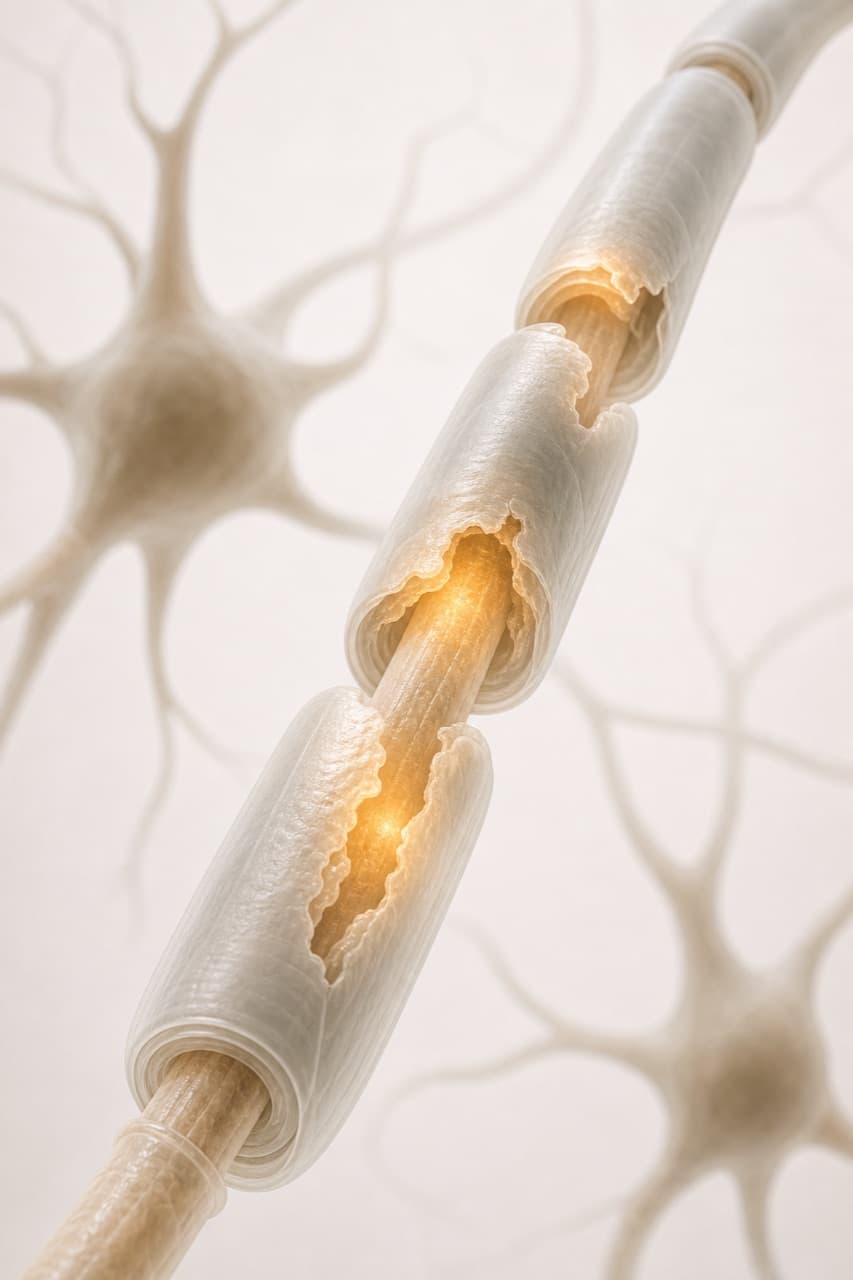
Parkinson's disease is a progressive neurological condition caused by the gradual loss of nerve cells that produce dopamine, a chemical messenger important for smooth, controlled movement. As dopamine levels fall, people may develop tremor, slowness, stiffness and balance problems, which tend to advance slowly over time.
While there is no cure, symptoms can often be managed effectively with a combination of medication, exercise and rehabilitation. Staying physically active is widely recognised as an important part of living well with Parkinson's, helping people maintain mobility and independence.
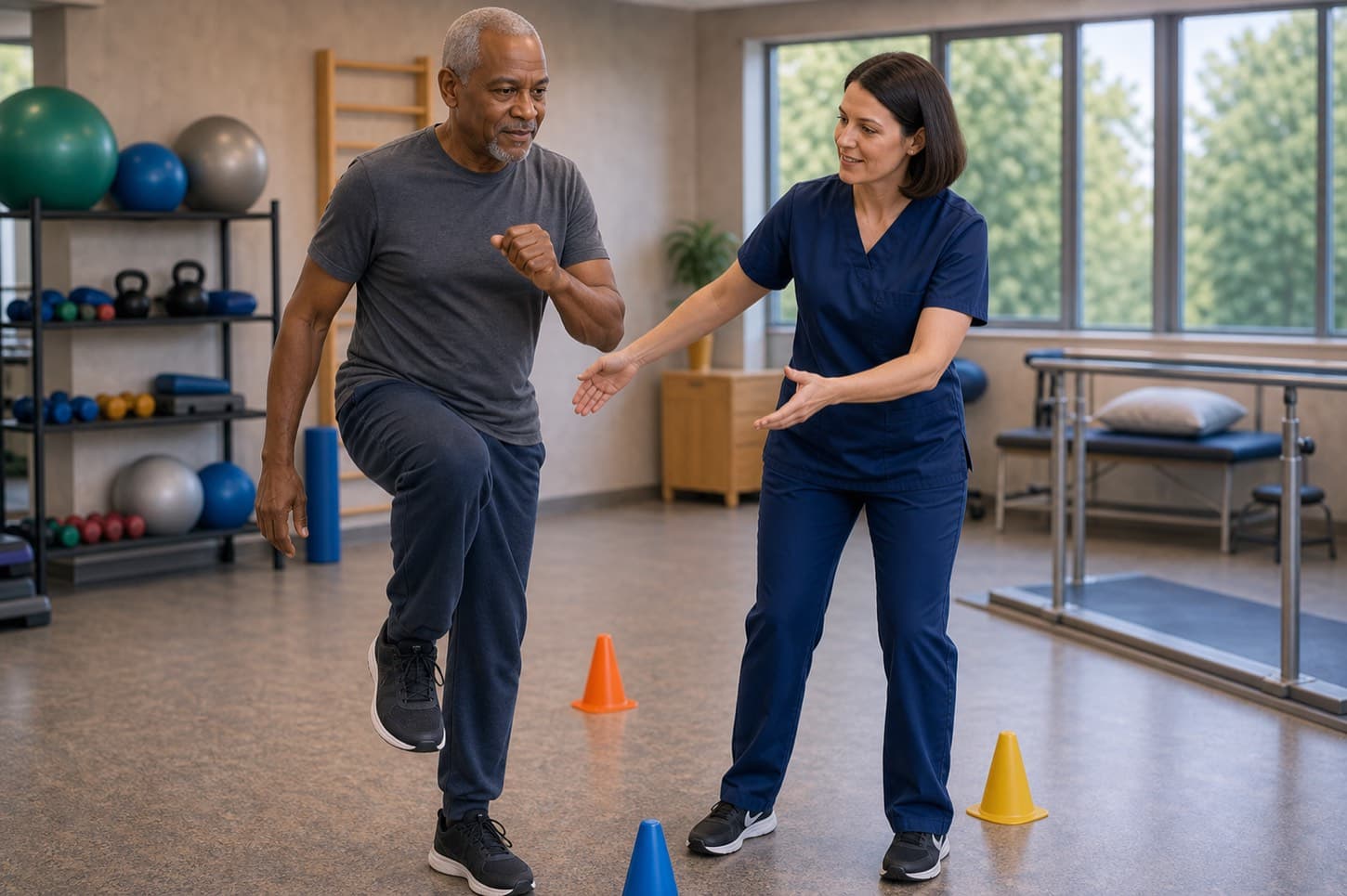
Regular, targeted exercise and physiotherapy are recommended to help maintain mobility and reduce falls in Parkinson's disease.
Signs and symptoms
Parkinson's affects people differently, and symptoms usually develop gradually. They commonly include:
- Tremor, often starting in a hand or arm at rest
- Slowness of movement (bradykinesia)
- Muscle stiffness and rigidity
- Impaired balance and a tendency to fall
- Reduced, shuffling or freezing gait
- Changes in posture, handwriting, speech and facial expression
How rehabilitation helps
Guideline bodies including NICE (Parkinson's disease guideline NG71) and the Parkinson's Foundation recommend regular physiotherapy and exercise to help maintain mobility, balance and strength and to reduce the risk of falls. World Physiotherapy supports targeted approaches such as gait training, large-amplitude movement practice and cueing strategies for freezing.
A multidisciplinary team tailors rehabilitation to each person's stage and goals, and may include occupational and speech therapy. Therapy works best alongside medical management, with programmes reviewed and adjusted as the condition progresses.
The IMT thermal approach
Exercising in our natural warm thermal water offers a supportive setting for people with Parkinson's. Buoyancy reduces fall risk and joint load, giving patients the confidence to practise balance, walking and large, deliberate movements that can be harder on land. The warmth can also ease stiffness and rigidity, making movement feel smoother and more comfortable.
Water-based work complements, and does not replace, conventional Parkinson's rehabilitation and medical care led by our multidisciplinary team. On-site accommodation beside the thermal baths supports a sustained, intensive programme, with comfortable rest between sessions.
Confidence in motion
Buoyancy lowers fall risk so patients can practise balance and bigger, freer movements, while warmth helps relieve stiffness and rigidity.
What to expect
We begin with a detailed assessment of your movement, balance, gait and goals, then build an individualised plan combining land-based and warm-water therapy. Progress is reviewed regularly to match your needs, and staying on site within the thermal facility supports a focused, intensive rehabilitation journey.
- Assessment of movement, balance, gait and posture
- Gait training and large-amplitude movement practice
- Warm-water exercise for balance and confidence
- Cueing strategies and falls-prevention work
- Regular reviews to adapt the programme over time
When to seek care
If you notice persistent tremor, slowness, stiffness or balance problems, see a healthcare professional for assessment and diagnosis. People with Parkinson's should seek medical advice if symptoms change noticeably, if falls become frequent, or before starting a new exercise programme, and urgent care for sudden severe changes. Rehabilitation should be guided by professionals experienced in Parkinson's.
Sources
- NICE Parkinson's disease in adults (NG71)
- Parkinson's Foundation
- World Physiotherapy
- Mayo Clinic
This information is educational and is not a substitute for professional medical advice, diagnosis, or treatment. Always consult a qualified healthcare provider about your individual condition.